

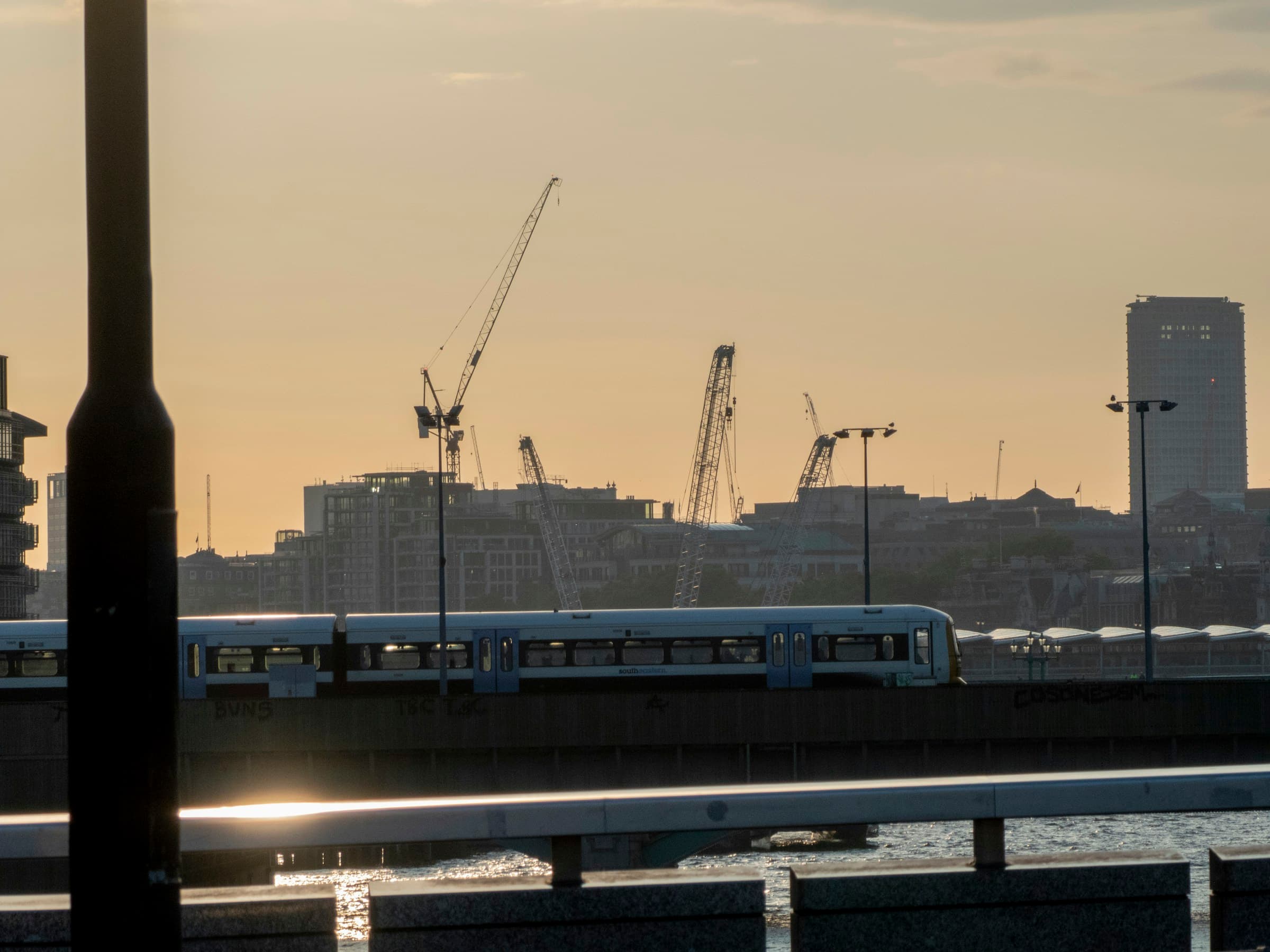
When the lift
can't fail.
Lift planning · Engineered lift plans for Canada
Engineered lift plans for the operations where there is no margin for error. Load-path-first methodology, contingency-mapped, sealed by a licensed OIQ engineer. Single pick, multi-crane tandem, complex rigging — same standard, every time.
Z-150
Quebec lift-plan code applied to every engagement
ASME B30.5
Mobile crane standard, methodology-grade
24h
Same-day emergency lift plans across Quebec & Ontario
0
Lift plans shipped without peer review
Load-path-first. Documented end-to-end.
Every lift plan starts with the load — what it weighs, where its center of gravity sits, how it must travel from pickup to set. From there, crane selection, rigging, and contingency mapping fall into place. The methodology is sector-agnostic, the application is operation-specific, the rigor never bends.
Load case
Weight, center of gravity, attachment points, lift duration, environmental envelope. Captured from your engineering drawings or measured on-site when drawings don't exist.
Load-path topology
Pickup radius, set radius, swing arc, obstruction map. Plotted in 2D and modeled in CRANEbee® for any tandem or multi-crane operation before field execution.
Crane selection
Crane class, boom length, jib configuration, counterweight, outrigger footprint. Cross-referenced against published load charts and the operation's geometry. Capacity utilization documented per pick.
Rigging plan
Slings, shackles, spreader bars, lift points. Each component sized for the load + safety factor. Inspection certificates verified. Rigging-team brief written into the plan.
Contingency matrix
Wind speed limits, load-shift scenarios, equipment partial-failure responses, emergency lower procedures. Documented per pick — not improvised in the field.
Sealed deliverable
Plan view, elevation view, capacity tables, notes, signatures. Sealed by a licensed OIQ engineer. Delivered before mobilization — never as an afterthought.
Every lift plan we ship. The same structure.
What lands in your hands isn't a sketch with hand-waving. It's a documented engineering artifact — every parameter sourced, every assumption stated, every contingency mapped. The level of detail below isn't optional ; it's the minimum.
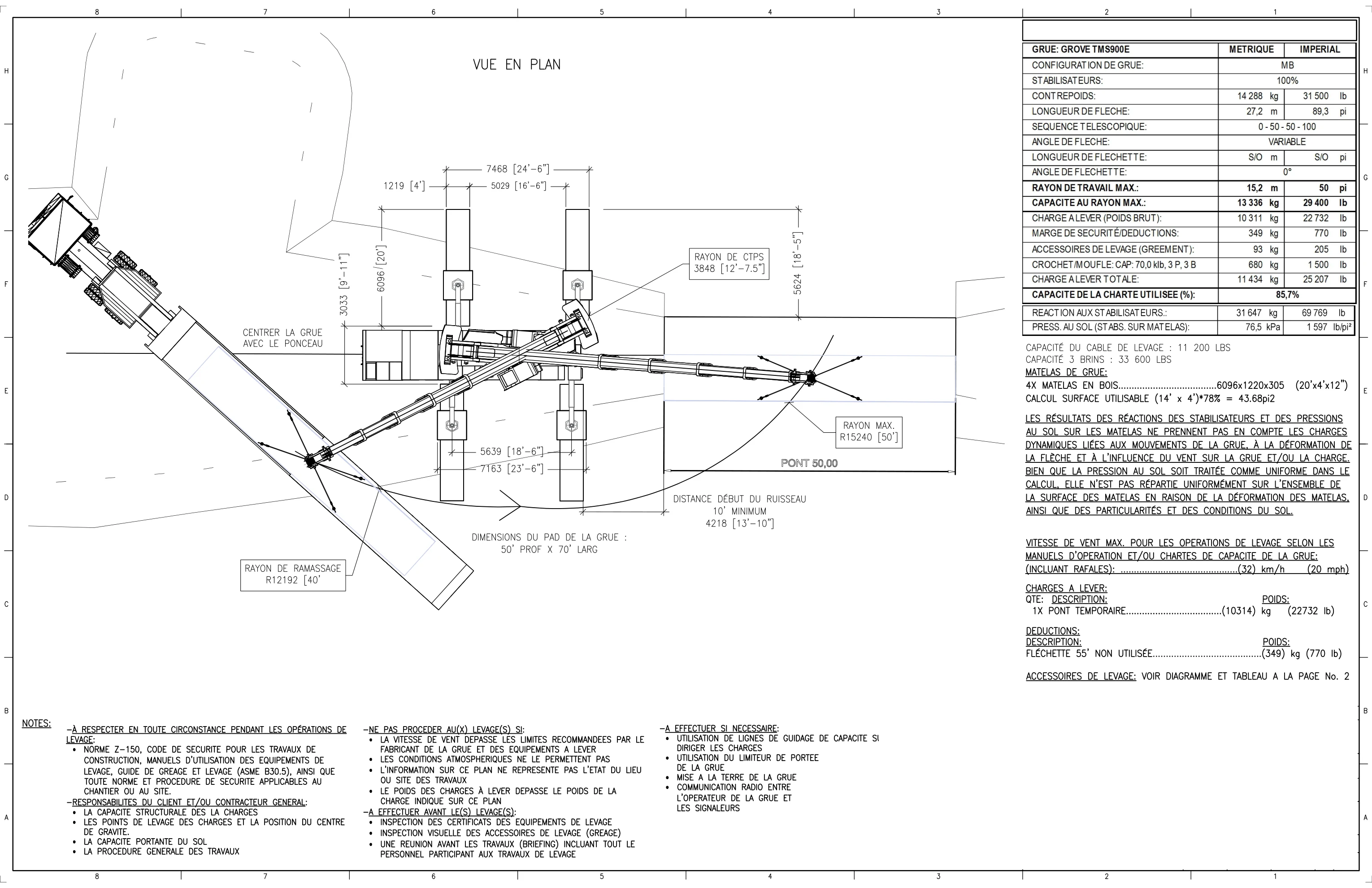
Crane
Grove TMS900E · MB
Load
Temporary bridge 10,314 kg
Capacity used
85.7 %
Wind limit
32 km/h · 20 mph
Crane specification table
Make / model / configuration (e.g. Grove TMS900E · MB · 100% outriggers). Boom length, telescoping sequence, counterweight, jib configuration. Sourced directly from manufacturer load charts.
Capacity utilization
Pick weight + rigging weight ÷ rated capacity at radius. Reported as a percentage — typically 70-90%. Anything above 90% triggers a re-spec or crane upgrade.
Load-path geometry
Pickup radius (e.g. R12192 / 40 ft), maximum-swing radius (R15240 / 50 ft), set radius. Plan view dimensioned. Obstruction clearances called out.
Ground-bearing analysis
Outrigger reactions in kg + lb. Mat sizing and material (e.g. 4× wooden mats 6096×1220×305 mm). Pressure on ground in kPa. Geotechnical input is client-supplied — we consume it, we don't produce it.
Environmental limits
Maximum wind speed for crane operation (e.g. 32 km/h / 20 mph including gusts) per manufacturer charts. Temperature band. Visibility minimums. Halt criteria.
Notes + signatures
Norme Z-150 reference, ASME B30.5 reference, client + contractor responsibilities, pre-lift inspection checklist, briefing requirements. Sealed before mobilization.
Single pick to multi-crane tandem. Same rigor.
Four engagement tiers. Each scoped, priced, and delivered with the same methodology. Complexity escalates ; the documentation standard stays constant.
Single-pick lift plans
One crane, one pick, bounded geometry. Most common engagement. Typical turnaround : 3-5 business days after kickoff. Includes plan view, capacity check, rigging spec, contingency notes.
Multi-pick / sequenced lifts
One crane, multiple picks, sequence matters. Examples : structural steel erection, equipment install with rigging changes between picks. Each pick documented separately + sequence diagram.
Tandem crane operations
Two cranes lifting one load. Simulated in CRANEbee® before field execution. Load-share calculations per crane, sync sequence, emergency-decouple procedure. Higher review threshold — second engineer signs.
Multi-crane + complex rigging
Three or more cranes, load-share rigging, custom spreader configurations, complex environmental envelopes. CRANEbee® 3D simulation mandatory. Multiple peer reviews. Highest tier — scoped per project.
Same-day emergency lift plans
When operations halt and a plan is needed now. We turn around a single-pick lift plan in 24 hours, sealed and ready for execution. Premium tier. Available across Quebec & Ontario.
Every high-consequence vertical.
The methodology travels across industries. LNG modules in megaprojects, structural steel for hospitals, transformer placements for utilities, reactor vessels for nuclear, antenna arrays for telecom — same engineering posture, sector-specific application.

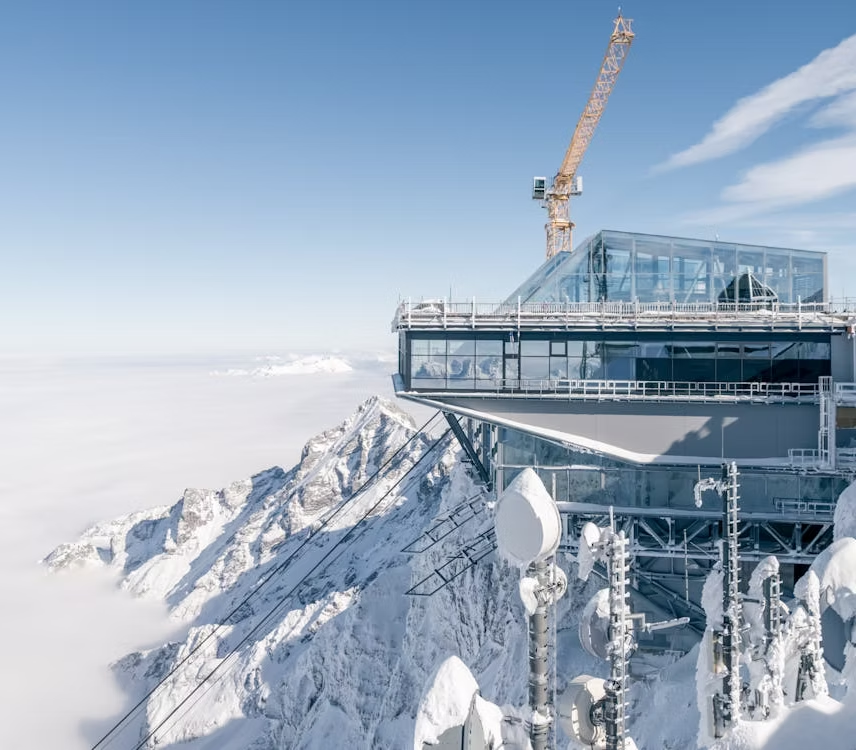
When operations stop.
Production halted because a lift plan is missing or a crane operator refuses to proceed without an updated plan. We turn this around in 24 hours — sealed lift plan in your hands, the operation restarts the next day. Premium pricing reflects the speed. Available across Quebec & Ontario.
Emergency contactLift planning, answered
A lift plan is an engineered document that proves a crane lift can be performed safely before it happens. It maps the load path, crane configuration, ground bearing, rigging, and contingencies — and, when required, is sealed by a professional engineer.
A sealed lift plan is generally required for critical or complex lifts — multi-crane (tandem) picks, lifts near structures or live plants, heavy or high-value loads, and wherever a site, owner, or provincial regulation calls for engineered sign-off. Maxor seals deliverables per the applicable provincial requirements in Quebec and Ontario.
Maxor lift plans reference CSA Z150 (mobile crane safety) and ASME B30.5, applied to Canadian site conditions. Every plan is peer-reviewed before issue — none ships without a second engineer's review.
Standard engineered lift plans turn around in days, and same-day emergency lift plans are available across Quebec and Ontario (24 h). Emergency turnaround does not skip the peer review — it compresses it.
Yes — Maxor engineers everything from a single pick to multi-crane tandem operations (up to 8 cranes via the CRANEbee platform), including 3D clash detection and real-time ground-bearing-pressure analysis.
Lifts we've engineered and sealed.
Twenty recent engagements across Canadian institutional clients — water, bridges, wind, steel, hospitals, ports. Sectors named, identities protected.
275 t sealed lift · Lanaudière
Île d'Orléans bridge construction support
Turbine nacelle hoist program
Bus station roof refection · 40 t sealed
Emergency operator evacuation crane
Culvert replacement program (DD25)
Scope your lift.
Tell us the load, the geometry, the timeline. A senior lead responds within one business day. The qualification call is free ; the fit memo is binding.