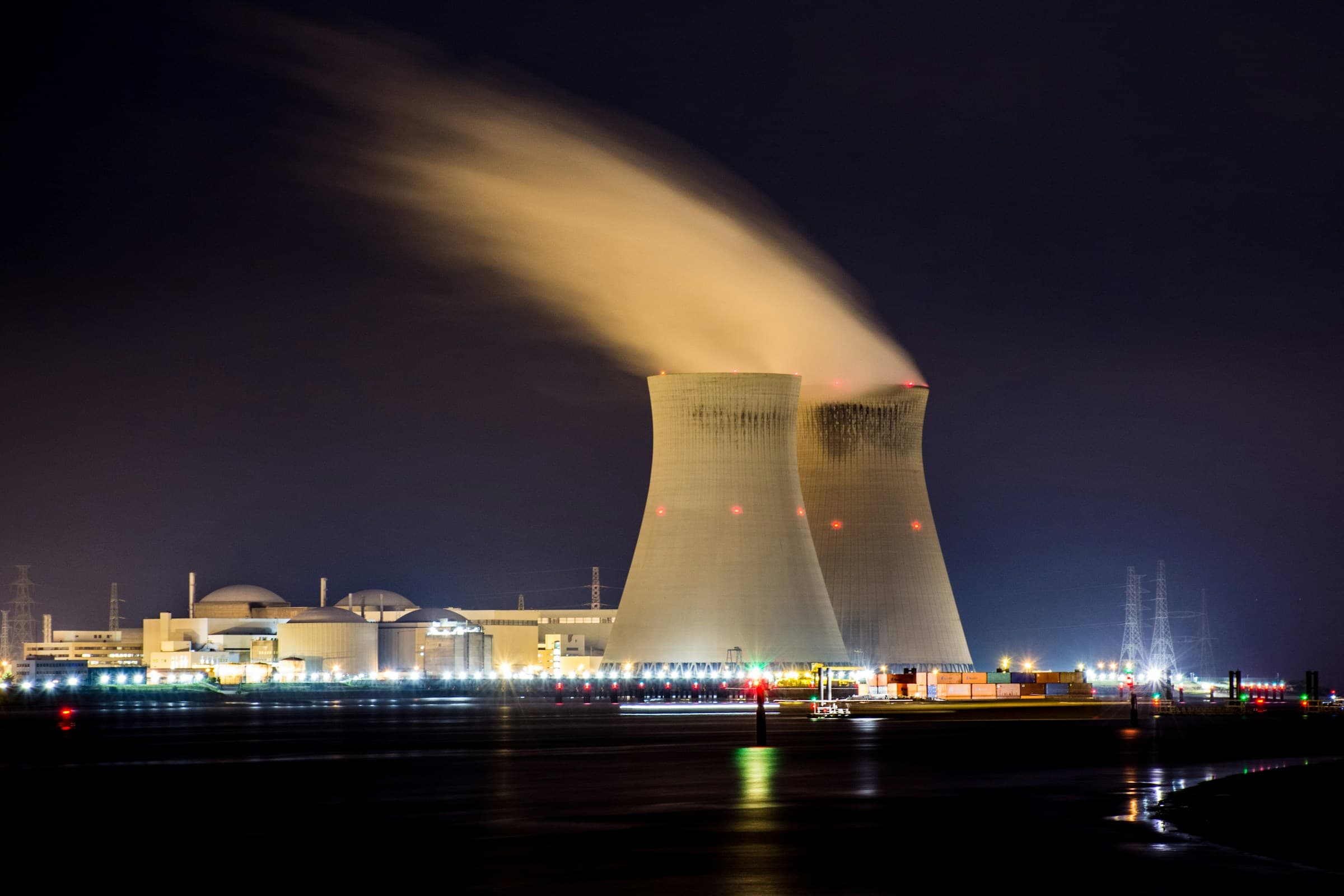
Where the lift
answers to the CNSC.
A nuclear lift is the most scrutinized pick in heavy industry — a steam generator replaced, a reactor component handled inside a radiation zone, a turbine set in the hall, all under CNSC oversight, an ALARA dose budget, and a security regime. The outage clock runs at over a million dollars a day. We engineer that lift — load-path-first, radiation-zone-aware, sealed to the licensee's quality + security program before mobilization. The licensee runs the reactor ; we get the heavy thing into place.
CSA N286
Nuclear management-system standard respected
ASME B30.5
Mobile crane standard, methodology-grade
24 h
Emergency lift plans — during a nuclear outage
0
Radiation-zone lifts without a sealed plan in hand
Six exposures under nuclear oversight.
Nuclear lifts carry the highest consequence in the portfolio — a radiation zone, a regulator that reviews everything, a dose budget, and an outage clock. The exposures below are what the sealed lift plan exists to control. Every Maxor deliverable in this vertical addresses them explicitly.
Nuclear-safety consequence
A dropped load near safety-related systems isn't an equipment problem — it's a nuclear-safety event with a regulatory, public, and licensing tail. The lift plan controls the pick that the plant's safety case cannot absorb failing.
Radiation zone + ALARA
Lifts inside controlled areas accumulate dose. As-Low-As-Reasonably-Achievable means the lift is planned for minimum time-in-field — staged, rehearsed, and sequenced so the crew's exposure is engineered down, not discovered on the floor.
CNSC regulatory scrutiny
The Canadian Nuclear Safety Commission reviews the work. A poorly-engineered lift becomes a licensing-file item that follows the station. Sealed deliverables, traceable to the licensee's management system — every time.
Outage overrun cost
A nuclear outage burns $1 M+ per day, and the critical path is unforgiving. A lift that slips its slot in the outage sequence pushes the return-to-service. The lift campaign is engineered against the fixed outage window.
Security clearance + access
Nuclear sites operate under federal security regimes. Crane mobilization, crew clearance, and equipment staging run through the station's security program — documented in the lift plan from G2 Scope, not improvised at the gate.
Crane failure near nuclear systems
Tip-over or boom collapse near a reactor building, fuel bay, or safety system is a worst-case event. Capacity utilization documented per pick ; the contingency matrix maps every safety-related system in the lift radius as keep-clear.
Six lift archetypes. Inside the station.
Nuclear lifts cluster into recurring engineering patterns — refurbishment, outage, and fuel-handling work, much of it inside controlled areas. Each archetype has its own load-case profile, dose constraint, and security regime. The methodology adapts ; the rigor doesn't.
Steam-generator replacement
The signature nuclear mega-lift — old steam generators removed and replacements installed through the reactor building. Multi-day, dose-managed, geometry-critical. CRANEbee 3D mandatory ; multiple peer reviews.
Reactor-component + refurbishment lifts
CANDU refurbishment component handling — calandria-adjacent work, feeder + end-fitting equipment, reactor-face tooling. Inside the highest-dose, tightest-geometry environment on site. Staged for minimum time-in-field.
Turbine + generator + condenser lifts
Turbine rotors, generator stators, condenser components, moisture-separator-reheaters in the turbine hall — conventional side, high-value, precision-set. Tandem-crane for the heaviest rotors.
Dry-storage cask + fuel-handling equipment
Spent-fuel dry-storage container handling, fuel-handling-system equipment, transfer-flask components. Among the most security- + dose-controlled lifts on site. Engineered to the licensee's fuel-handling procedures.
Heat-exchanger, pump + BOP lifts
Heat exchangers, primary + secondary pumps, valves, and balance-of-plant equipment during outage. Confined-building access, sequenced into the outage so the path is clear when the component moves.
Multi-pick outage campaigns
A nuclear outage is a tightly-sequenced campaign of lifts on the critical path. We plan the campaign — pick order, crane positioning, dose-managed sequencing, shared rigging — so the lifts flow without re-mobilizing mid-outage.
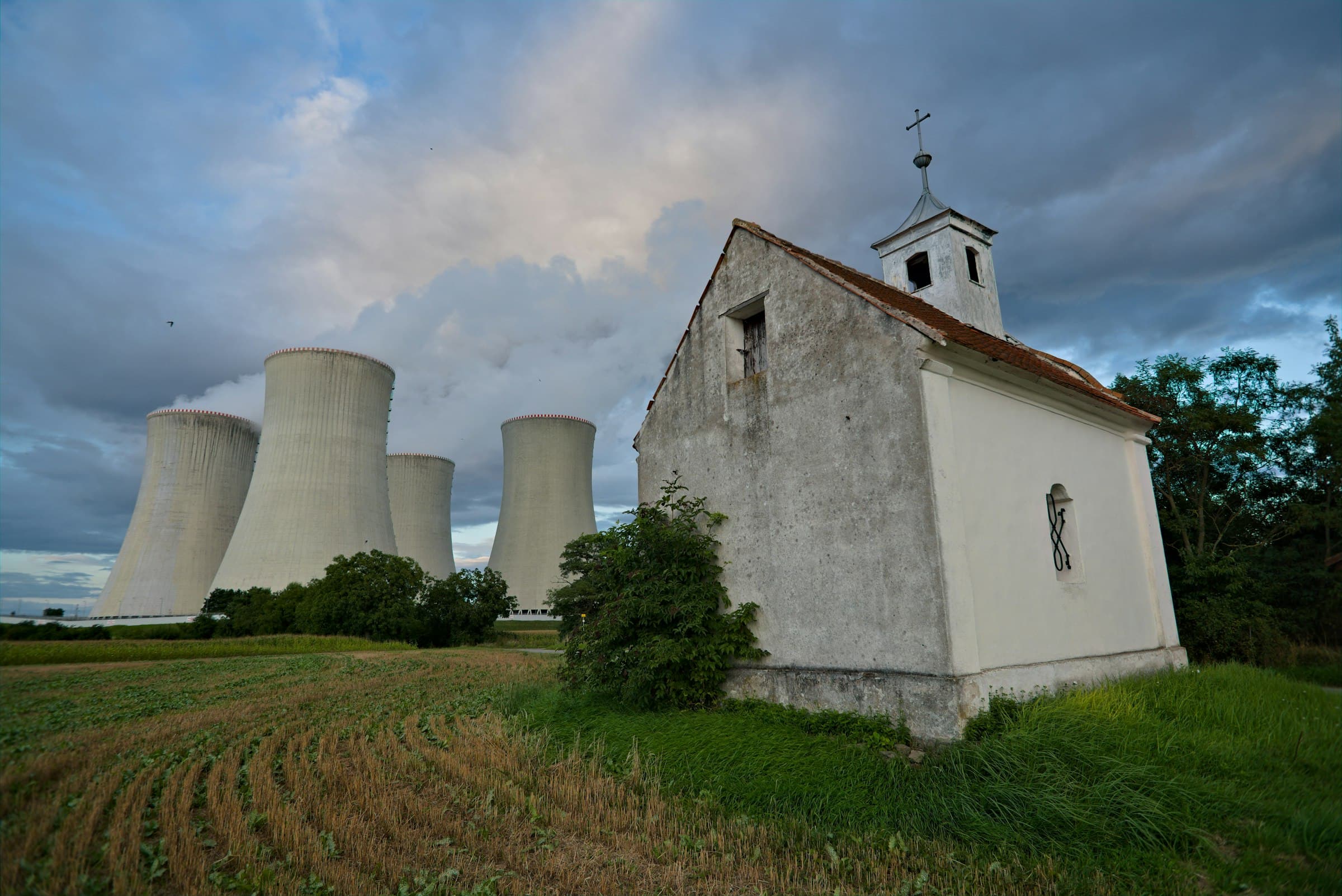
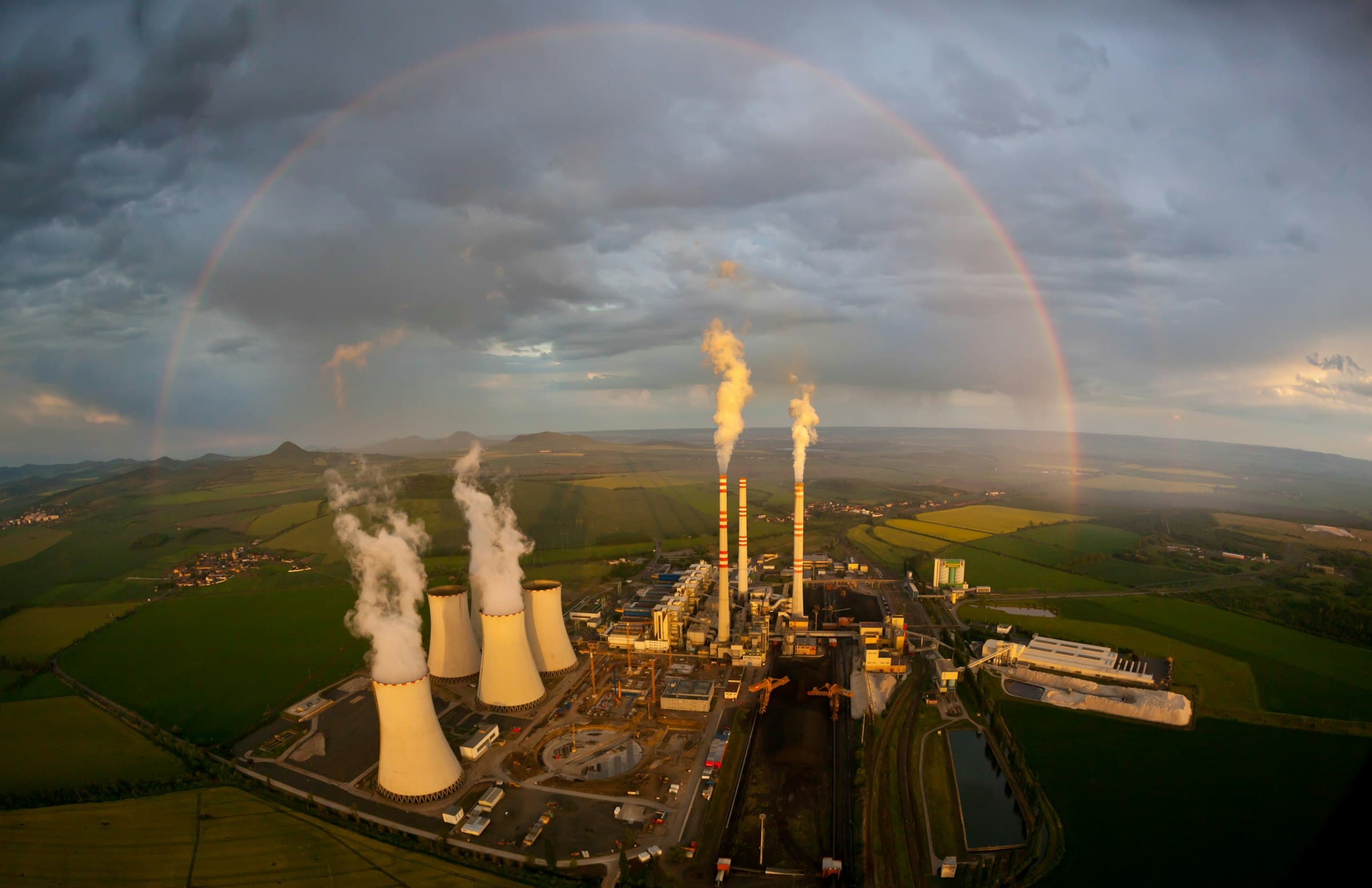
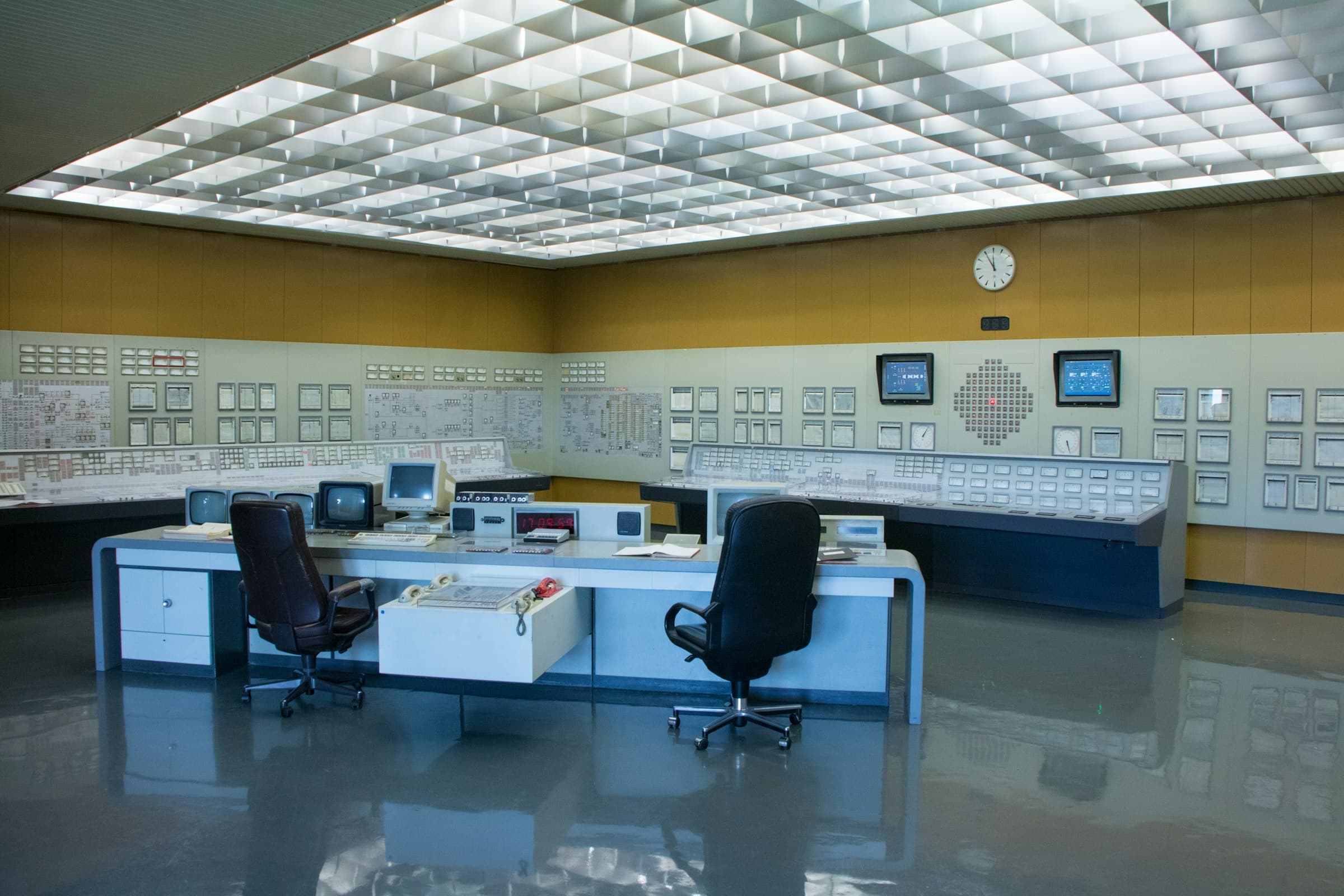
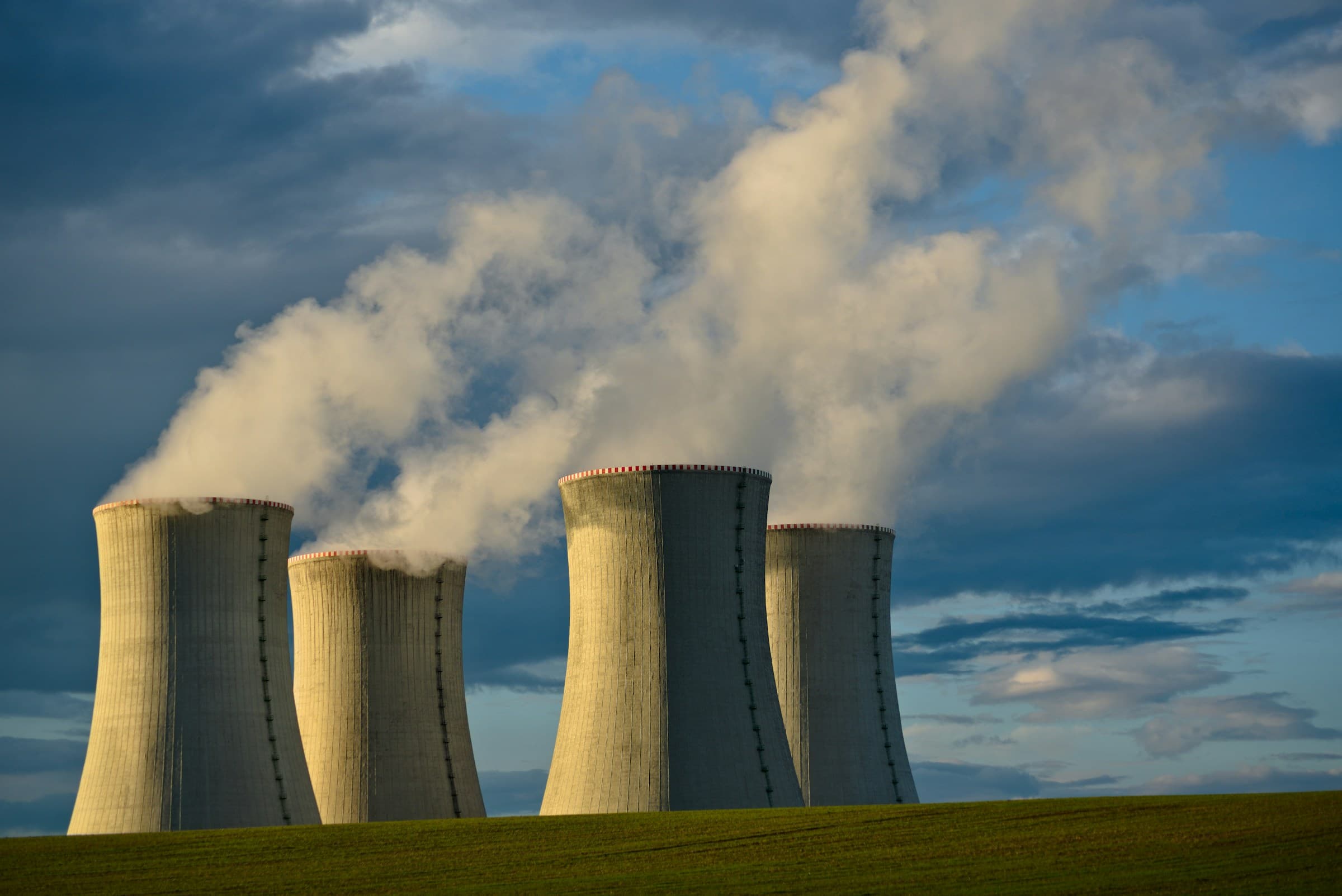
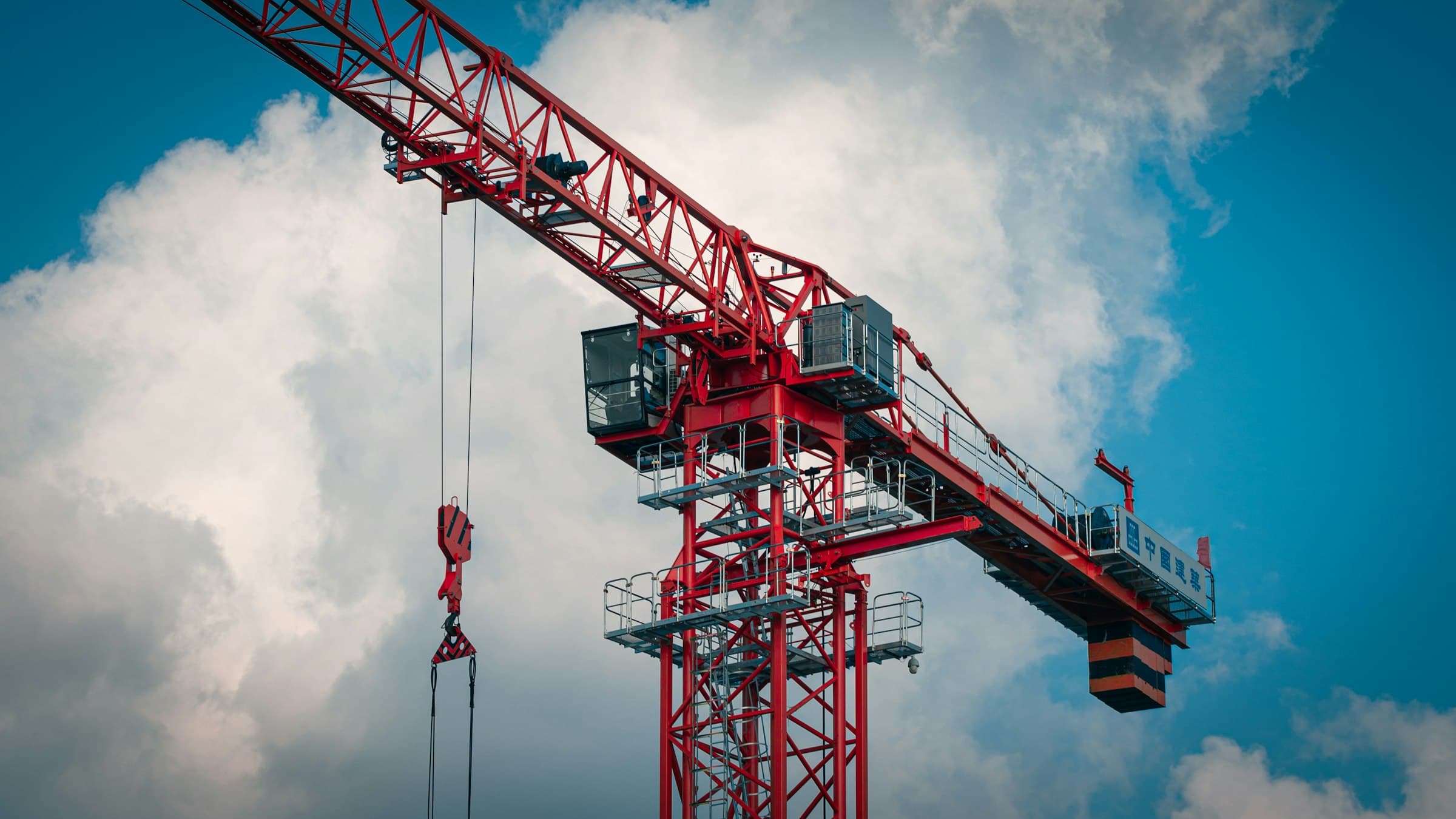
Nuclear in the field
From sector context to the lifts we engineer — a look at where this work happens.
The standards we work to.
The lift is our scope, so the standards we cite are crane + rigging standards — executed inside the licensee's nuclear quality + security management system. The reactor physics and the safety case belong to the licensee, not to us.
Mobile and locomotive cranes
The mobile crane safety standard — load charts, capacity, setup, operation. Cited on every nuclear lift plan as the methodology baseline.
Mobile crane safety + Quebec lift-plan code
The Canadian mobile crane standard ; in Quebec, Norme Z150 is the provincial lift-plan code. Cited on every engagement in its jurisdiction.
Management-system requirements for nuclear facilities
The Canadian standard for nuclear-facility management systems. Our lift deliverables are produced to integrate with the licensee's N286 management system — traceable, controlled, auditable.
Nuclear quality assurance
The nuclear QA program standard. Where the work falls under the licensee's NQA-1 program, our deliverables + rigging documentation align to the applicable quality requirements.
Slings + rigging hardware
Governs slings, shackles, links, and connecting hardware. Cited on the rigging spec of every lift — each component rated to the load, inspected to the nuclear program.
Regulator + dose-optimization
The Canadian Nuclear Safety Commission regulates the work ; ALARA governs dose. We document the lift's access posture + time-in-field optimization — we don't author the radiation-protection program, we plan the lift to respect it.
Four capability lines. One nuclear engagement.
Maxor's four service pillars all show up on a nuclear outage or refurbishment lift. Here's how each one earns its place — inside the station.
Sealed plans + emergency response
Outage- + refurbishment-sequenced lifts, single-crane to multi-crane tandem, dose-managed and planned as a campaign. Same-day emergency tier when a component failure threatens return-to-service. Capacity utilization per pick ; Z150 / B30.5 cited inline, produced to the licensee's N286 system.
Distribution + training + implementation
Steam-generator replacement, reactor-face work, and turbine-hall lifts modeled in CRANEbee before the crane sets up. Swing arc + safety-system keep-clear drawn against actual station geometry — and rehearsed to minimize time-in-field. We distribute, train, and implement the platform on Canadian nuclear projects.
Distribution + advisory + training
Dyneema® synthetic chains for confined, dose-managed lifts where lighter rigging cuts time-in-field, near energized + safety-related systems where steel conductivity is a hazard, and on finished surfaces where marking is unacceptable. Authorized Quebec distribution.
Deterministic engineering platform
The Maxor software line (Heisen, TensorYard, HullSmith Firewall) provides the audit-grade evidence substrate behind the sealed lift plans — recallable lift records, outage-campaign provenance, N286-traceable, sovereign deployment.
Beyond the four pillars — software built for your operation.
The four service pillars cover the lift. But most nuclear operators carry a software gap the off-the-shelf vendors never close. We build it — custom applications, integrations, and managed services, same engineering posture, same team from kickoff to go-live, sovereign by default, N286-aware. Engineered in Canada, owned by you.
Heisen — our deterministic intelligence layer — is optional on any build: embed it or not, your call. Either way it plugs into a fresh custom app or your existing third-party software via API.
Outage-campaign planning + dose tracking
Sequences outage lifts against the critical path, crane availability, and dose budget — so the station returns to service on the planned hour with the crew's exposure engineered down.
Lift records + N286 evidence registry
A registry of every sealed lift tied to the component + the N286 management system — traceable, controlled, recallable for the next outage or CNSC review instead of re-assembled.
Deterministic engineering compute (Heisen)
Heisen deterministic compute for the engineering analysis behind a high-consequence lift — reproducible, audit-trailed, explainable. The analysis re-runs to the same answer under regulatory review.
Nuclear, answered
Yes — Maxor engineers sealed lift plans for nuclear stations and their supply chain, where a critical lift near contained systems has no margin for a plausible-but-wrong answer. Every plan is peer-reviewed and built to the site's quality program.
Maxor works to ASME B30.5, CSA Z150, CSA N286, ASME NQA-1, and ASME B30.9 / B30.26, under CNSC oversight and the ALARA principle. Every plan is peer-reviewed by a second engineer.
Yes — Maxor plans to CSA N286 and ASME NQA-1 quality requirements, with the documentation and traceability a nuclear QA program demands, and keeps dose exposure ALARA in the lift sequence itself.
Scope your nuclear outage lift.
Tell us the component, the outage window, and the station's access regime. A senior lead responds within one business day with a scoped lift engagement and a path to first deliverable.