Where the lift
is next to the cracker.
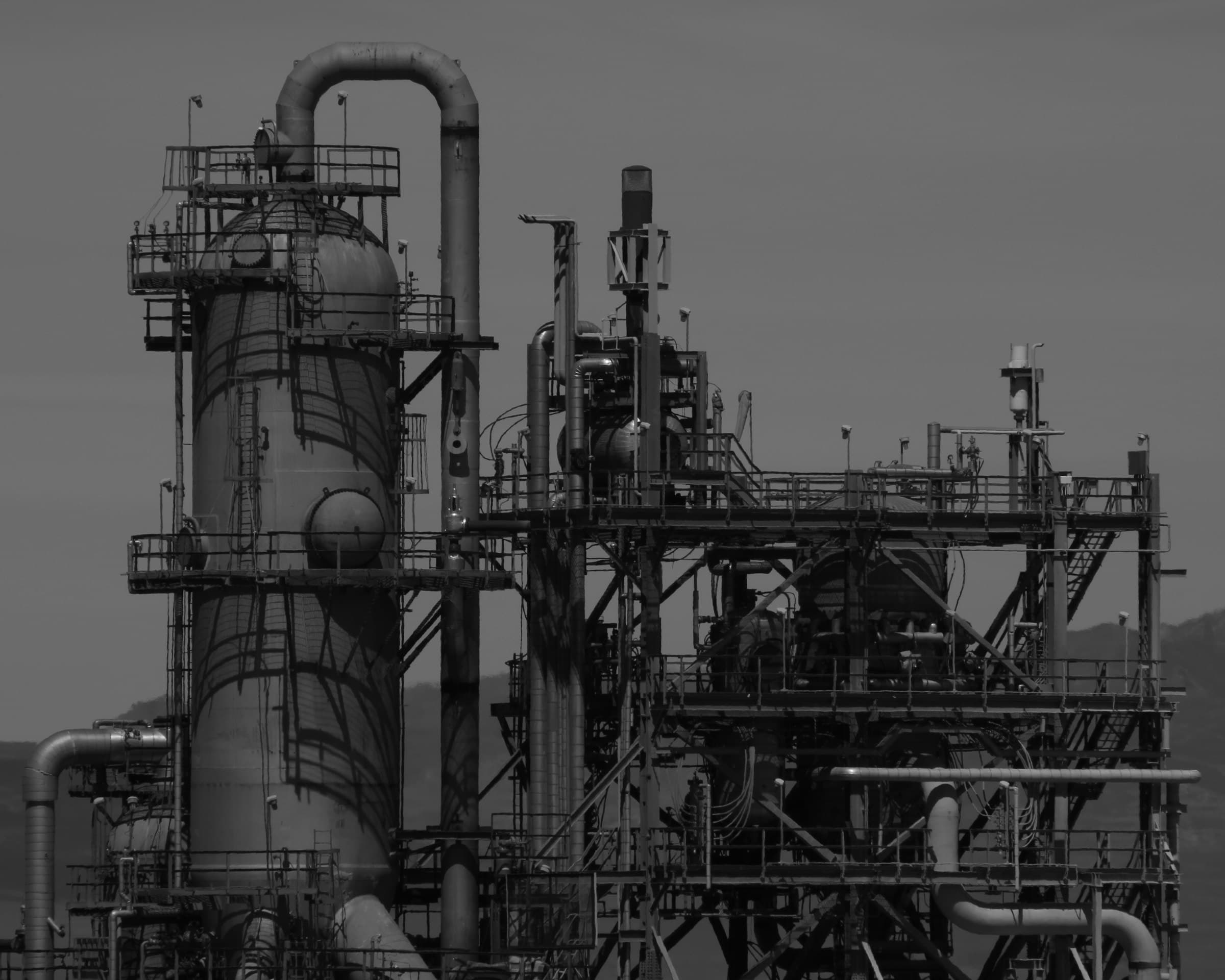
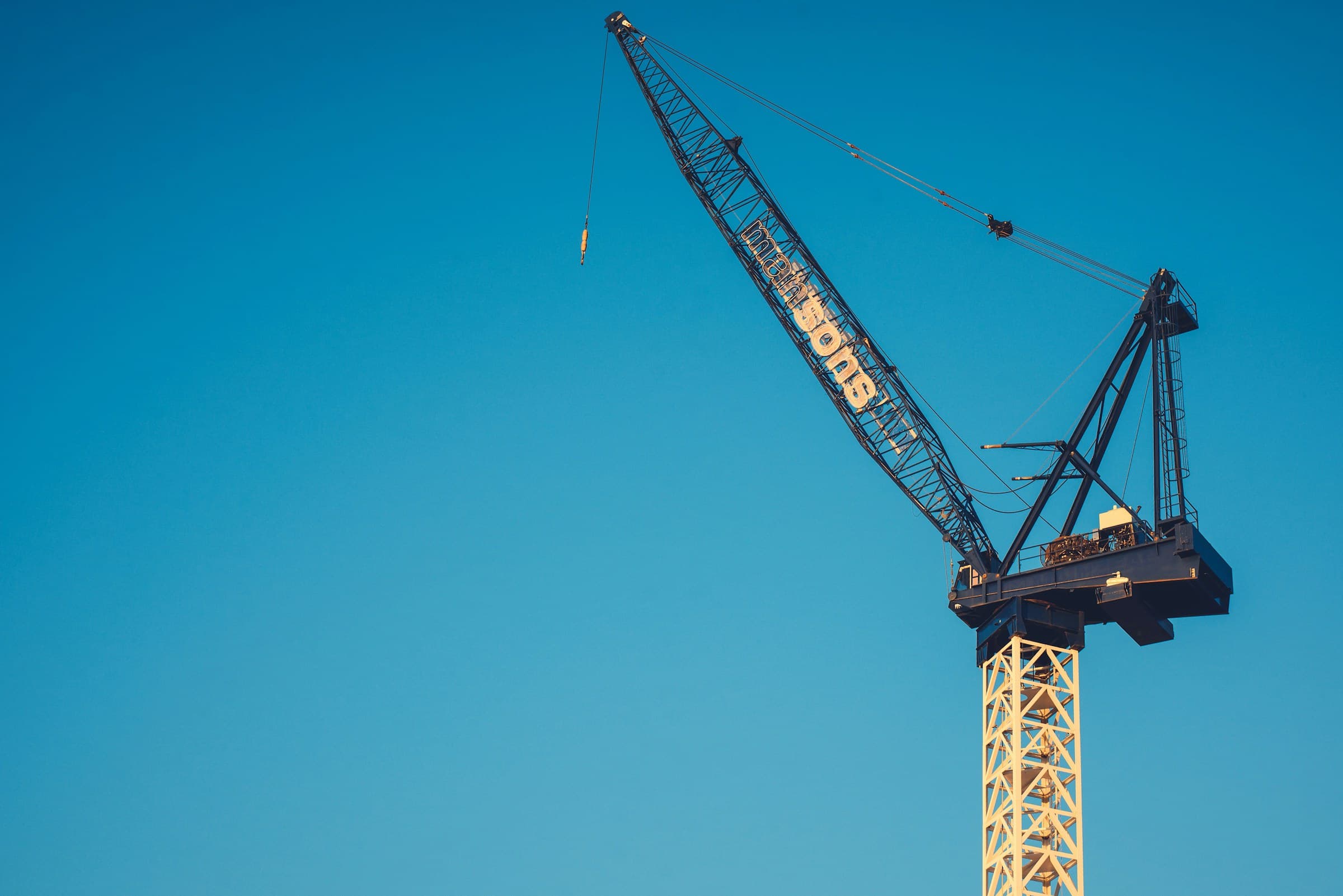
A petrochemical lift happens on a hot, confined plant floor, often within the line-of-fire of a flammable or toxic process, inside a turnaround that burns over a million dollars a day. A distillation column upended in the air, a reactor swapped, a heat-exchanger bundle pulled — each is a high-consequence pick beside live chemistry. We engineer that lift — load-path-first, hazardous-process-aware, sealed before mobilization. The plant runs the chemistry ; we get the heavy thing into place.
ASME B30.5
Mobile crane standard, methodology-grade
Z150
Quebec lift-plan code applied to every engagement
24 h
Emergency lift plans — during a plant turnaround
0
Plant-floor lifts without a sealed plan in hand
Six exposures beside a live process.
Petrochemical lifts carry the same turnaround clock as a refinery, plus the proximity of a flammable or toxic process. The exposures below are what the sealed lift plan exists to control. Every Maxor deliverable in this vertical addresses them explicitly.
Turnaround overrun cost
A petrochemical turnaround burns $1 M+ per day. A lift that overruns its slot in the shutdown sequence cascades to every task behind it and pushes the restart. The lift plan exists to keep the turnaround on schedule.
Hazardous-process proximity
Lifts happen within the line-of-fire of flammable, toxic, or pressurized systems. A dropped load isn't just equipment damage — it's a potential release event. The contingency matrix maps the process line-of-fire as keep-clear before the pick.
Crane catastrophic failure
Over-capacity pick, miscalculated radius, boom past its chart : tip-over or boom collapse in a petrochemical plant is a fatality-class event with a release tail. Capacity utilization documented per pick.
Column verticality + upending
Tall distillation + fractionation columns are upended from horizontal to vertical in the air — the most geometry-sensitive lift in the plant. Tailing-crane + main-crane load-share is engineered, modeled in CRANEbee, not improvised.
Environmental release
A dropped vessel or a struck line in a chemical plant is an ECCC reportable release. Soil, water, air exposure all draw the regulator. The lift plan's contingency matrix is the document that proves you saw it coming.
Hot-and-confined plant floor
Lifts happen beside equipment barely cooled from operation, on a floor dense with pipe racks, steam lines, and structure. Clearances + residual-heat keep-clear are mapped against the as-built before the crane sets up.
Six lift archetypes. Inside the turnaround.
Petrochemical lifts cluster into recurring engineering patterns — almost always inside a turnaround, beside live process. Each archetype has its own load-case profile and clearance geometry. The methodology adapts ; the rigor doesn't.
Distillation + fractionation column installs
Tall columns upended from horizontal to vertical in the air — tailing-crane + main-crane handoff, load-share per crane, verticality-controlled set. The signature petrochemical lift. CRANEbee 3D mandatory.
Reactor + vessel replacements
Reactor vessels, drums, separators swapped during turnaround. Lift attachment verified against the vessel, set onto an engineered foundation. Tandem-crane for the heaviest. API-inspector findings consumed as input.
Heat-exchanger bundle pulls + installs
Shell-and-tube bundle extraction + reinsertion, exchanger-shell lifts. Confined-rack access, horizontal-pull geometry. Sequenced into the turnaround so the rack is clear when the bundle moves.
Compressor + rotating-equipment lifts
Centrifugal + reciprocating compressors, turbine drivers, large pumps. Precision set onto isolated foundations. Acceleration-controlled lift to protect the machine train.
Fired-heater + furnace components
Convection + radiant modules, coils, stacks, burner equipment. Lifts up the heater structure or through a roof opening. Line-of-fire keep-clear documented for adjacent live units.
Multi-pick turnaround campaigns
A petrochemical turnaround is dozens of lifts sequenced across days. We plan the campaign — pick order, crane positioning between picks, shared rigging — so the lifts flow without re-mobilizing mid-shutdown.
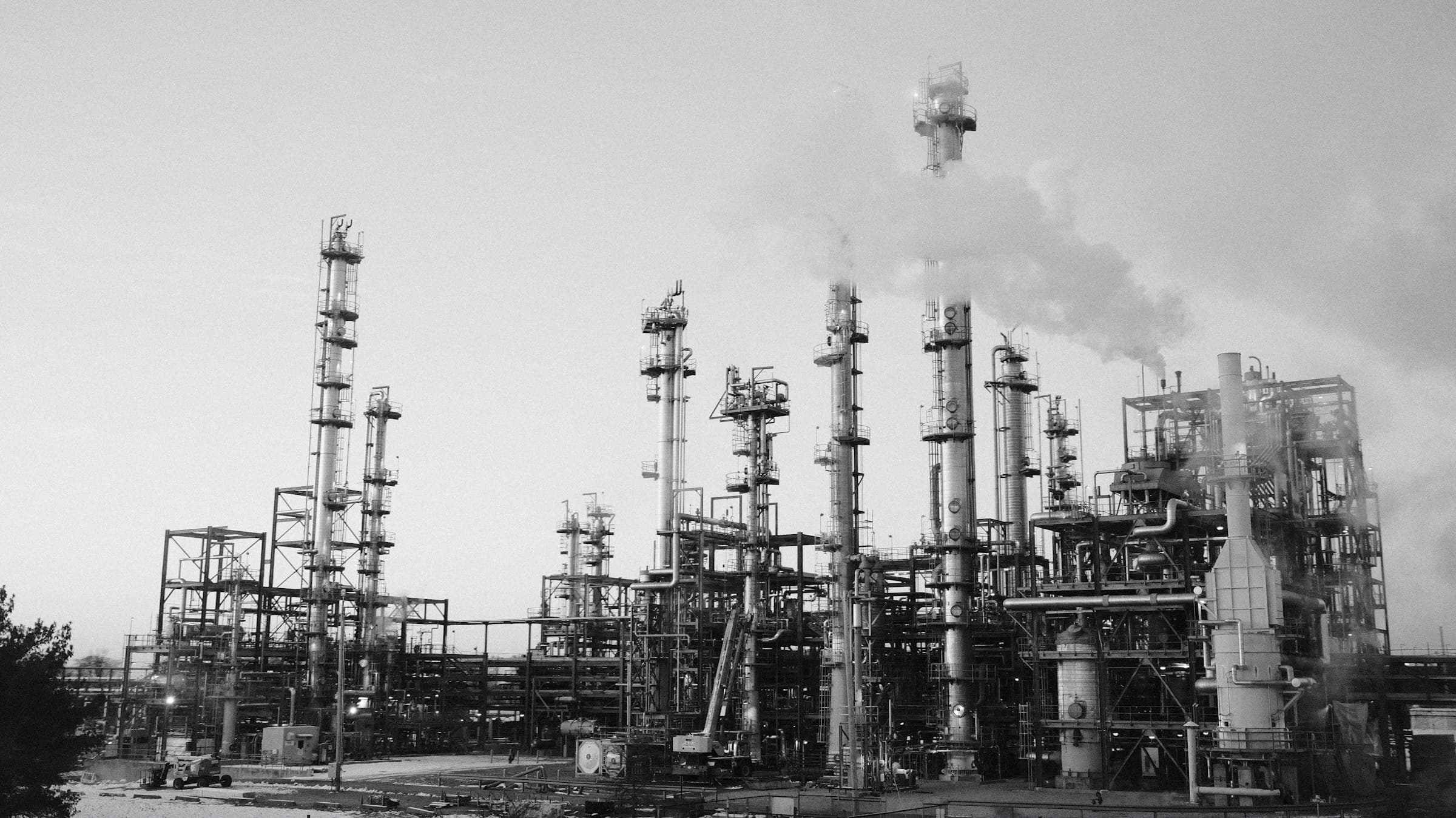
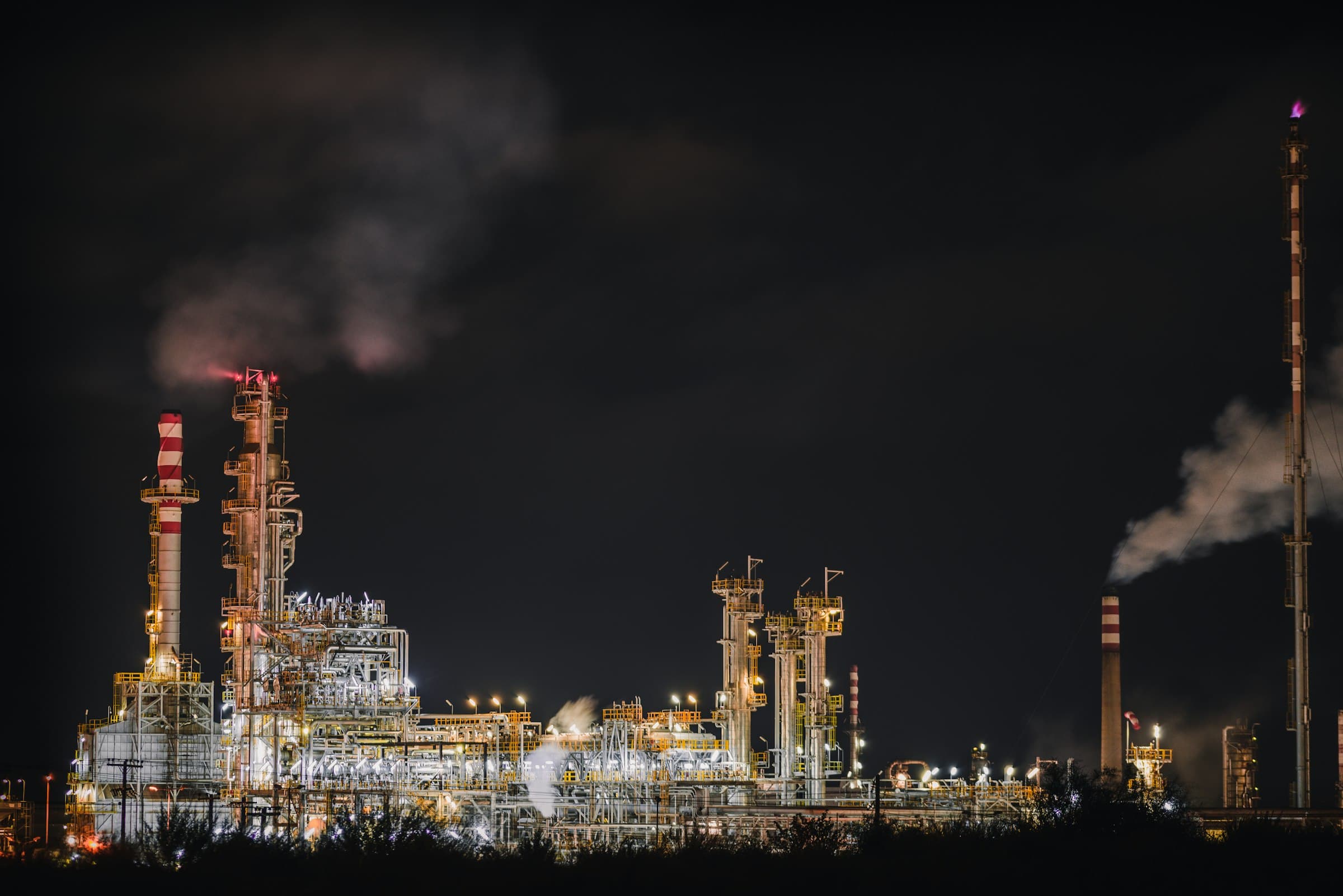
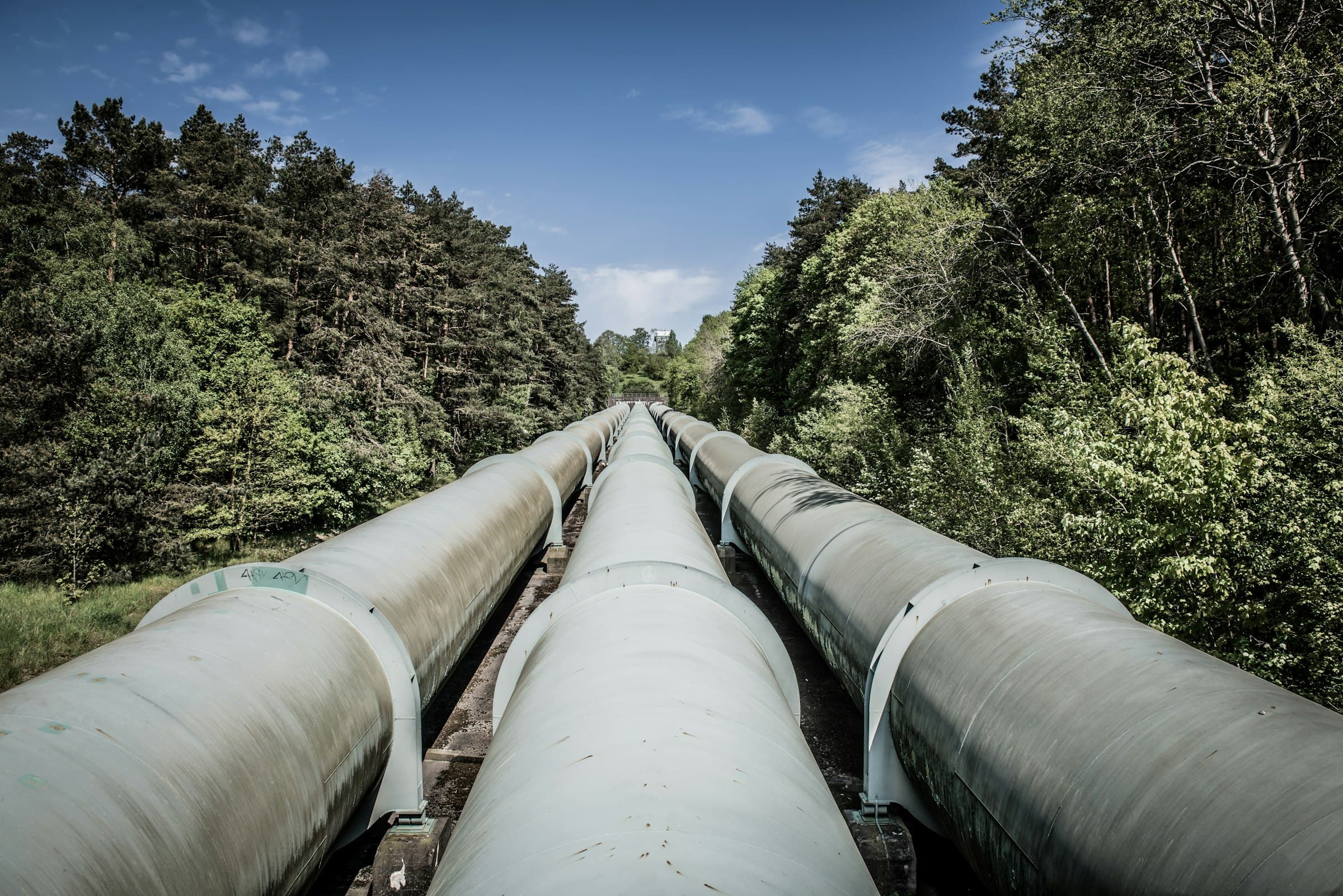
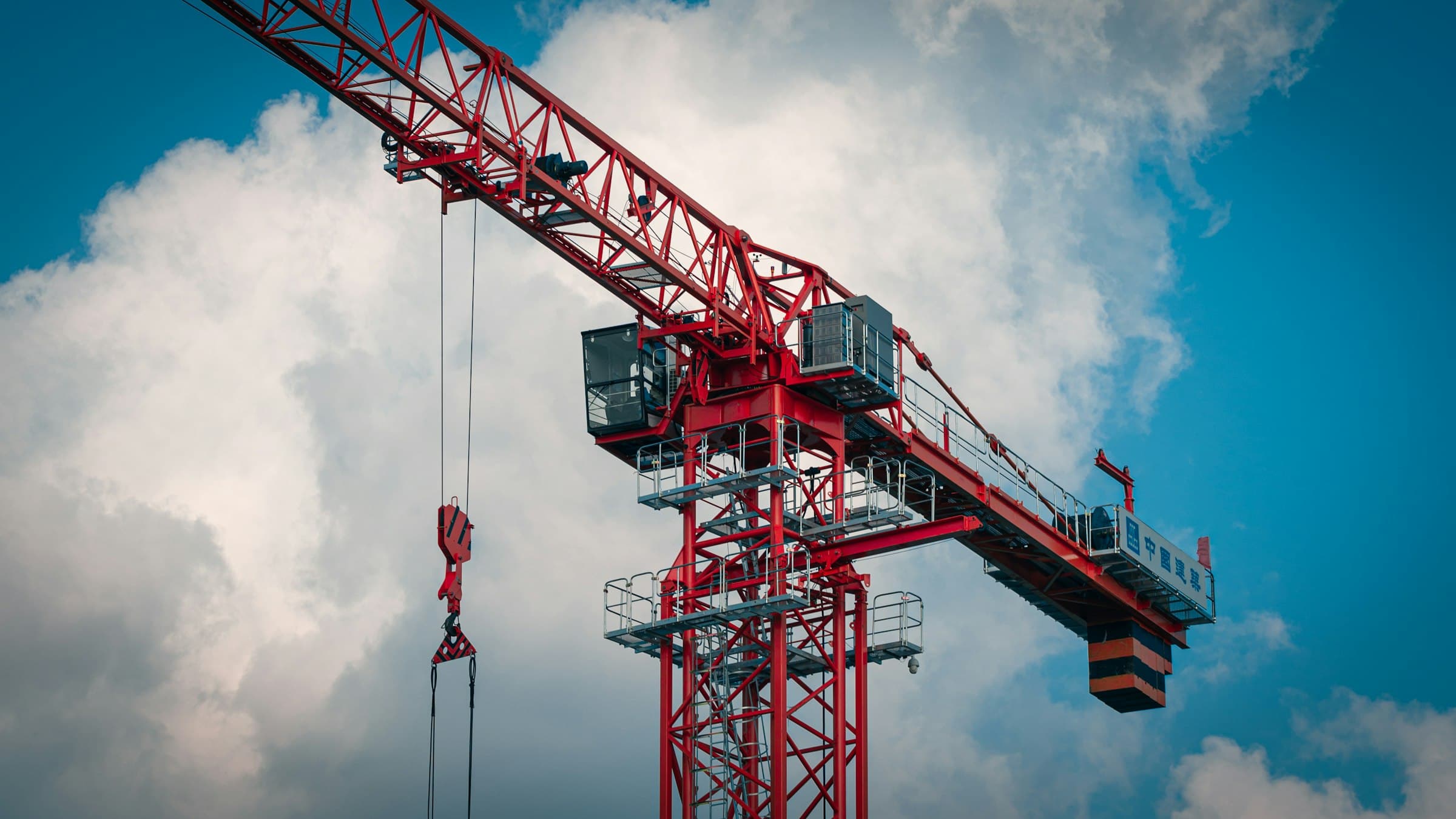
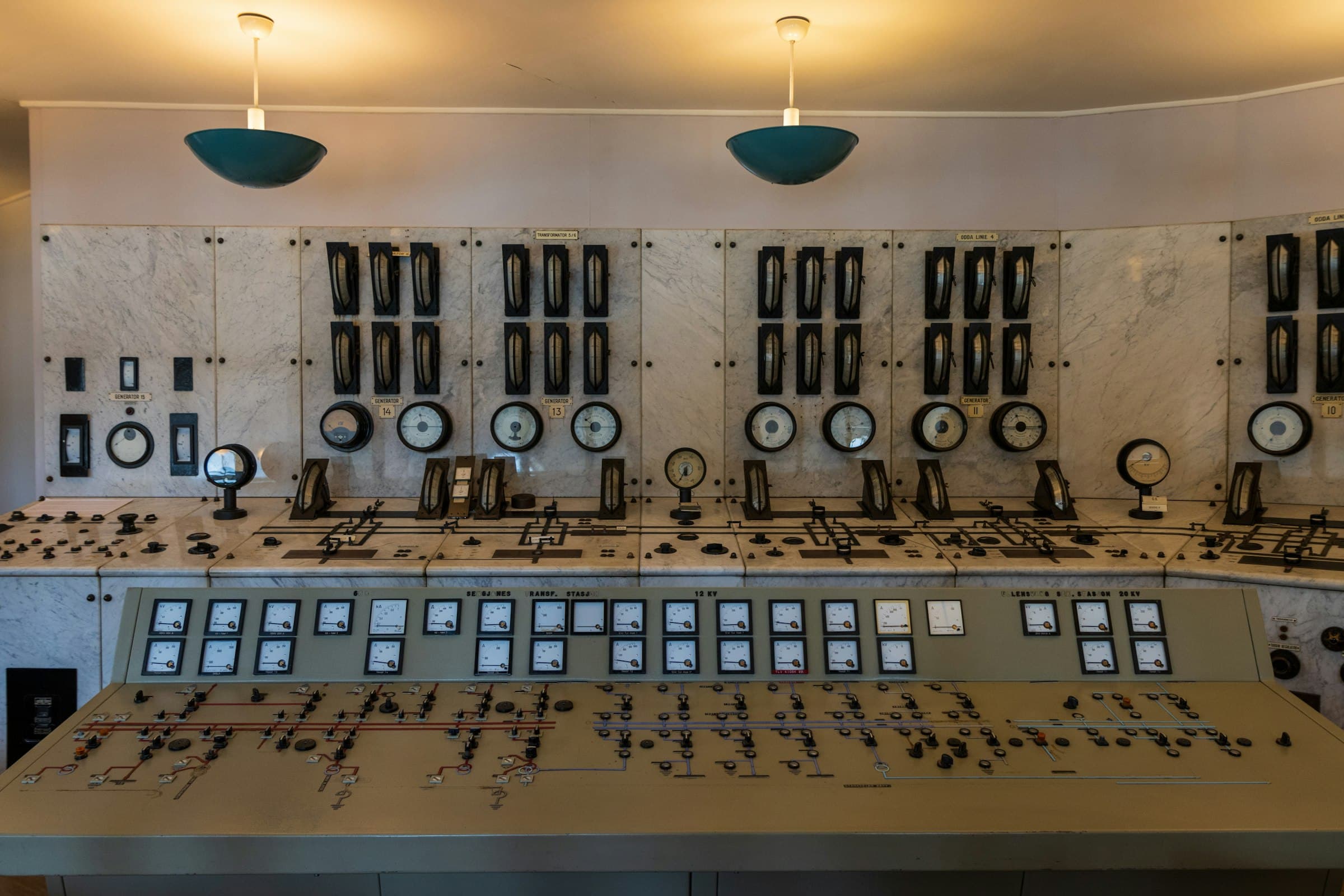
Petrochemical in the field
From sector context to the lifts we engineer — a look at where this work happens.

The standards we work to.
The lift is our scope, so the standards we cite are crane + rigging standards. The process-safety case, the pressure-vessel code, the hazard analysis belong to the plant's engineers — we engineer getting their equipment into place beside a live process.
Mobile and locomotive cranes
The mobile crane safety standard — load charts, capacity, setup, operation. Cited on every petrochemical lift plan as the methodology baseline.
Mobile crane safety + Quebec lift-plan code
The Canadian mobile crane standard ; in Quebec, Norme Z150 is the provincial lift-plan code. Cited on every engagement in its jurisdiction.
Slings
Governs sling selection, rating, and inspection — wire-rope, chain, synthetic. Cited on the rigging spec of every lift, each leg sized against the load + safety factor.
Rigging hardware
Governs shackles, links, rings, and connecting hardware. Cited on the rigging assembly — every component rated to the load it carries.
Process Safety Management
Process safety management governs work adjacent to highly-hazardous chemical inventories. Referenced so the lift plan's proximity controls align with the plant's PSM program.
Manufacturer load charts
The crane's published capacity at radius, boom length, and configuration. Every capacity-utilization figure in our plans traces back to the manufacturer chart.
Four capability lines. One petrochemical engagement.
Maxor's four service pillars all show up on a petrochemical turnaround lift. Here's how each one earns its place — beside the live process.
Sealed plans + emergency response
Turnaround-sequenced lifts, single-crane to multi-crane tandem + column upending, planned as a campaign across the shutdown. Same-day emergency tier when a lift conflict threatens the restart. Capacity utilization per pick ; Z150 / B30.5 cited inline.
Distribution + training + implementation
Column upending, reactor swaps, and confined-rack exchanger pulls modeled in CRANEbee before the crane sets up. Swing arc + process line-of-fire keep-clear drawn against actual plant geometry. We distribute, train, and implement the platform on Canadian plant projects.
Distribution + advisory + training
Dyneema® synthetic chains for lifts near energized + flammable systems where steel conductivity or spark risk is a hazard, and on finished equipment where steel marking is unacceptable. Lighter rigging in confined racks. Authorized Quebec distribution.
Deterministic engineering platform
The Maxor software line (Heisen, TensorYard, HullSmith Firewall) provides the audit-grade evidence substrate behind the sealed lift plans — recallable lift records, turnaround-campaign provenance, sovereign deployment.
Beyond the four pillars — software built for your operation.
The four service pillars cover the lift. But most petrochemical operators carry a software gap the off-the-shelf vendors never close. We build it — custom applications, integrations, and managed services, same engineering posture, same team from kickoff to go-live, sovereign by default. Engineered in Canada, owned by you.
Heisen — our deterministic intelligence layer — is optional on any build: embed it or not, your call. Either way it plugs into a fresh custom app or your existing third-party software via API.
Turnaround-campaign planning + sequencing
Sequences the dozens of turnaround lifts + tasks against crane availability, crew, and critical-path tie-ins — so the plant restarts on the planned hour, not days late.
Production + yield reconciliation
Reconciles feedstock, intermediate, and product streams across the plant into one auditable mass balance — replacing the spreadsheet chain that breaks every time a meter drifts.
Asset-integrity + inspection dashboard
Integrates API inspection findings, fitness-for-service status, and replacement-lift planning — when a vessel is flagged for end-of-life, the next turnaround scope is already built from data.
Petrochemical, answered
Yes — Maxor engineers sealed lift plans for petrochemical and chemical process plants, including reactor, column, and exchanger placements near live process units. Every plan is peer-reviewed and works around process-safety constraints.
Maxor works to ASME B30.5, CSA Z150, ASME B30.9 and B30.26 (slings and hardware), and OSHA 1910.119 PSM, cross-checked against the manufacturer's load charts. Every plan is peer-reviewed before issue.
Yes — Maxor plans multi-crane tandem picks in congested plants with CRANEbee 3D clash detection and real-time ground-bearing-pressure analysis, so clearances against live equipment are validated before mobilization.
Scope your petrochemical turnaround lift.
Tell us the equipment, the turnaround window, and the plant floor. A senior lead responds within one business day with a scoped lift engagement and a path to first deliverable.