
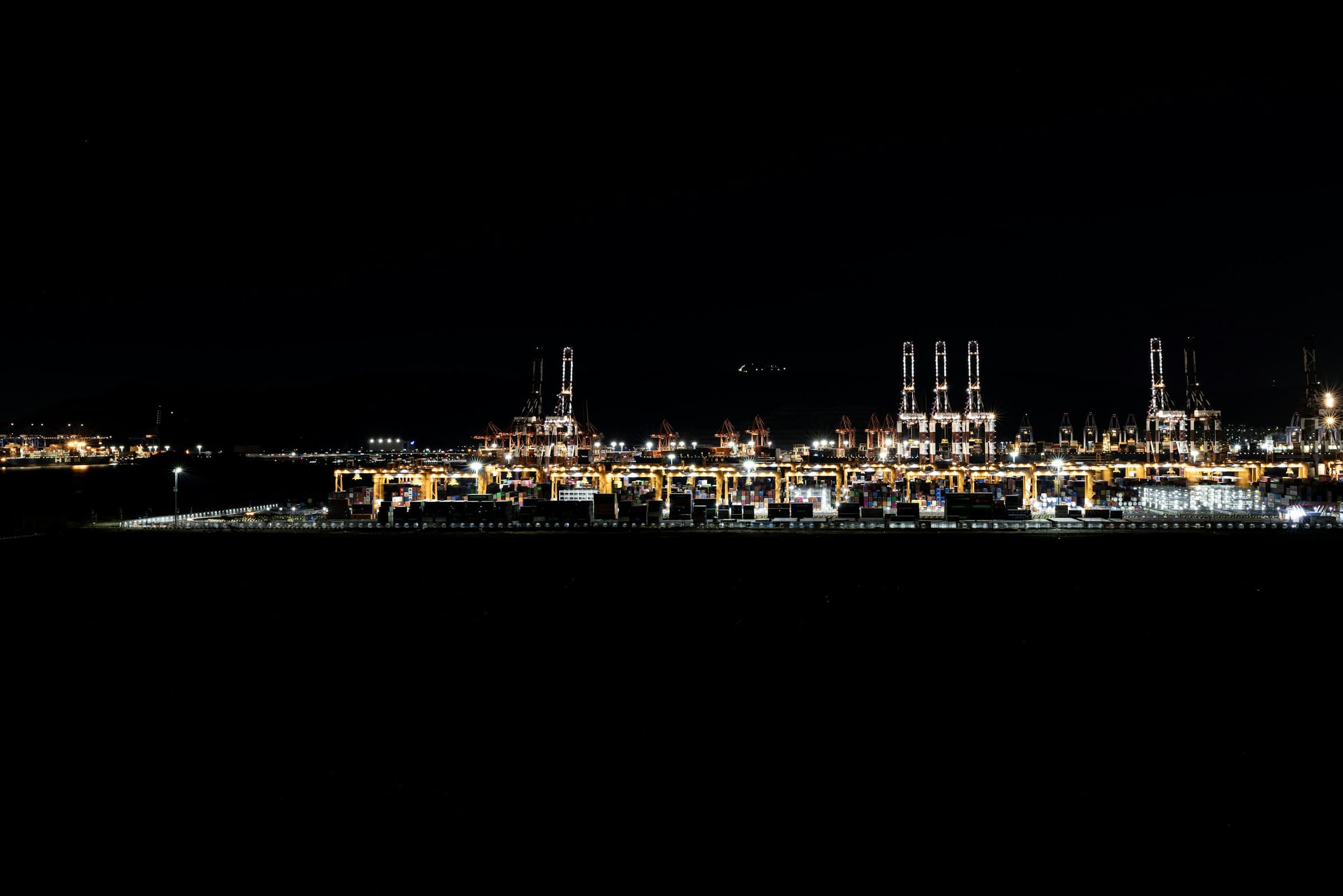
Where the berth
runs on the tide.
A terminal doesn't get to reschedule the tide. A ship-to-shore crane component lift that misses its window pushes a vessel to demurrage at $30-80 K per day. A dropped STS trolley shuts a berth for weeks and draws Transport Canada. A breakbulk heavy lift that fouls the quay edge risks the structure and the cargo. We engineer the lift plans for the heavy equipment that builds, maintains, and repairs the terminal — tide-window-aware, sealed before mobilization, quay edge to yard.
ISPS
Marine security code — access posture aligned
ISO 3874
Container handling standard — referenced
24 h
Emergency lift plans — Canadian terminals
0
Quay lifts without a sealed plan in hand
Six exposures the terminal operator can't reschedule.
Marine terminal engineering runs against the tide, the vessel schedule, and the marine environment — none of which negotiate. The exposures below are the line items on every berth's risk register. Every Maxor deliverable in this vertical addresses them explicitly.
Berth downtime + demurrage
$30-80 K per day in vessel demurrage when a berth is out. A crane-repair lift that overruns its window cascades to every vessel queued behind it. The lift plan is the document that keeps the berth on schedule.
STS / yard-crane catastrophic failure
A dropped ship-to-shore trolley or a collapsed boom is a fatality-class event + a multi-week berth closure + a Transport Canada investigation. STS and yard-crane component lifts are sealed before mobilization, no exception.
Tide + weather window
Quayside lifts are bounded by tide height, current, and wind off the water. The window is fixed by nature. The contingency matrix documents the halt criteria and the fallback window — improvisation at the quay edge is not an option.
Marine environment — spill + debris
A dropped load into the harbour is a Transport Canada + ECCC reportable event. Hydraulic release, fuel, debris — all draw the marine regulator. The lift plan's contingency matrix is the document that proves you saw it coming.
ISPS + port-authority access
Terminals operate under the International Ship and Port Facility Security (ISPS) Code. Crane mobilization, crew access, and equipment staging all run through port-authority security. The plan documents the access posture from G2 Scope.
Labour + jurisdiction
Longshore labour, marine pilots, port-authority engineering : a quay lift touches multiple jurisdictions. The lift plan is the artifact every party signs against — clear scope, clear responsibility, clear halt authority.
Six operation archetypes. Quay edge to yard.
Marine terminal operations cluster into recurring engineering patterns. Each archetype has its own load-case profile, regulatory framing, and tide-bounded window. The methodology adapts ; the rigor doesn't.
Ship-to-shore crane erection + repair
STS crane component lifts — boom sections, trolley, machinery-house modules, electrical-house. Multi-crane tandem for full erection. Quay-edge ground-bearing analysis against wharf load limits. Tide-window coordination documented.
RTG / RMG assembly + relocation
Rubber-tyred and rail-mounted gantry crane assembly, portal-leg lifts, sill-beam placements, spreader handling. Yard-block footprint coordination. Relocations between yard blocks during terminal reconfiguration.
Mobile-harbour-crane assembly
Mobile harbour crane (MHC) assembly + commissioning lifts — ballast, boom, A-frame. Counterweight handling on the quay. Outrigger-load analysis against wharf-deck capacity.
Project + breakbulk quay lifts
Wind-turbine components, transformers, prefab modules, oversized project cargo moving vessel-to-quay-to-laydown. Tandem-crane or vessel-crane-to-shore-crane handoff. Lift envelope plotted against quay-edge clearances.
Shore-power + fendering equipment
Shore-power (cold-ironing) transformer + cable-reel installs, fender-panel + dolphin equipment, bollard placements. Lifts adjacent to live berth operations — staged around the vessel schedule.
Bulk-handling equipment lifts
Shiploader / shipunloader components, conveyor + transfer-tower steel, hopper + chute installs. Dust-environment rigging. Coordinated with bulk-terminal throughput windows.
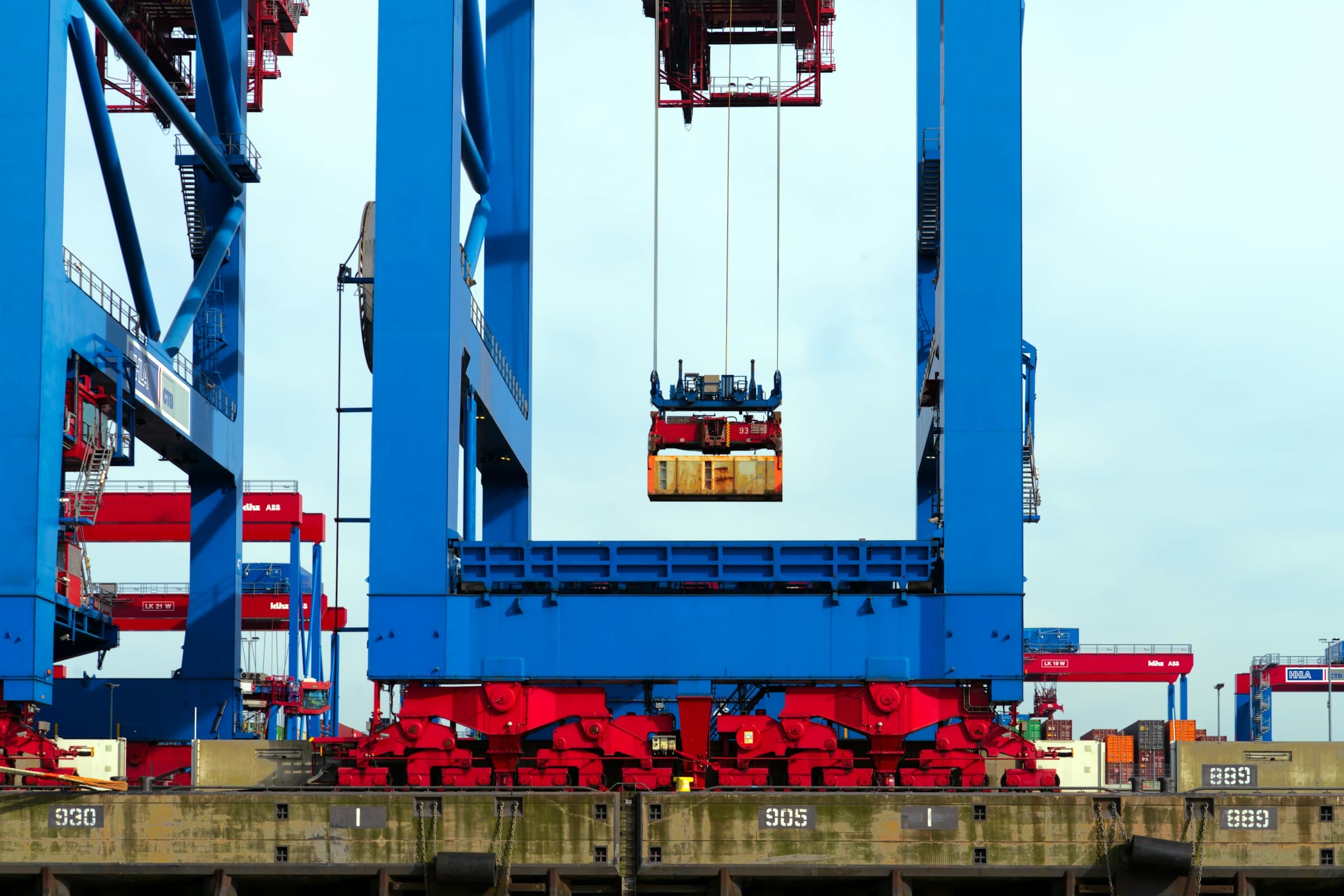
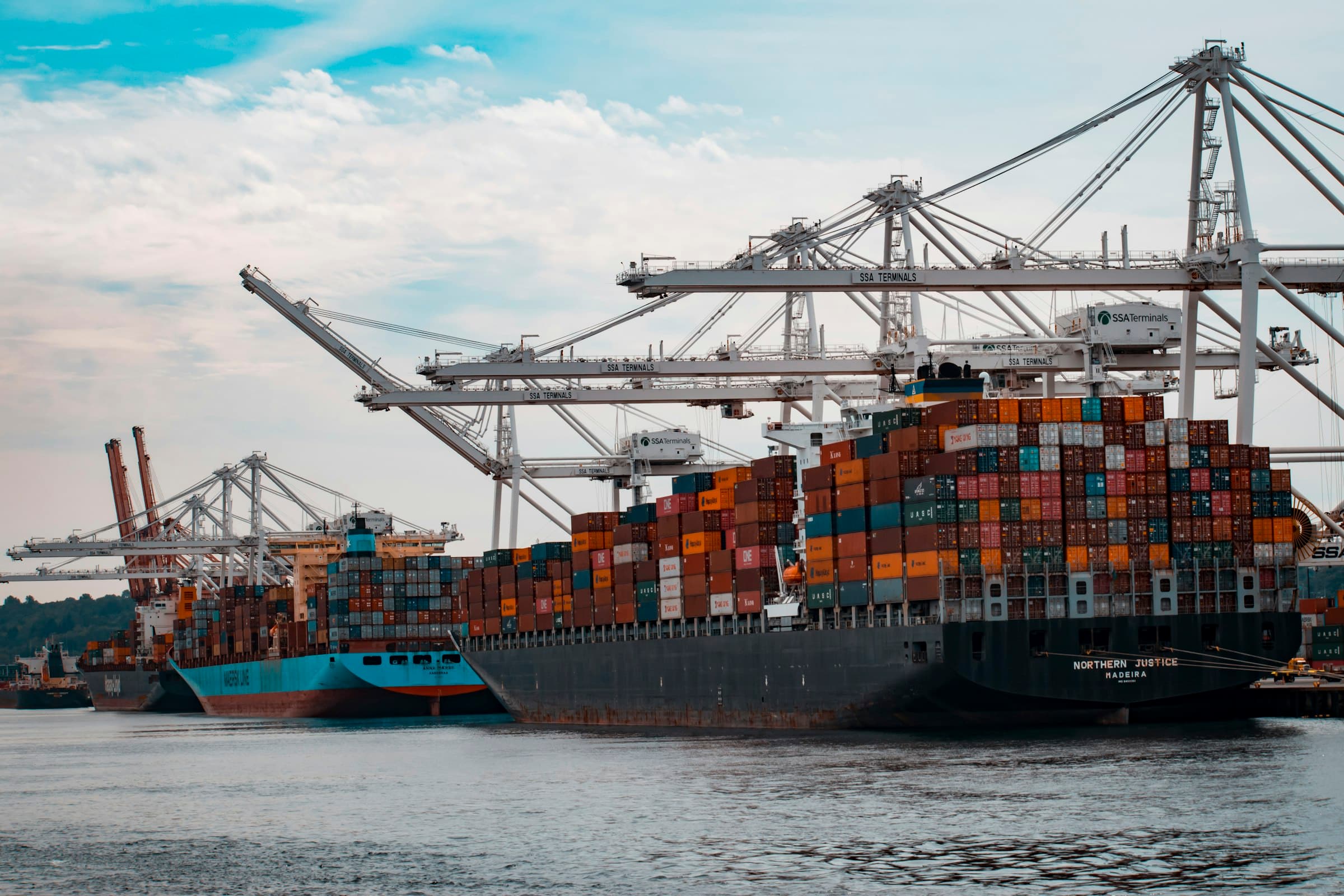
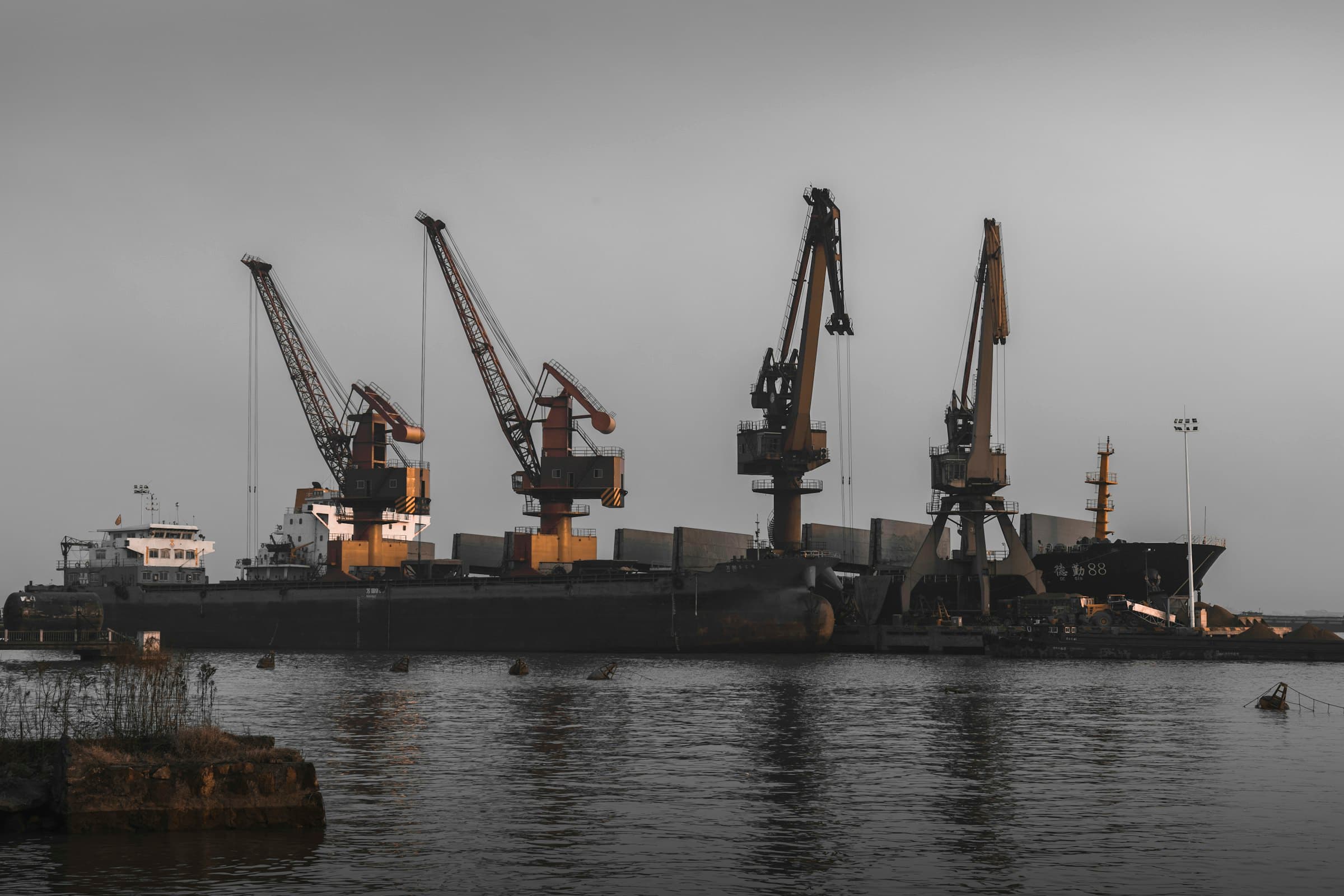
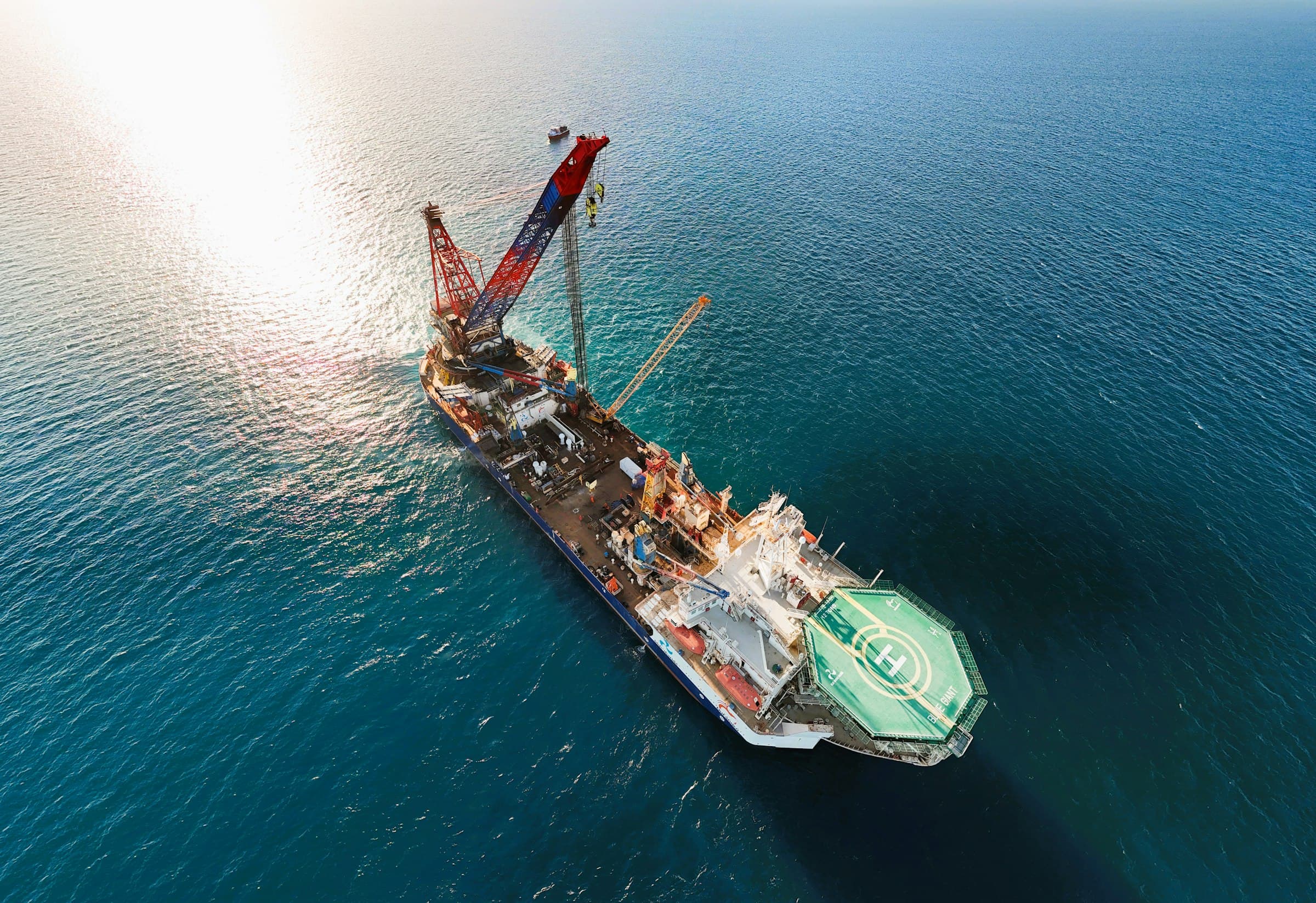
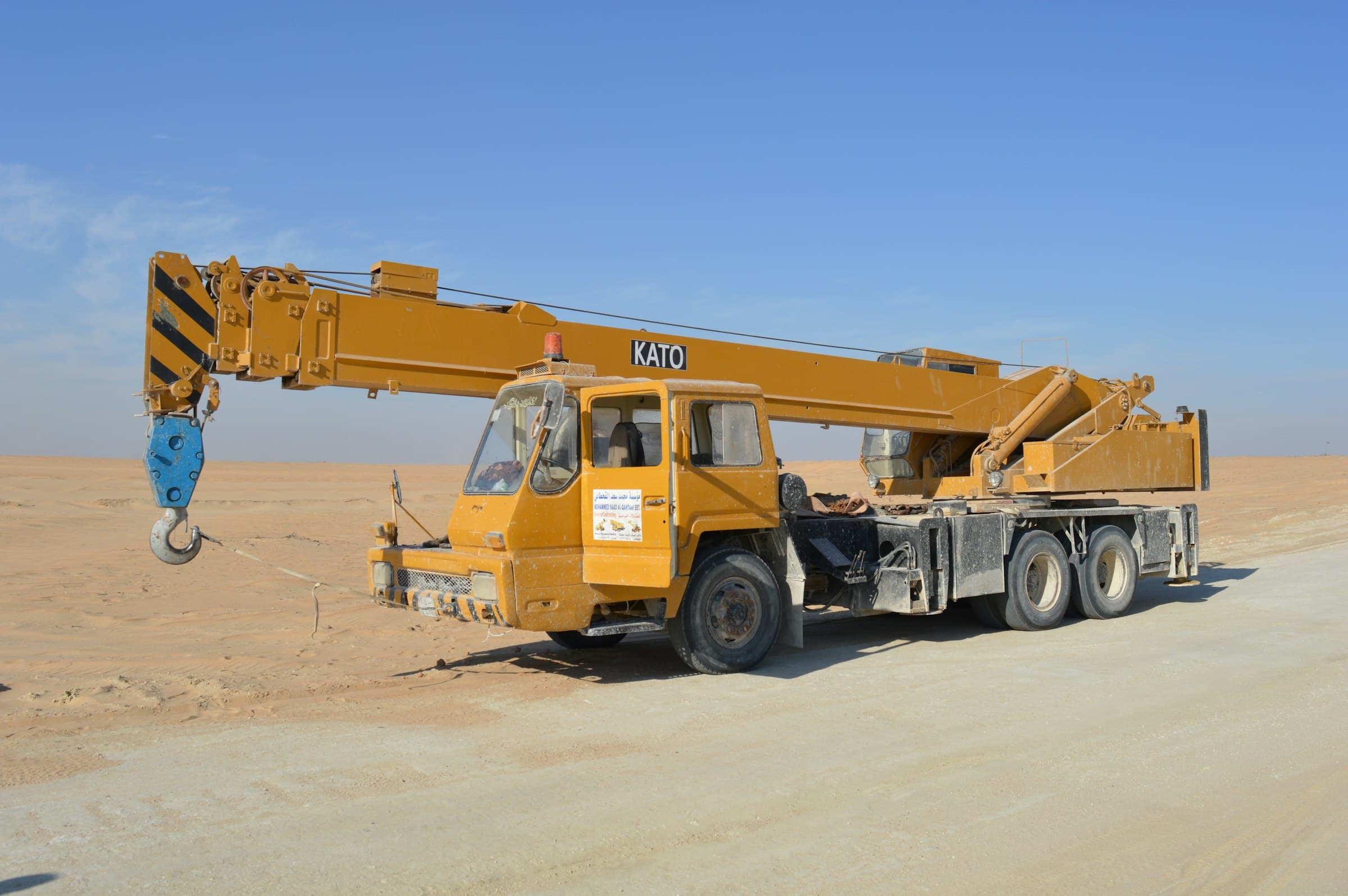
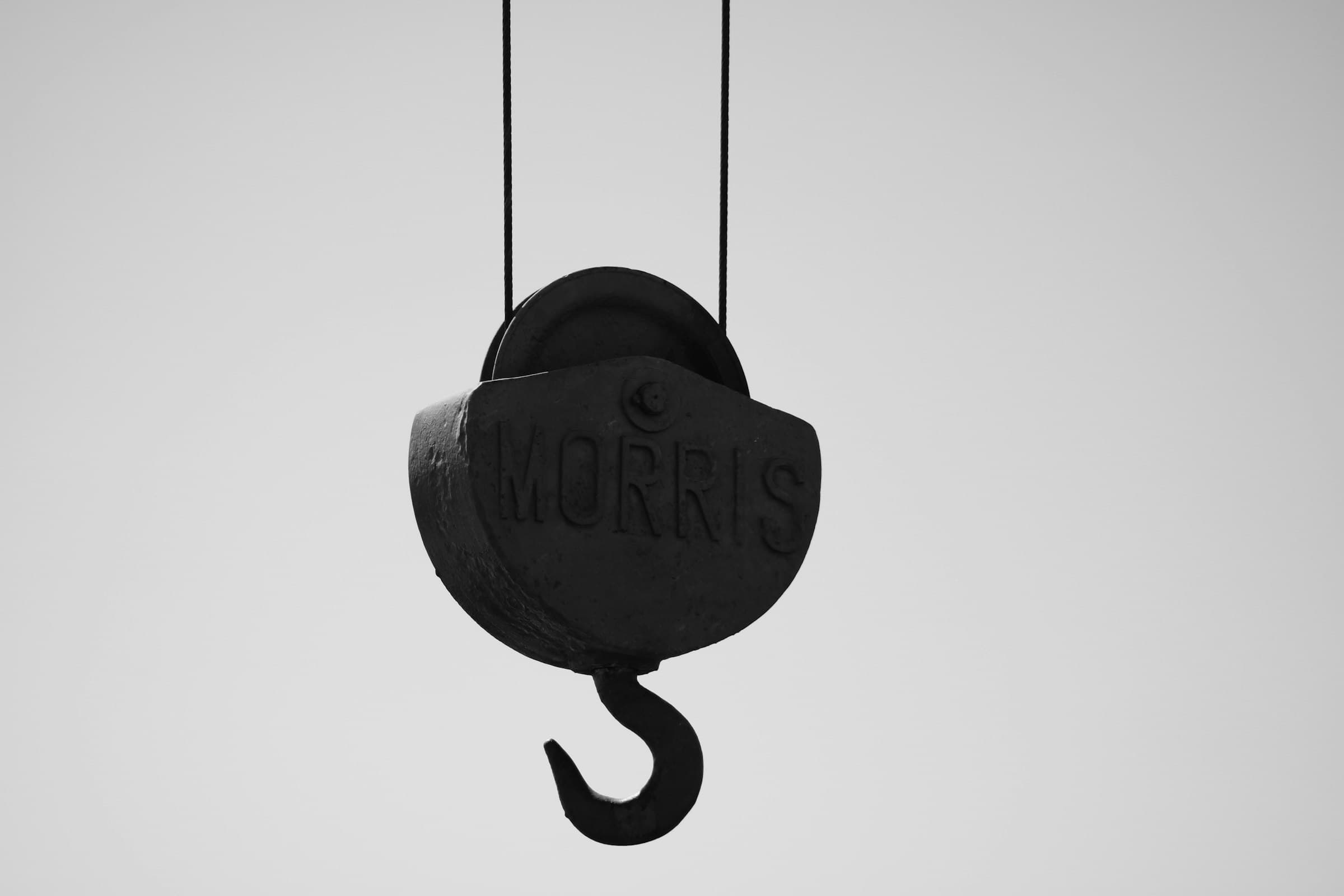
Ports & Marine in the field
From sector context to the lifts we engineer — a look at where this work happens.
The standards we work to.
Engineering rigor in ports and marine is grounded in a standards stack the harbour master + the marine-safety inspector already track. Every Maxor deliverable cites the applicable standards inline.
Transport Canada Marine Safety + Security
Transport Canada governs Canadian marine safety, security, and environmental protection. Cited on every lift plan touching a federal port or a marine asset under TC jurisdiction.
International Ship & Port Facility Security
The ISPS Code governs security at port facilities serving international shipping. Our lift plans document crane mobilization + crew access posture against the facility's ISPS security plan.
Series 1 freight containers — handling + securing
ISO 3874 governs the handling and securing of ISO freight containers. Referenced when lifts interact with container-handling equipment + corner-casting attachment points.
Crane design + classification (FEM)
Fédération Européenne de la Manutention crane-design rules — the classification framework for STS, RTG, and mobile harbour cranes. Referenced as input to component-lift attachment-point selection.
Mobile crane operation + Quebec lift-plan code
ASME B30.5 — mobile crane safety. Norme Z150 — Quebec provincial lift-plan code (Port of Montréal + St. Lawrence terminals). Both cited on every marine lift plan in their jurisdictions.
CSA + port-authority engineering standards
Applicable CSA structural standards + the engineering conditions of the relevant Canada Port Authority (Montréal, Vancouver, Halifax, Québec, Trois-Rivières). Documented per the wharf's published load limits.
Four capability lines. One ports & marine engagement.
Maxor's four service pillars all show up on a typical marine-terminal engagement. Here's how each one earns its place — quay edge to yard.
Sealed plans + emergency response
STS + yard-crane component lifts, mobile-harbour-crane assembly, breakbulk quay lifts. Tide-window-aware contingency matrix ; same-day emergency tier when a crane-down event closes a berth. Z150 / B30.5 cited inline.
Distribution + training + implementation
STS / RTG erection and breakbulk quay lifts modeled in CRANEbee before mobilization. Quay-edge clearance envelopes drawn against actual wharf geometry. Multi-crane tandem rehearsed in 3D — we distribute, train, and implement the platform on Canadian terminals.
Distribution + advisory + training
Dyneema® synthetic chains for the marine environment — saltwater-corrosion-immune, floats on water, surface-preserving on finished hull + equipment. Lighter rigging the crew handles faster on a tide-bounded window. Authorized Quebec distribution.
Deterministic engineering platform
The Maxor software line (Heisen, TensorYard, HullSmith Firewall) provides the audit-grade evidence substrate that Transport Canada + port-authority files consume — sealed audit trails, ISPS-aware access logging, sovereign deployment.
Beyond the four pillars — software built for your operation.
The four service pillars cover the lift. But most terminals carry a software gap the off-the-shelf vendors never close. We build it — custom applications, integrations, and managed services, same engineering posture, same team from kickoff to go-live, sovereign by default. Engineered in Canada, owned by you.
Heisen — our deterministic intelligence layer — is optional on any build: embed it or not, your call. Either way it plugs into a fresh custom app or your existing third-party software via API.
Berth allocation + vessel-scheduling optimizer
Optimizes berth assignment against vessel ETAs, draft, cargo type, and crane availability — squeezing more calls through the same quay length, on an auditable decision trail.
Terminal-operating-system integration layer
A deterministic integration layer tying your TOS, gate system, and yard equipment into one audit-trailed data plane — replacing the brittle point-to-point scripts that break on every upgrade.
Gate + customs workflow automation
Automates gate-in / gate-out, customs clearance, and dangerous-goods documentation — fewer truck-turn delays, a clean audit trail for CBSA + the port authority.
Ports & Marine, answered
Yes — Maxor engineers sealed lift plans for ports, marine terminals, and quayside operations, from heavy-cargo and module transfers to vessel-side picks. Every plan is peer-reviewed and works within port-authority and marine-safety constraints.
Maxor works to Transport Canada Marine Safety, the ISPS Code, ISO 3874, FEM, and ASME B30.5 / CSA Z150, alongside the local port authority's requirements. Every plan is peer-reviewed by a second engineer.
Yes — Maxor plans quayside and vessel-side picks where ground bearing on the wharf and tidal or vessel movement are the hard constraints, using CRANEbee to validate configuration and clearances before mobilization.
Scope your ports & marine engagement.
Tell us the terminal, the equipment, and the tide window. A senior lead responds within one business day with a scoped engagement and a path to first deliverable.