

You haul it.
We engineer the lift.
You move the oversized load down the road — that's your trade. The two moments the cargo is in the air, suspended off a crane onto your transporter at origin and off it again at destination, are ours. A dropped load-out writes off the longest-lead item on the project. A load-in that fouls a confined site stops the move at the last mile. We engineer the crane lift at both ends — load-path-first, sealed before the crane sets up. Single crane to multi-crane tandem.
ASME B30.5
Mobile crane standard, methodology-grade
Z150
Quebec lift-plan code applied to every engagement
24 h
Emergency load-out / load-in lift plans — Canada-wide
0
Load-outs without a sealed plan in hand
Six exposures in the moment the cargo is airborne.
The lift onto and off the transporter is the highest-consequence moment of a heavy-haul move — the only time the cargo hangs off a crane. The exposures below are what a sealed lift plan exists to control. Every Maxor deliverable in this vertical addresses them explicitly.
Cargo write-off
The transformer, the vessel, the prefab module is often the longest-lead, highest-value item on the project. A dropped load-out or load-in isn't a delay — it's a re-order with a 12-18 month lead time. The lift plan exists to make that impossible.
The handoff is the high-risk moment
Most of a heavy-haul move is on wheels at low speed. The danger concentrates in the seconds the load is suspended — picked off the laydown, swung to the transporter deck, set down. That window is exactly what we engineer.
Crane catastrophic failure
An over-capacity pick, a miscalculated radius, a boom past its chart : tip-over or boom collapse is a fatality-class event. Capacity utilization is documented per pick ; anything above 90% triggers a re-spec or a bigger crane.
Ground bearing at the crane setup
The crane concentrates its full load + counterweight onto outrigger pads. Soft ground at the laydown or the destination site fails under the crane, not the cargo. Outrigger-reaction + mat sizing is engineered — geotechnical input client-supplied, we consume it.
Lift window inside the transport schedule
The crane lift has to land inside the carrier's permit + escort window. A load-out that overruns cascades to the whole move. The lift plan is engineered against the fixed transport schedule, not the other way around.
Lift-point + attachment integrity
Oversized cargo often ships with purpose-built lift lugs or non-standard attachment points. We verify the attachment against the load + rigging geometry before the pick — a lug failure mid-lift is the same outcome as a dropped load.
Six crane-lift archetypes. Both ends of the move.
Maxor's role in a heavy-haul move is the crane lift — at origin and at destination. Each archetype has its own load-case profile and rigging geometry. The methodology adapts ; the rigor doesn't. The carrier runs the road in between.
Crane load-out onto the transporter
Crane lift of the cargo off the laydown or fabrication bed onto the multi-axle trailer or transporter deck. Lift envelope, rigging, and capacity utilization engineered. The pick that starts the move.
Crane load-in at destination
Crane lift of the cargo off the transporter onto its foundation, plinth, or set-point at site. Set-radius geometry, swing arc, final-position tolerance. The pick that ends the move.
Tandem-crane lift for the heaviest loads
Two cranes lifting one load when no single crane has the capacity at radius. Load-share per crane, sync sequence, level-pick coordination. Modeled in CRANEbee before the lift. Second engineer signs.
Multi-crane upending + turning
Long or flexible cargo rotated from horizontal to vertical (or turned end-for-end) in the air using two or more cranes — tailing crane + main crane handoff. The most geometry-sensitive lift in the catalogue.
Confined-site load-in
Destination with a restricted footprint — urban infill, live plant, tight foundation access. Swing arc + obstruction clearance plotted against the actual site. CRANEbee 3D where the geometry is unforgiving.
Truck / rail / barge transfer lift
Crane lift of the cargo between transport modes — truck to rail car, truck to barge deck, rail to laydown. We engineer the crane pick ; the deck-loading + securement on the receiving mode is the carrier's scope.
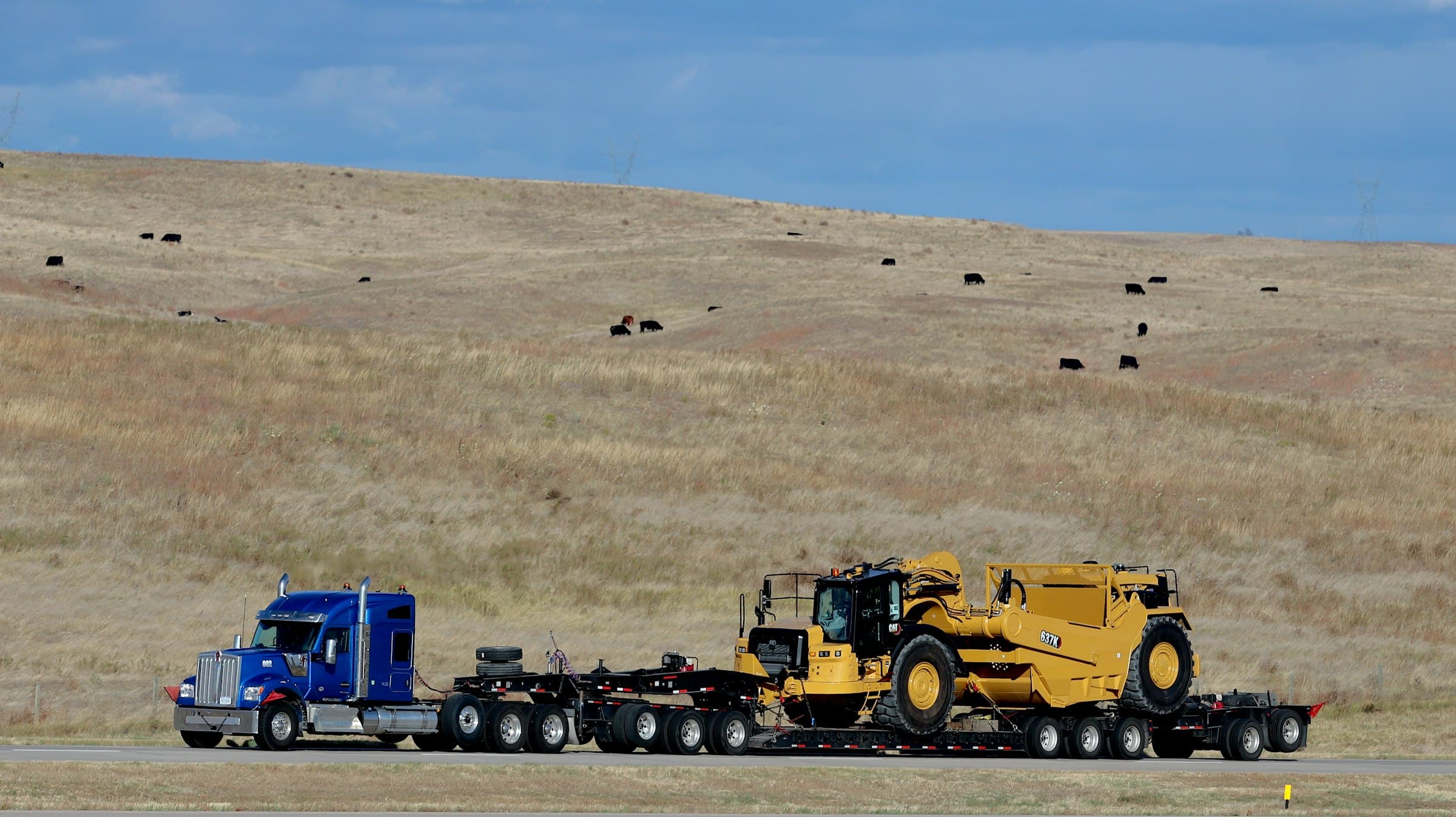
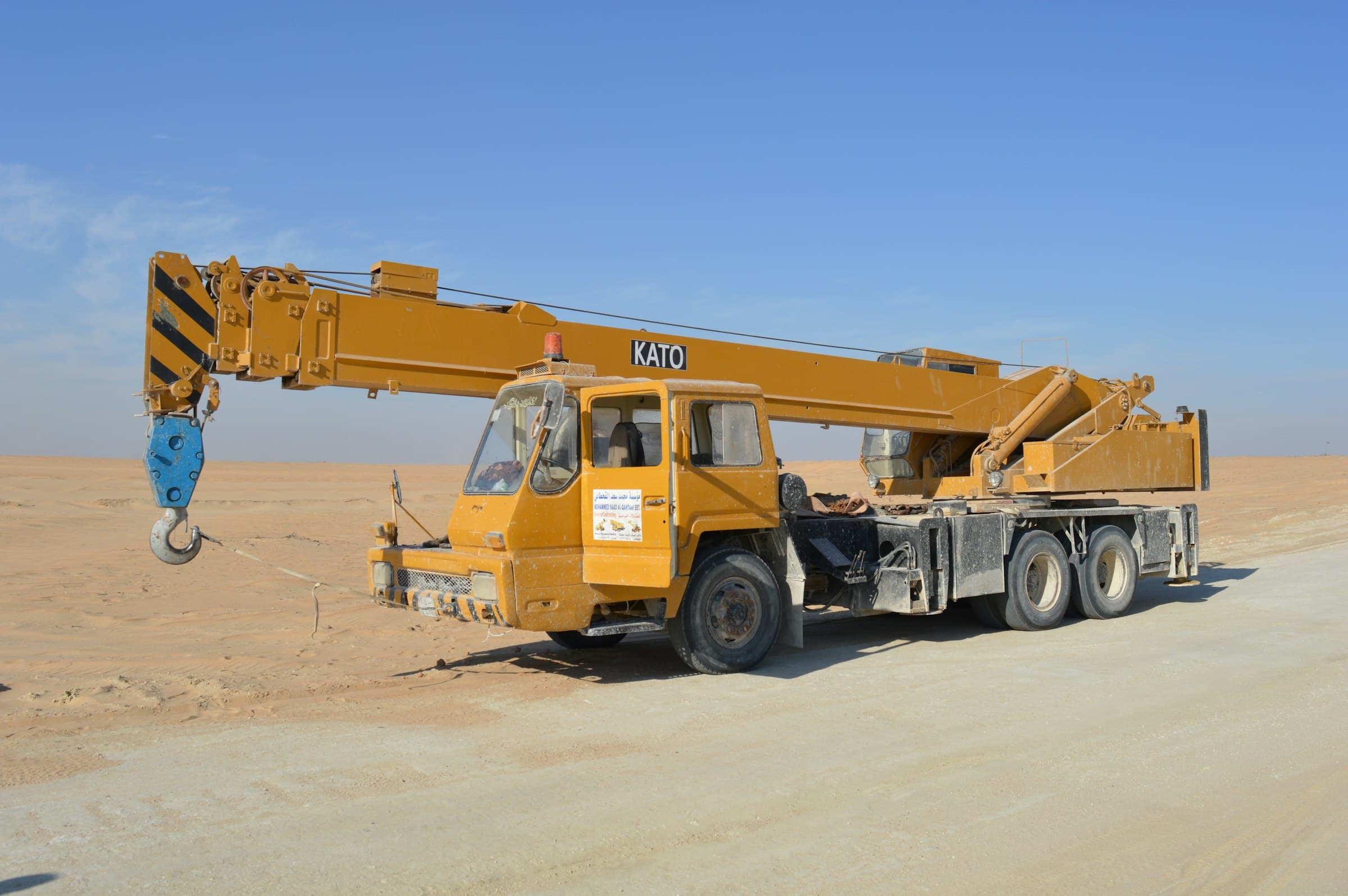
Specialized Transport in the field
From sector context to the lifts we engineer — a look at where this work happens.



Crane and rigging standards.
The lift is the scope, so the standards are crane and rigging standards — cited inline, every capacity figure traceable to the manufacturer chart. Route and bridge codes belong to the carrier's engineer.
Mobile and locomotive cranes
The mobile crane safety standard. Governs load charts, capacity, setup, and operation. Cited on every load-out + load-in lift plan as the methodology baseline.
Mobile crane safety + Quebec lift-plan code
The Canadian mobile crane standard ; in Quebec, Norme Z150 is the provincial lift-plan code. Cited on every engagement in its jurisdiction.
Slings
Governs sling selection, rating, and inspection — wire-rope, chain, synthetic. Cited on the rigging spec of every lift, sizing each leg against the load + safety factor.
Rigging hardware
Governs shackles, links, rings, and connecting hardware. Cited on the rigging assembly — every component rated to the load it carries.
Crane operator qualification
The qualification + certification standard for mobile crane operators. Referenced in the operator-brief section of the lift plan so the right ticket runs the pick.
Manufacturer load charts
The crane's published capacity at radius, boom length, and configuration. The authoritative source — every capacity-utilization figure in our plans traces back to the manufacturer chart.
Four capability lines. One specialized-transport engagement.
Maxor's four service pillars all show up on the crane-lift portion of a heavy-haul move. Here's how each one earns its place — load-out to load-in.
Sealed plans + emergency response
Load-out + load-in lift plans, single-crane to multi-crane tandem and upending. Same-day emergency tier when a lift conflict halts a permit-window move. Capacity utilization documented per pick ; Z150 / B30.5 cited inline.
Distribution + training + implementation
Tandem-crane, upending, and confined-site load-ins modeled in CRANEbee before the crane sets up. Swing arc + obstruction clearance drawn against actual site geometry. We distribute, train, and implement the platform on Canadian transport projects.
Distribution + advisory + training
Dyneema® synthetic chains for the load-out + load-in lift — lighter rigging the crew handles faster against a fixed permit window, surface-preserving on finished modules + transformers. Authorized Quebec distribution.
Deterministic engineering platform
The Maxor software line (Heisen, TensorYard, HullSmith Firewall) provides the audit-grade evidence substrate behind the sealed lift plans — recallable lift records, capacity-utilization provenance, sovereign deployment.
Beyond the four pillars — software built for your operation.
The four service pillars cover the lift. But most heavy-haul operators carry a software gap the off-the-shelf vendors never close. We build it — custom applications, integrations, and managed services, same engineering posture, same team from kickoff to go-live, sovereign by default. Engineered in Canada, owned by you.
Heisen — our deterministic intelligence layer — is optional on any build: embed it or not, your call. Either way it plugs into a fresh custom app or your existing third-party software via API.
Fleet + permit-lifecycle management
Tracks every transporter, escort, and permit through its lifecycle — renewal dates, route restrictions, axle configurations, jurisdiction conditions — in one platform instead of a permit binder.
Load-tendering + dispatch optimization
Matches incoming heavy-haul tenders to fleet capacity and crew availability — so the dispatcher quotes from data, not gut, with the margin defensible after the fact.
Cargo-tracking + delivery-status platform
Real-time cargo location, milestone status, and proof-of-delivery for the client — one portal replacing the phone-call-and-spreadsheet status chase across a multi-week move.
Specialized Transport, answered
Yes — Maxor engineers sealed lift and transfer plans for oversized and heavy transport, from load-in and load-out to jacking, skidding, and crane transfers. Every plan is peer-reviewed before issue.
Maxor works to ASME B30.5, CSA Z150 and Z150.3, and ASME B30.9 / B30.26, cross-checked against the crane's load charts. Every plan is peer-reviewed by a second engineer.
Yes — Maxor plans the full transfer sequence — jacking, skidding, and crane picks — where route, ground bearing, and clearance are the binding constraints, using CRANEbee to validate the crane transfers before mobilization.
Scope your load-out + load-in lift.
Tell us the cargo, the origin, the destination, and the transport window. A senior lead responds within one business day with a scoped lift engagement and a path to first deliverable.