Where the system
can't go down.
Critical infrastructure doesn't get a maintenance window the way a factory does — the data center stays online, the water plant keeps flowing, the hospital keeps admitting. When a chiller, a transformer, a generator, or a pump has to be lifted into a running facility, the lift happens around a system that can't stop. We engineer that lift — live-site, security-cleared, sealed before mobilization. The operator runs the system ; we move the heavy thing into place.
ASME B30.5
Mobile crane standard, methodology-grade
Z150
Quebec lift-plan code applied to every engagement
24 h
Emergency lift plans — live critical sites
0
Live-site lifts without a sealed plan in hand
Six exposures when the facility can't stop.
A lift into a live critical facility carries an exposure most industrial lifts don't : the system underneath stays running. The exposures below are what the sealed lift plan exists to control. Every Maxor deliverable in this vertical addresses them explicitly.
Service-continuity failure
A dropped load or a struck line in a live facility doesn't just damage equipment — it takes down the service. A data-center outage, a water-supply interruption, a hospital power loss : the lift incident becomes a public-impact event.
Live-system proximity
The lift happens over or beside running equipment — energized switchgear, pressurized lines, fibre trunks. The contingency matrix maps every live system in the lift radius and the keep-clear it demands.
Crane catastrophic failure
Over-capacity pick, miscalculated radius, boom past its chart : tip-over or boom collapse near a critical facility is a fatality-class event with a service-outage tail. Capacity utilization documented per pick.
Security + access clearance
Critical facilities operate under access-control regimes — NERC CIP physical security, federal Transport Security Regulations, site-specific clearance. Crane mobilization + crew access are documented against the operator's security plan from G2 Scope.
Ground bearing in the built environment
Urban + campus critical sites mean crane setup on slabs, podium decks, over buried utilities or below-grade structures. Outrigger-reaction + mat sizing engineered against the as-built — geotechnical + structural input client-supplied.
Lift window inside an uptime SLA
The facility carries an uptime commitment. The lift has to land inside a planned-maintenance or redundancy window — the moment one side of an N+1 system is offline. The lift plan is engineered against that fixed window.
Six lift archetypes. Into the live facility.
Critical-infrastructure lifts cluster into recurring engineering patterns — almost always into or beside a running system. Each archetype has its own load-case profile and clearance geometry. The methodology adapts ; the rigor doesn't.
Chiller, generator + UPS equipment lifts
Rooftop chiller + CRAH placements, standby-generator sets, UPS battery strings, transformer skids. Lifts over a live data hall — clearance over the roof membrane + structural load limits documented. Redundancy-window timed.
Pump, blower + clarifier equipment
Vertical-turbine pumps, blowers, clarifier mechanisms, digester equipment. Lifts into a running treatment plant. Confined wet-well access + over-tank clearance plotted against the as-built.
Transformer + switchgear placements
Substation transformers, gas-insulated switchgear, breakers — placed beside energized equipment. Energized-clearance envelopes documented. Outage coordination with the utility in the contingency matrix.
Tower-top + rooftop equipment
Antenna, microwave dish, and equipment-cabinet placements on towers and rooftops. Rooftop access on live facilities. Crew + crane staging around continuous broadcast / network operations.
Hospital plant + imaging equipment
Chillers, boilers, generators, and large imaging units (MRI, CT) lifted into a running hospital. Vibration + access constraints around patient areas. Lift staged around clinical operations, never through them.
Confined-site + over-structure lifts
Equipment lifted into tight urban critical sites — over an occupied building, between structures, onto a podium deck. Swing arc + obstruction clearance plotted against the actual site. CRANEbee 3D where the geometry is unforgiving.
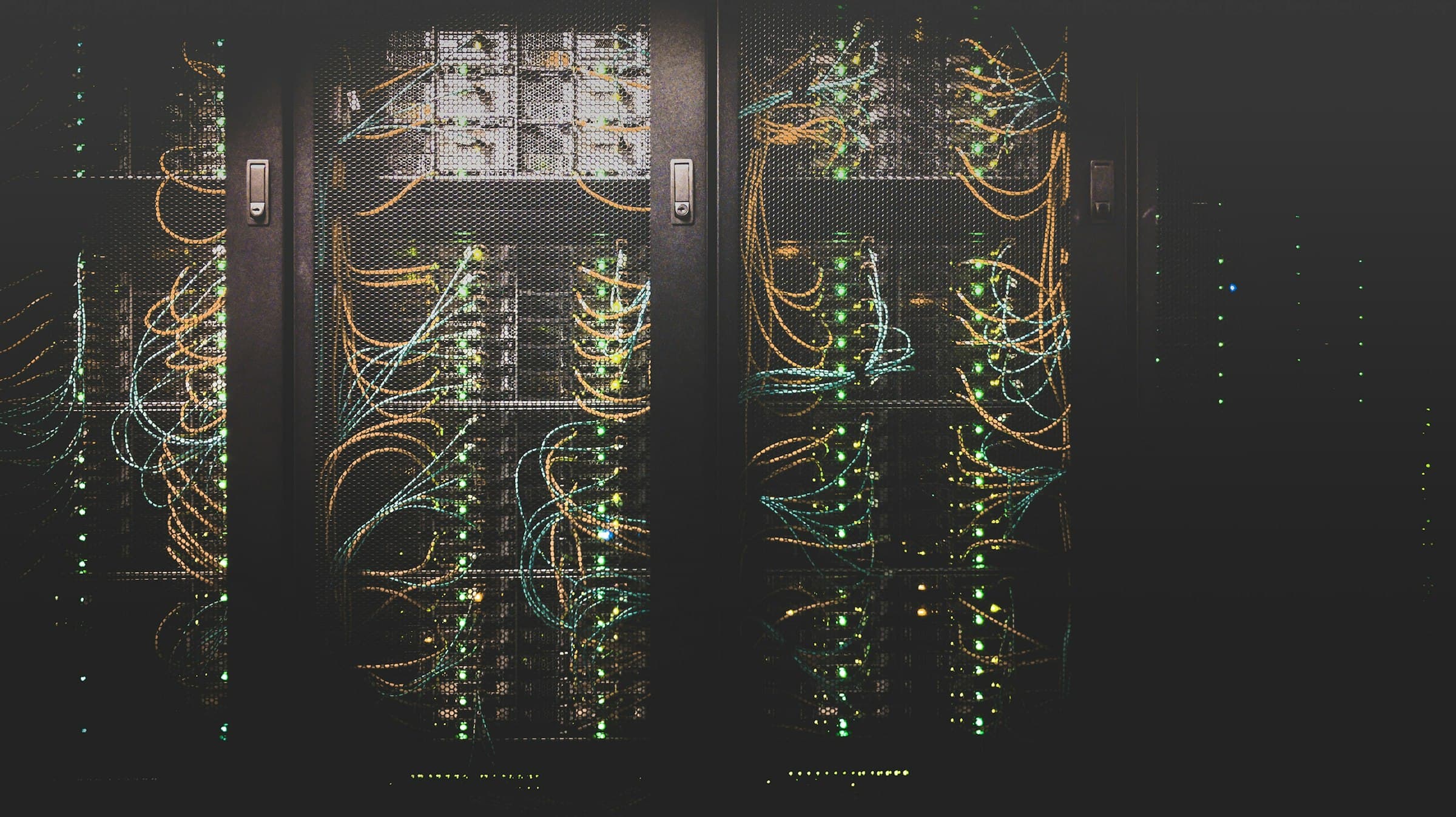
Critical Infrastructure in the field
From sector context to the lifts we engineer — a look at where this work happens.


The standards we work to.
The lift is our scope, so the standards we cite are crane + rigging standards. We note the operator's security + reliability regime for access posture — but the system's own engineering codes belong to the operator, not to us.
Mobile and locomotive cranes
The mobile crane safety standard — load charts, capacity, setup, operation. Cited on every critical-infrastructure lift plan as the methodology baseline.
Mobile crane safety + Quebec lift-plan code
The Canadian mobile crane standard ; in Quebec, Norme Z150 is the provincial lift-plan code. Cited on every engagement in its jurisdiction.
Slings + rigging hardware
Governs slings, shackles, links, and connecting hardware. Cited on the rigging spec of every lift — each component rated to the load it carries.
Physical security of critical cyber assets
Where a lift touches a bulk-electric-system facility, NERC CIP-006 physical-security requirements govern crane + crew access. We document the access posture — we don't author the CIP program.
Transport Security Regulations + site access
Federal Transport Security Regulations + site-specific clearance regimes govern crew access at secured critical facilities. The lift plan documents the mobilization + access posture against the operator's security plan.
Manufacturer load charts
The crane's published capacity at radius, boom length, and configuration. Every capacity-utilization figure in our plans traces back to the manufacturer chart.
Four capability lines. One critical-infrastructure engagement.
Maxor's four service pillars all show up on a live-facility lift. Here's how each one earns its place — into the running system.
Sealed plans + emergency response
Live-site equipment lifts, single-crane to multi-crane tandem, timed to redundancy + maintenance windows. Same-day emergency tier when a failed unit threatens service continuity. Capacity utilization per pick ; Z150 / B30.5 cited inline.
Distribution + training + implementation
Over-structure and confined-urban lifts modeled in CRANEbee before the crane sets up. Swing arc + live-system keep-clear drawn against actual site geometry. We distribute, train, and implement the platform on Canadian projects.
Distribution + advisory + training
Dyneema® synthetic chains for lifts near energized switchgear where steel conductivity is a hazard, and over finished facility surfaces where steel marking is unacceptable. Lighter rigging in tight rooftop + plant-room access. Authorized Quebec distribution.
Deterministic engineering platform
The Maxor software line (Heisen, Maxor Audit, Maxor Ground) provides the audit-grade evidence substrate behind the sealed lift plans — recallable lift records, access-posture provenance, sovereign deployment.
Beyond the four pillars — software built for your operation.
The four service pillars cover the lift. But most critical-infrastructure operators carry a software gap the off-the-shelf vendors never close. We build it — custom applications, integrations, and managed services, same engineering posture, same team from kickoff to go-live, sovereign by default. Engineered in Canada, owned by you.
Heisen — our deterministic intelligence layer — is optional on any build: embed it or not, your call. Either way it plugs into a fresh custom app or your existing third-party software via API.
Maintenance-window scheduling + uptime tracking
Schedules equipment work against redundancy windows and SLA commitments — so a chiller swap lands when the N+1 spare carries the load, never when the facility is exposed.
Asset registry + lifecycle dashboard
A single registry of critical plant assets — install date, warranty, inspection history, replacement lead time — so the next failure is a planned swap, not a 3 a.m. scramble.
Access-control + compliance evidence platform
Tracks crew clearance, access logs, and security-regime evidence (NERC CIP, TSR) into one auditable record — the file the regulator + the security auditor ask for, generated continuously.
Scope your critical-infrastructure lift.
Tell us the facility, the equipment, and the uptime window. A senior lead responds within one business day with a scoped lift engagement and a path to first deliverable.