Where the tonnage
doesn't tolerate noise.
Mining operations don't run on guesses. A halted shovel costs $80-150 K per shift. A dropped dragline counterweight ends careers, projects, and permit applications. A mill-module install slipping past the planned tie-in window cascades across the entire project schedule. We engineer the lift plans for that exposure — open-pit to shaft, primary crusher to filter press. Standards cited inline, sealed before the crane rolls.
CSA M421
Canadian mining safety reference applied
ISO 17757
Autonomous mining machinery — referenced
24 h
Emergency lift plans — Canadian mine sites
0
Operator briefings without a sealed plan in hand
Six exposures every mine plan must answer.
Mining engineering is risk arithmetic across kilometers of pit and meters of shaft. The exposures below are the line items that show up on every project's risk register — and on every regulator's annual review. Each Maxor deliverable in this vertical addresses them explicitly.
Production halt cost
$80-150 K per shift for a major shovel down. $250 K+ per day for a mill stoppage at concentrator scale. The lift plan is rarely the bottleneck — but when it is, it's the most expensive bottleneck in the operation.
Worker safety — surface + underground
Struck-by, crushing, fall-from-height, confined-space exposure. Each incident triggers provincial inspector notification (CNESST in Quebec, MOL Ontario, BC OHS), insurance reserve hit, and a project-wide stand-down. The plan exists to make these impossible.
Tailings + water — ECCC reportable
Failed mill-component lift over an active TSF, dropped equipment into a polishing pond, hydraulic release on a haul road : MMER reportable events. ECCC monitors closely. The lift plan's contingency matrix is the document that proves you saw it coming.
Permit + regulator memory
Provincial ministry, ECCC, MMER inspector, ICMM signatories — every Canadian mining regulator has institutional memory. A poorly-engineered lift becomes the file that follows your next amendment application. Sealed deliverables — every time.
Schedule + capex on capital projects
Mine-build capital projects carry $millions per week in carrying cost. A re-spec triggered by a discovered geometry conflict or as-built mismatch is 1-3 weeks. Engineering catches conflicts in CRANEbee 3D before the crane mobilizes — not after.
ICMM + ESG audit posture
ICMM Mining Principles + Towards Sustainable Mining (TSM) audits track engineering rigor as one of the substantive ESG signals. The lift plan is part of the assurance file — not just the project file.
Six operation archetypes. Standard methodology, every one.
Mining operations cluster into recurring engineering patterns. Each archetype has its own load-case profile, regulatory framing, and deliverable shape. The methodology adapts ; the rigor doesn't.
Shovel + truck + dragline maintenance lifts
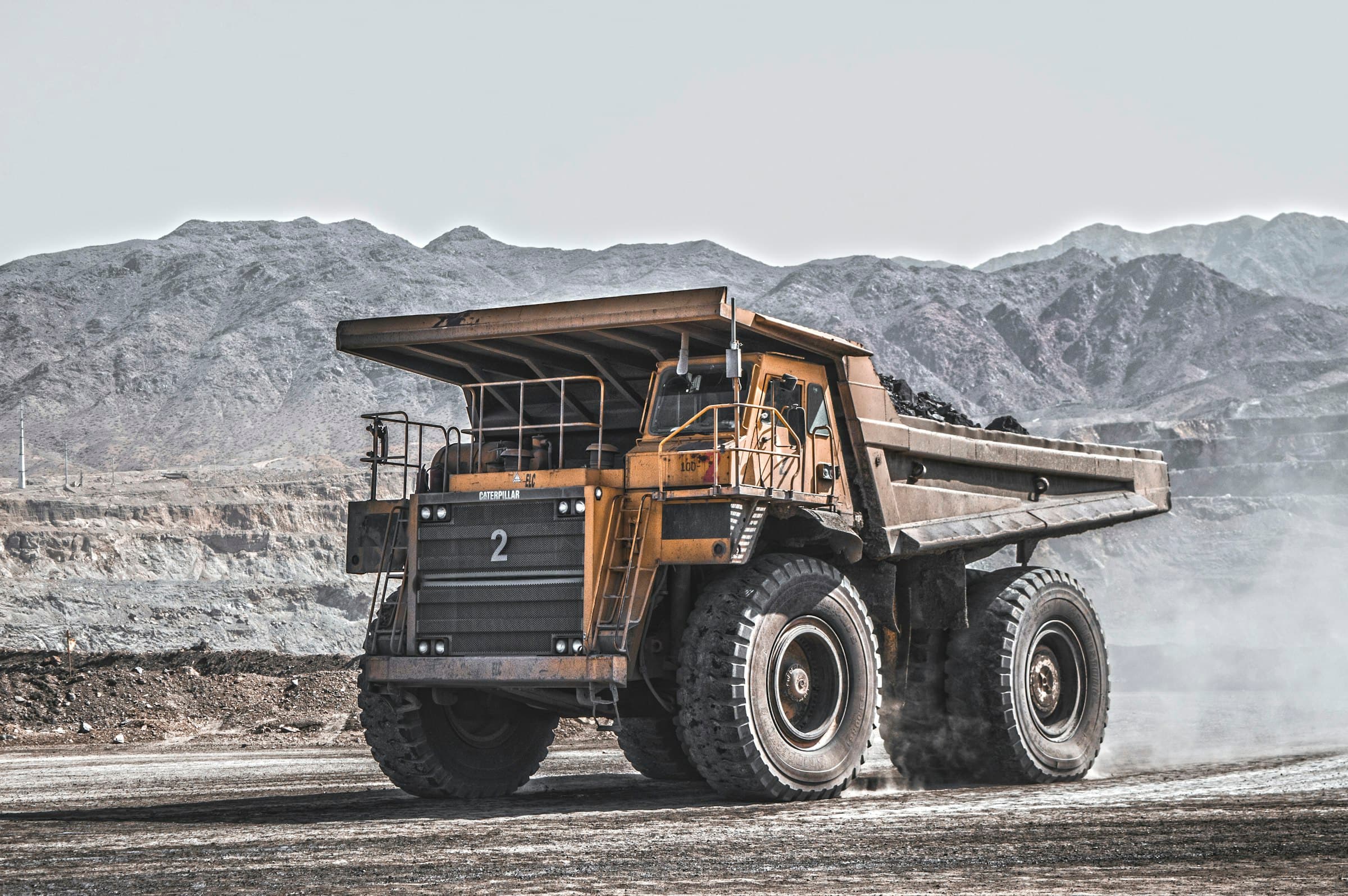
Shovel propel-frame, bucket, swing-circle replacements. Haul-truck frame swaps, suspension struts, engine pulls. Dragline assembly + counterweight handling. Mobile-crane access on rough pit roads ; ground-bearing analysis on prepared pads.
Shaft + headframe equipment
Headframe sheave-wheel installs, skip and cage replacements, hoist-house gear changes, ventilation-shaft equipment. Confined-site lifts in active mine yards. Cold-weather lift envelopes for northern operations.
Primary crusher + mill module installs
Gyratory and jaw crusher replacements, SAG / ball mill component lifts, motor and trunnion handling. Modular mill builds with prefab SPMT-to-crane handoff. CRANEbee 3D mandatory before mobilization.
Overland conveyor + transfer-tower equipment
Drive-pulley + tail-pulley installs, take-up + tensioner components, transfer-tower steel and chutes. Tandem-crane operations on tight transfer-station footprints.
Tailings + water-treatment equipment
Thickener mechanisms, filter-press lifts, pump and valve installs at TSF inlets / outlets. Engineered to avoid exposure to active tailings line of fire. Contingency matrix written against MMER reportable thresholds.
Mine-build + expansion + relocations
Equipment delivery to greenfield builds, brownfield-expansion ties to live operations, mine-life-extension equipment relocations. Multi-stakeholder coordination — contractor + operator + regulator + community.
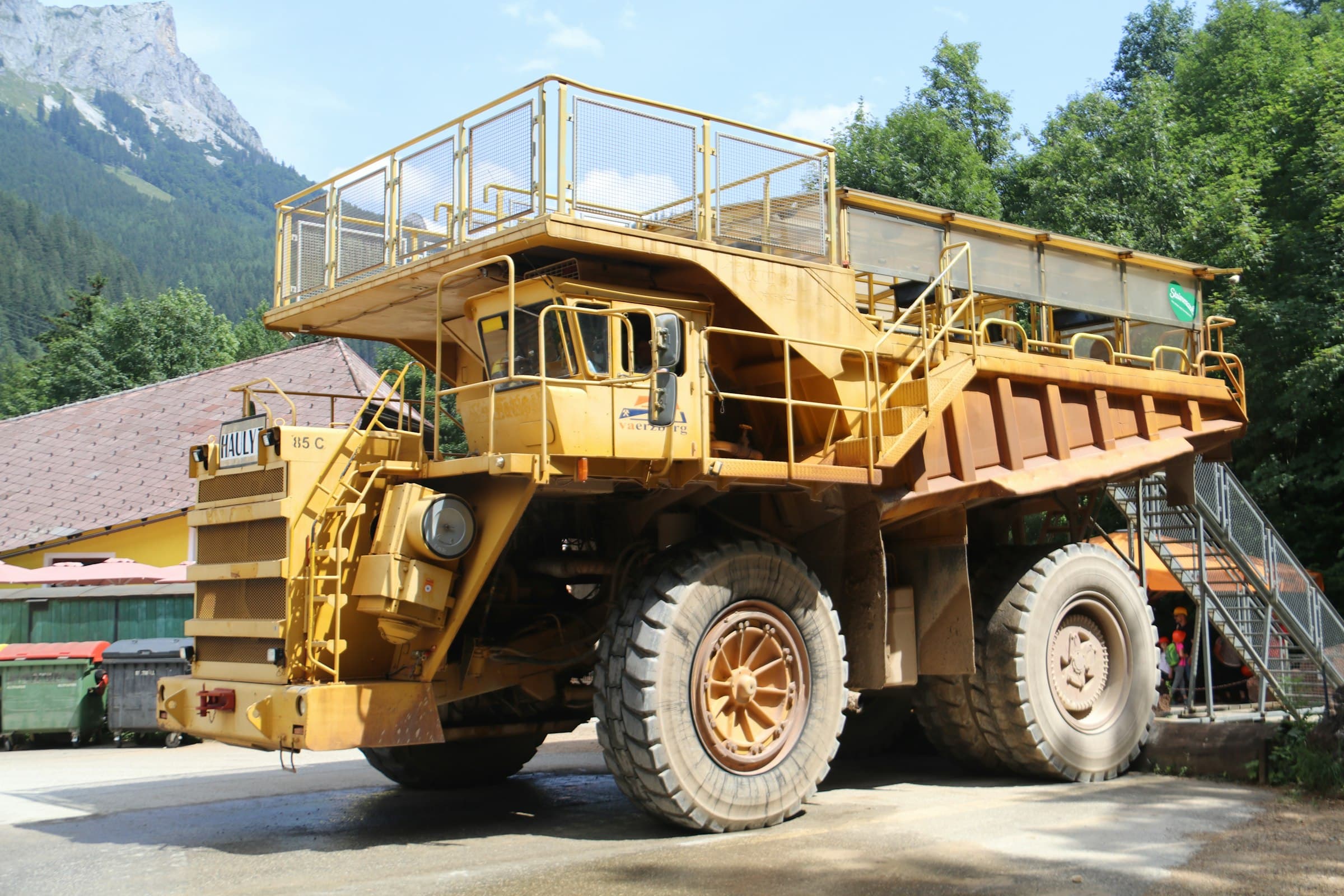
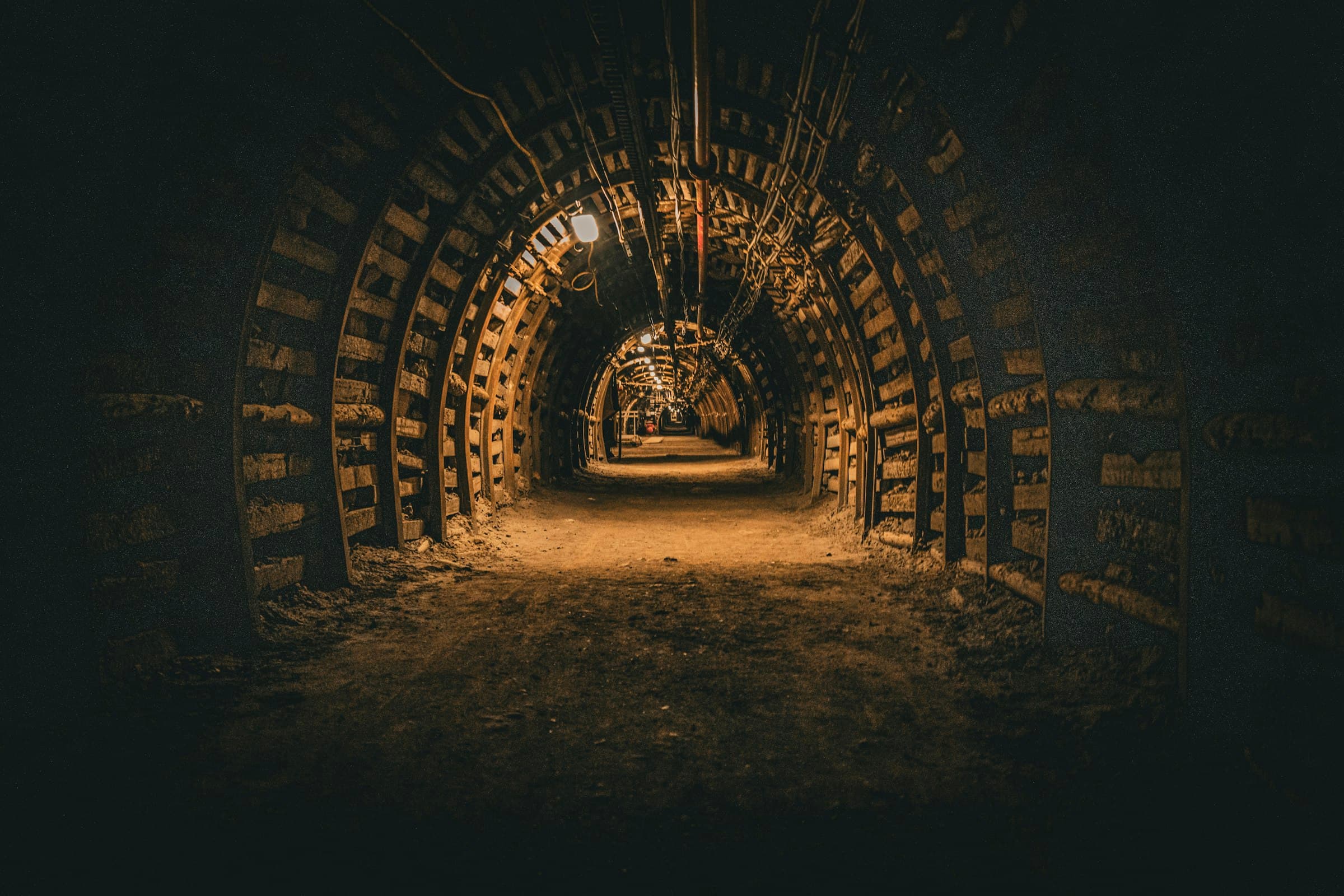
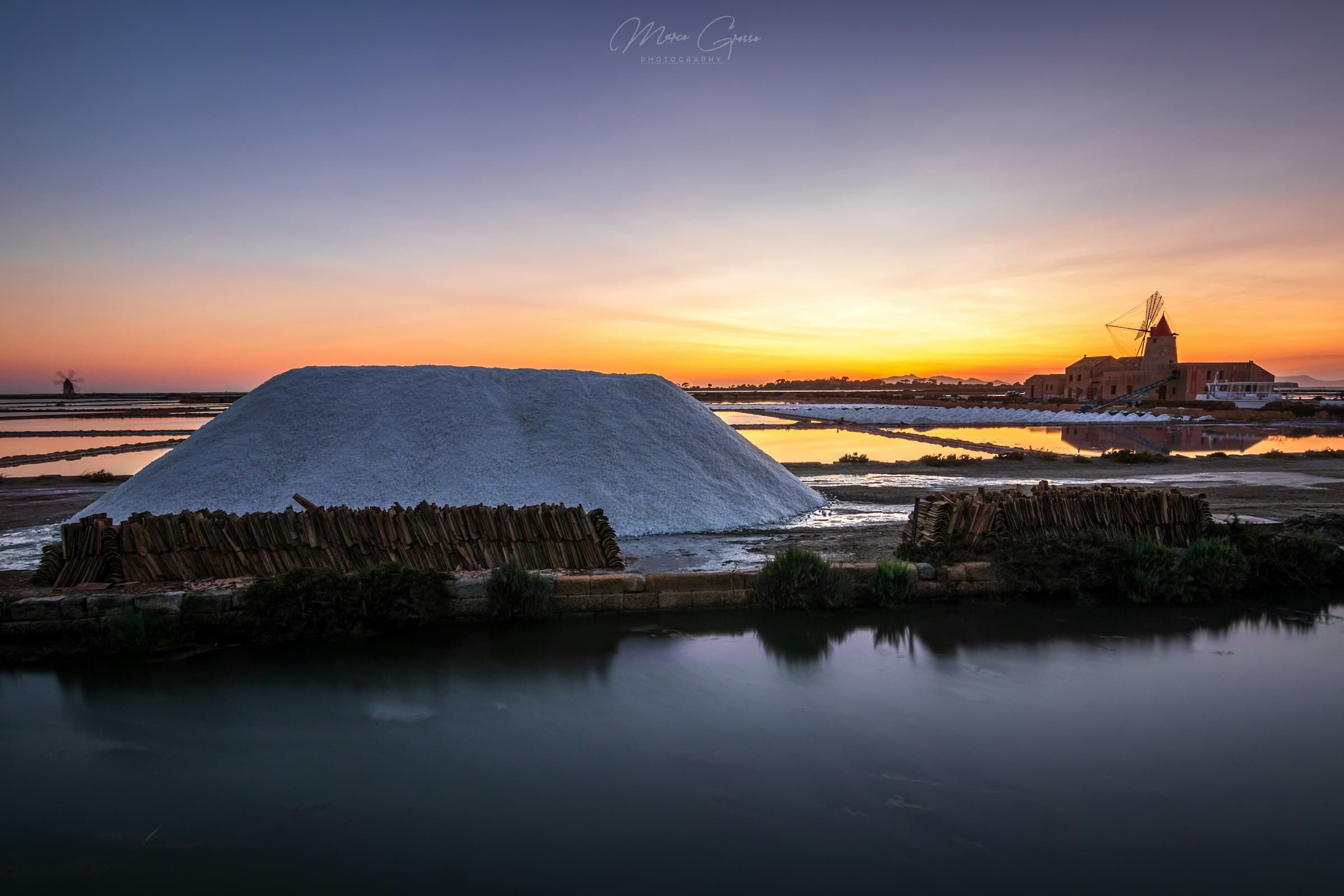
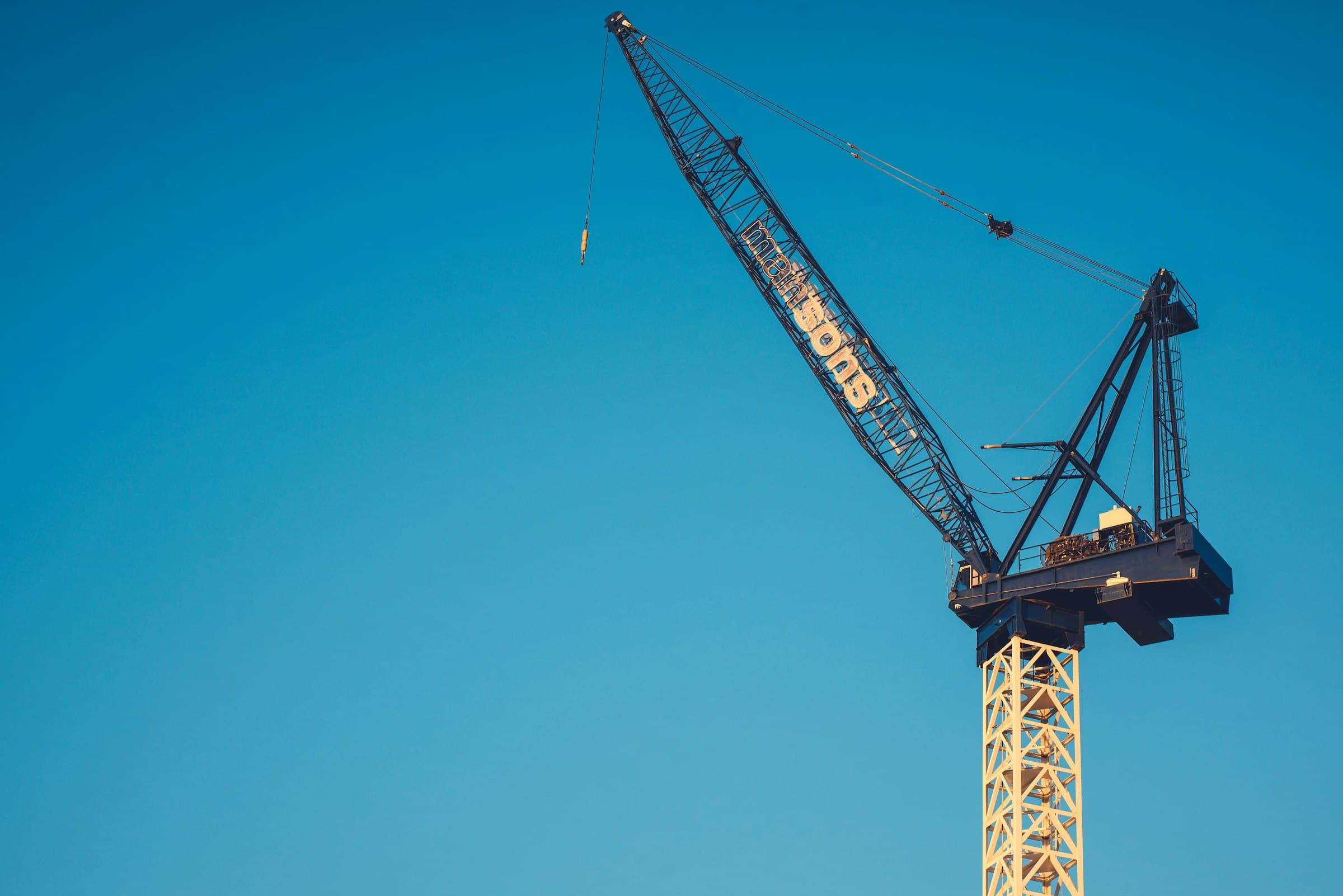
Mining in the field
From sector context to the lifts we engineer — a look at where this work happens.
The standards we work to.
Engineering rigor in mining is grounded in a documented standards stack — provincial, federal, and industry-association. Every Maxor deliverable cites the applicable standards inline. These are the ones that govern a mine-site lift.
Use of electricity in mines
Canadian standard for electrical equipment and installations in mines and mineral processing plants. Cited on every lift that interacts with energized equipment underground or in concentrator buildings.
Earth-moving machinery — autonomous + semi-autonomous
Functional safety standard for autonomous and semi-autonomous earth-moving and mining machinery. Cited when planning lifts adjacent to autonomous haul-truck fleets.
Provincial mine regulations (Quebec + Ontario)
Quebec RSST (sécurité dans les mines) ; Ontario Regulation 854 (Mines and Mining Plants under OHSA). Both cited on every plan we ship in their respective jurisdictions.
Mobile crane operation + Quebec lift-plan code
ASME B30.5 — mobile crane safety. Quebec Norme Z150 — provincial lift-plan code. Both cited on every mining lift plan we ship.
Metal and Diamond Mining Effluent Regulations
Federal Fisheries-Act regulation governing effluent from Canadian metal and diamond mines. We don't author MMER reports — we plan to avoid the events that trigger them.
Mining Principles + Towards Sustainable Mining
ICMM Mining Principles (international) and TSM (Mining Association of Canada). The engineering posture our lift plans embed aligns with both assurance frameworks — referenced in our deliverables for client ESG files.
Four capability lines. One mining engagement.
Maxor's four capability lines (lift planning, CRANEbee distribution, Murlink distribution, software) all show up on a typical mining engagement. Here's how each one earns its place on a major program.
Sealed plans + emergency response
Single-pick to multi-crane tandem. Same-day emergency tier available across Canadian mine sites when a shovel-down event halts the pit. Z150 / B30.5 cited inline.
Distribution + training + implementation
Mill-module installs, primary-crusher swings on tight footprints, multi-crane tandem on dragline rebuilds — all modeled in CRANEbee. Drone-photogrammetry site capture where the as-built pit doesn't match the design CAD.
Distribution + advisory + training
Dyneema® synthetic chains for quarry-block handling, equipment lifts where steel-chain weight slows the crew on rough terrain, and processing-area lifts where conductivity near energized busbars is a hazard. Authorized Quebec distribution.
Deterministic engineering platform
The Maxor software line (Heisen, TensorYard, HullSmith Firewall) provides the audit-grade evidence substrate that ICMM and TSM assurance files consume — sealed audit trails, regulator-readable, sovereign deployment.
Beyond the four pillars — software built for your operation.
The four service pillars cover the lift. But most mine operators carry a software gap the off-the-shelf vendors never close. We build it — custom applications, integrations, and managed services, same engineering posture, same team from kickoff to go-live, sovereign by default. Engineered in Canada, owned by you.
Heisen — our deterministic intelligence layer — is optional on any build: embed it or not, your call. Either way it plugs into a fresh custom app or your existing third-party software via API.
Ore-tracking + grade reconciliation
Tracks material from pit face to mill feed, reconciling grade and tonnage at each transfer — closing the gap between the resource model and what the mill actually receives.
Fleet dispatch + haulage optimization
Optimizes shovel-truck assignment and haul-cycle routing in real time — fewer empty runs, shorter crusher queues, more tonnes per shift, all on an auditable decision trail.
ESG + tailings-monitoring platform
Consolidates tailings-facility instrumentation, water-quality data, and ICMM / TSM reporting into one assurance dashboard — the evidence file the auditor asks for, generated continuously.
Mining, answered
Yes — Maxor engineers sealed lift plans for surface and underground mining, from mill and crusher component changes to shaft and headframe work. Every plan accounts for the ground, the equipment, and the site's safety regime, and is peer-reviewed before issue.
Maxor works to CSA M421, ISO 17757, Quebec's RSST (Reg. 854), ASME B30.5 / CSA Z150, and MMER, aligned with ICMM and TSM practice. Every plan is peer-reviewed by a second engineer.
Yes — Maxor plans lifts for remote and northern sites where mobilization and ground conditions are the hard constraints, with CRANEbee modelling crane configurations against real ground-bearing pressure before anything moves.
Scope your mining engagement.
Tell us the operation, the equipment, and the schedule. A senior lead responds within one business day with a scoped engagement and a path to first deliverable.