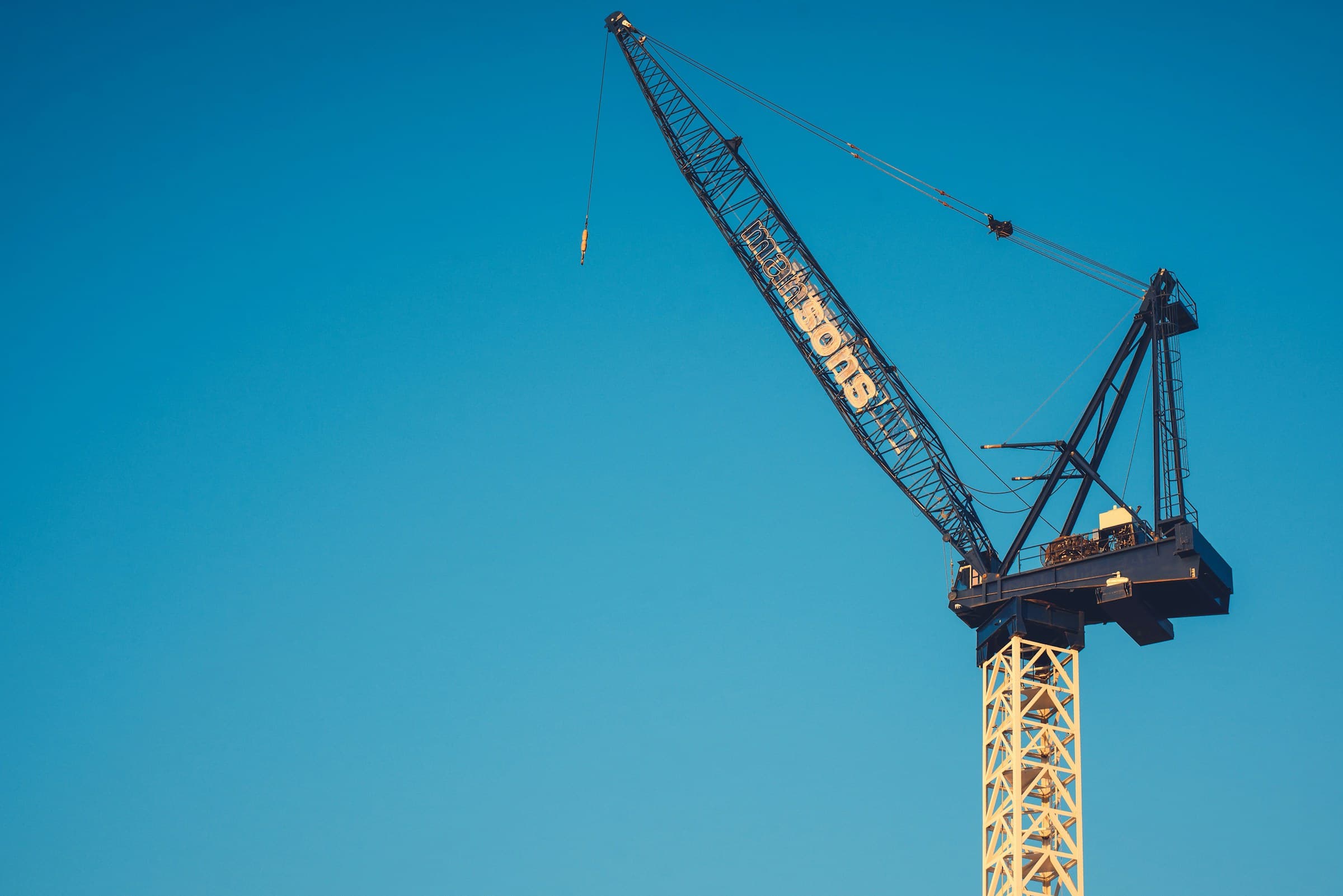
You own the project.
We own the lift.
An engineering or EPC firm carries a capital project end to end — process, civil, structural, procurement, schedule. The heavy lifts inside that project are a discipline of their own : each one needs a sealed, signed lift plan, a crane study, the right rigging, and a record that survives the owner's audit. We're the lift-engineering arm you bring onto the project. You stay accountable for the build ; we make every heavy pick engineered, simulated, and documented to the standard.
ASME B30.5
Mobile crane standard, methodology-grade
CSA Z150
Quebec provincial lift-plan code
24 h
Emergency lift-engineering, on-call to your site team
0
Heavy picks released without a sealed plan
Six exposures on the project's critical path.
On a capital project, the heavy lifts sit on the critical path and carry the highest single-event risk on site. A dropped module, a schedule overrun, a lift plan the owner's reviewer rejects — each one lands on the EPC. The exposures below are what sealed lift-engineering exists to control, inside your project framework.
Critical-path lift overrun
Heavy picks gate the schedule — the module can't be set until the crane is engineered, mobilized, and cleared. A lift that slips drags the whole milestone. Front-loaded lift plans keep the pick off the critical path's risk register.
Owner's-reviewer rejection
The owner's engineer rejects a lift plan that isn't sealed, signed, and standards-cited — and the pick stops until it's resealed. We produce plans that pass the owner's review the first time, ASME / Z150 cited inline.
Dropped or damaged module
A dropped vessel, skid, or module is a multi-million-dollar loss plus a schedule reset. Capacity utilization is documented per pick ; the contingency matrix maps the keep-clear before the crane sets up.
Subcontractor lift-plan gaps
When lift planning is left to the crane sub, the EPC inherits the gaps — inconsistent plans, missing seals, no central record. We standardize the lift-engineering across every sub on the project, in one auditable record.
Multi-crane interface conflict
Two cranes working the same congested site is an interface risk the project schedule doesn't show. Tandem and multi-crane picks are modeled in CRANEbee against the as-planned site, swing arcs deconflicted.
Handover lift-record gap
At handover, the owner wants the lift record with the rest of the project dossier. A reconstructed-after-the-fact file is a turnover risk. The lift + rigging record is built as the work happens, ready for the dossier.
We slot into your project team.
We don't replace your engineering — we add the lift discipline your project needs, from FEED-stage planning to the heavy-pick day on site. Six concrete fits.
Lift studies from FEED onward
Constructability + lift-feasibility studies early, when crane access + pick weights still drive the plot plan. We flag the lifts that will dominate the schedule before they're locked in.
Sealed plans for every critical lift
Vessels, modules, skids, structural steel — each critical pick gets a sealed, signed lift plan that passes the owner's review. ASME B30.5 / Z150 cited inline.
CRANEbee 3D before mobilization
Tandem picks, congested-site swings, and multi-crane interfaces modeled against the as-planned site before the crane shows up. The schedule risk is found in software, not on the pick day.
Engineered rigging on the spec
Dyneema® synthetic rigging where weight, marking, or geometry rule out steel. Specified into the lift plan, rated per ASME B30.9 / B30.26.
Project-wide lift record
Every lift on the project, every sub, one auditable record — sealed plans, rigging certs, capacity utilization, ready for the owner's dossier at handover.
On-call lift-engineering
When the site hits a lift the plan didn't anticipate, a senior lift engineer is on-call — a sealed plan turned around against your schedule, not next week.
Engineering & EPC in the field
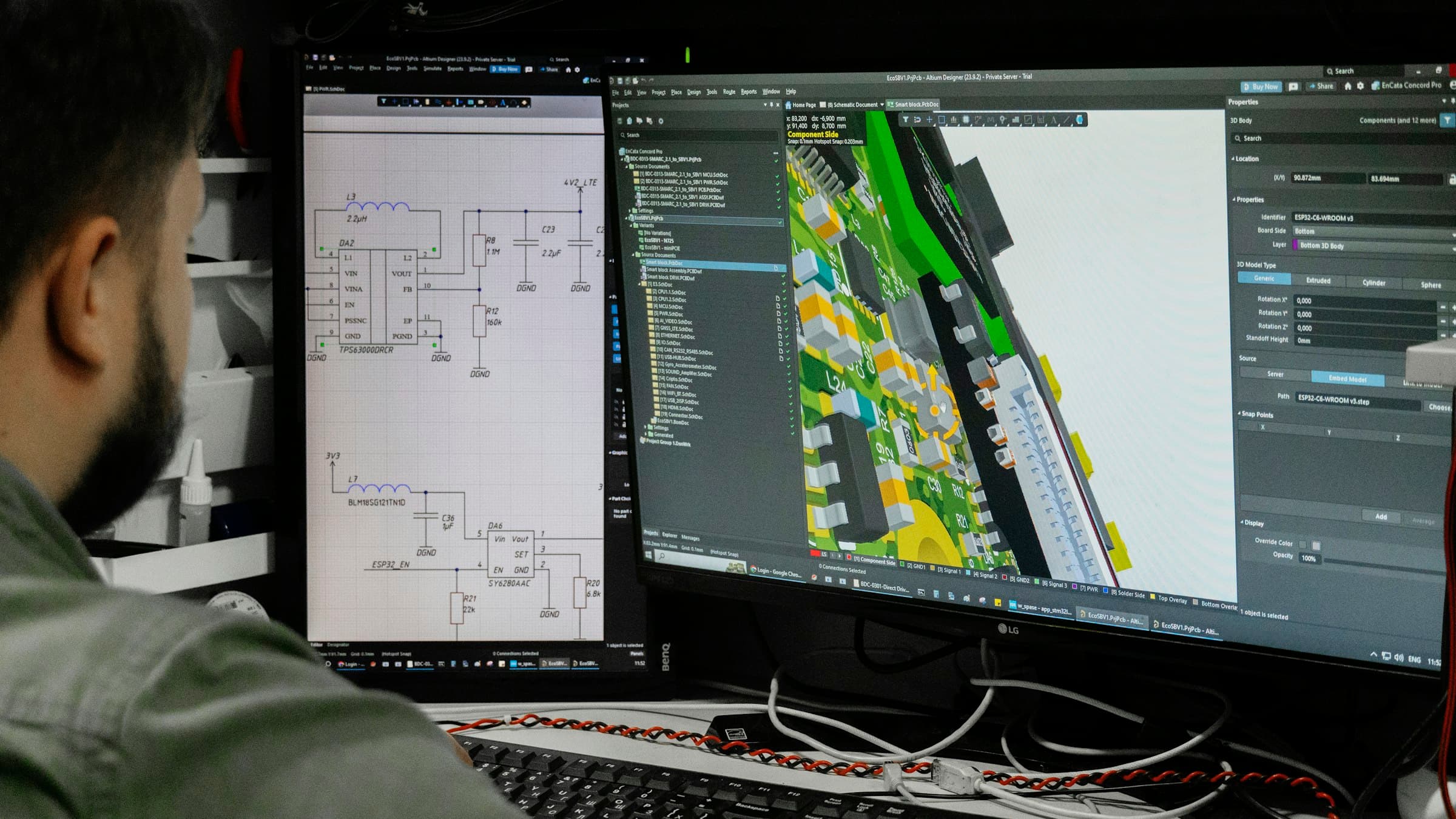
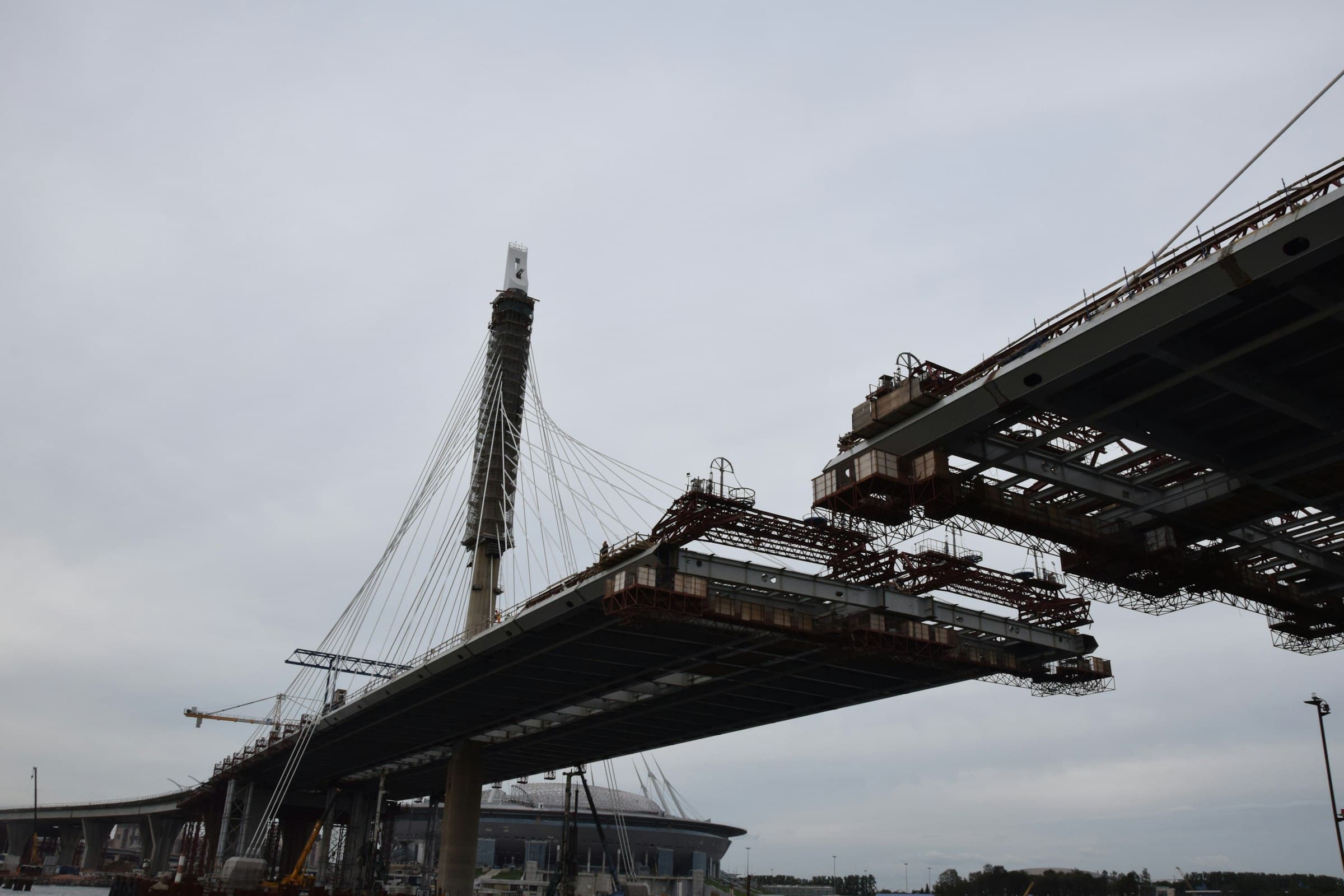
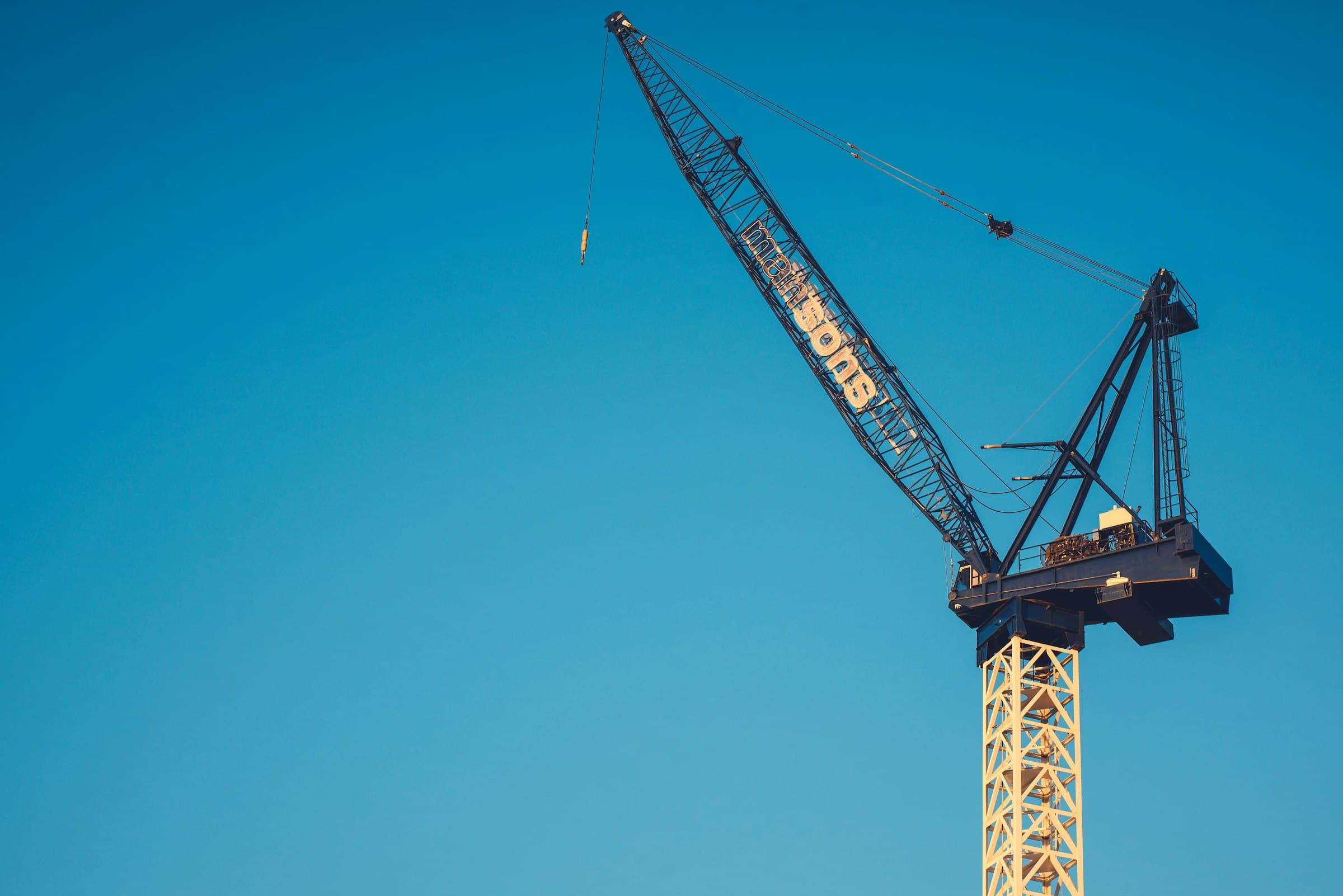
From sector context to the lifts we engineer — a look at where this work happens.


The standards we work to.
We cite the crane + rigging standards on every lift plan and work inside your project's QA + project-controls framework. Your engineering is yours ; the lift engineering is ours, to the standard your owner audits against.
Mobile and locomotive cranes
The mobile crane safety standard — load charts, capacity, setup, operation. Cited on every lift plan we deliver into your project as the methodology baseline.
Mobile crane safety + operator competency
The Canadian mobile crane standard ; in Quebec, Norme Z150 is the provincial lift-plan code. Cited on every engagement in its jurisdiction.
Slings + rigging hardware
Governs slings, shackles, links, and connecting hardware. Cited on the rigging spec — each component rated for the pick, synthetic or steel.
Canadian highway bridge design code
Where the project includes bridge or major structural work, S6 governs the structure. We engineer the lift to set those members ; the EPC owns the design.
Planning for the lifting of loads
The lift-planning methodology standard — the discipline of engineering a pick before it happens. The backbone of every plan we deliver.
BIM information management
Where the project runs on a BIM/CDE, our lift studies and as-planned models align to the project's information framework — the lift record lands in the dossier, not beside it.
Four capability lines. One project engagement.
Maxor's four service pillars all show up as the lift arm of your project — the engineering, the simulation, the rigging, and the record. Here's how each earns its place.
Sealed plans + emergency response
Sealed, signed lift plans for every critical pick on the project — single-crane to multi-crane tandem — produced to pass the owner's review the first time. Same-day emergency tier when the site hits an unplanned lift. Capacity utilization per pick ; ASME / Z150 cited inline.
Distribution + training + implementation
Tandem picks, congested-site swings, and multi-crane interfaces modeled in CRANEbee against the as-planned site before mobilization. The schedule risk surfaces in software. We distribute, train, and implement the platform on Canadian capital projects.
Distribution + advisory + training
Dyneema® synthetic rigging where weight, marking, or geometry rule out steel — engineered into the lift plan, rated per ASME B30.9 / B30.26. Authorized Quebec distribution, with advisory on the spec.
Deterministic engineering platform
Project-wide lift + rigging record on Heisen — every pick, every sub, sealed plans + certs + capacity, ready for the owner's dossier at handover. Deterministic, audit-trailed, sovereign. Heisen embeds into your project-controls / BIM stack by API.
Project software that holds up at handover.
Beyond the lift, the EPC carries a software burden — project controls, document control, turnover dossiers — that off-the-shelf tools force-fit. We build deterministic, audit-grade software on Heisen : same engineering posture, same team kickoff to go-live, sovereign by default. A project record that holds up when the owner audits the turnover. Engineered in Canada, owned by you.
Heisen — our deterministic intelligence layer — is optional on any build: embed it or not, your call. Either way it plugs into a fresh custom app or your existing third-party software via API.
Lift + rigging record platform
Every lift on the project in one auditable record — sealed plans, rigging certs, capacity utilization, deconfliction logs — ready to drop into the turnover dossier instead of reconstructed at handover.
Project-controls + turnover dossier
Deterministic document + turnover control that survives the owner's audit — every record attributable, contemporaneous, and complete, generated as the project runs rather than assembled at the end.
Constructability + lift-feasibility modeling
Early-stage lift-feasibility software that flags the picks driving the schedule while the plot plan is still movable — turning a late-stage crane surprise into an early design input.
Engineering & EPC, answered
Yes — Maxor acts as the lift-engineering partner for EPC and engineering firms, sealing critical-lift plans and heavy-lift studies that a project's own engineers can carry into their deliverables. Every plan is peer-reviewed before issue.
Maxor works to ASME B30.5, CSA Z150 / Z150.3, ASME B30.9 / B30.26, CSA S6, ASME P30.1 (lift planning), and ISO 19650 for information management. Every plan is peer-reviewed by a second engineer.
Yes — Maxor runs constructability and heavy-lift studies at the design stage, modelling crane configurations and site logistics in CRANEbee so a lift risk is found on the drawing, not on the schedule.
Bring the lift arm onto your project.
Tell us the project, the heavy picks, and the owner's review framework. A senior lift engineer responds within one business day with a scoped engagement and a path to first deliverable.