The highest pick
on the windiest site.
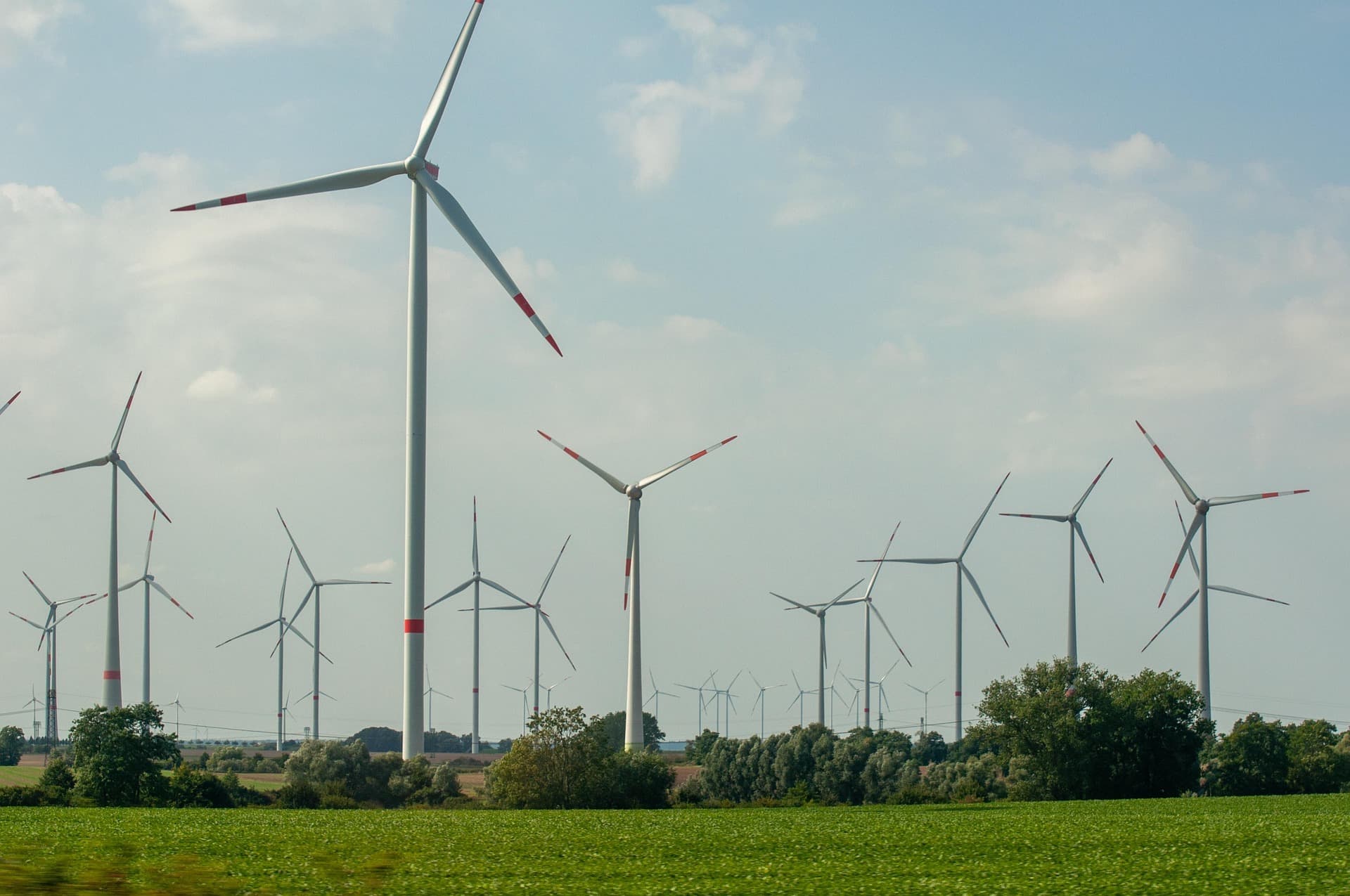
A wind-turbine erection is one of the tallest, most wind-sensitive lifts in the industry — a nacelle hoisted past 100 metres onto a tower, in the one location guaranteed to be windy. Miss the weather window and the crane sits idle at thousands a day; misjudge the lift and a multi-million-dollar nacelle is on the ground. We engineer that lift — hub-height geometry, wind-limit-bound, sealed before mobilization. Wind, hydro, solar, storage. The developer runs the plant ; we get the heavy thing up.
ASME B30.5
Mobile crane standard, methodology-grade
Z150
Quebec lift-plan code applied to every engagement
24 h
Emergency lift plans — renewable sites Canada-wide
0
Hub-height lifts without a sealed plan in hand
Six exposures at hub height.
Renewable lifts carry an exposure profile most industrial lifts don't : extreme height, a site chosen for its wind, and components worth millions with long lead times. The exposures below are what the sealed lift plan exists to control. Every Maxor deliverable in this vertical addresses them explicitly.
Wind window collapse
A nacelle lift has a hard wind-speed ceiling — exceed it and the pick is unsafe. On a site chosen for its wind, the window is narrow and expensive. The contingency matrix documents the wind limit + the fallback, so the crew doesn't improvise at the ceiling.
Component write-off
A nacelle, a blade, a generator is a multi-million-dollar, long-lead component. A dropped or wind-caught lift isn't a delay — it's a re-order that slips the whole project. The lift plan controls the pick the component can't survive failing.
Crane catastrophic failure
Hub-height lifts run the largest crawler + tower cranes near their charts. Tip-over or boom collapse at that scale is a fatality-class event. Capacity utilization documented per pick ; the lift respects the chart at full radius + height.
Remote-site access + ground bearing
Renewable sites are remote, often on soft or sloped ground. Crane walk-paths, pad preparation, and outrigger reactions are engineered against the as-built terrain — geotechnical input client-supplied, we consume it.
Grid-connection deadline
A PPA or interconnection milestone drives the schedule — miss it and the revenue date slips with penalties. The lift campaign is engineered against the fixed commissioning window, not the other way around.
BESS thermal + safety event
Battery-storage container placements sit next to a thermal-event hazard. Keep-out zones, water-source access, and vent alignment are mapped in the lift plan before the container lands.
Six lift archetypes. Wind to storage.
Renewable lifts cluster into recurring engineering patterns across wind, hydro, solar, and storage. Each archetype has its own load-case profile and height / wind constraint. The methodology adapts ; the rigor doesn't.
Nacelle, hub, blade + tower erection
Tower-section stacking, nacelle hoist to hub height, hub + single-blade or bunny-ear blade installs. Wind-limit-bound geometry, the signature renewable lift. CRANEbee 3D for the swing + clearance.
Major-component replacement
Gearbox, generator, blade, and main-bearing swaps on operating turbines — up-tower or full lower-and-replace. Crane re-mobilization to a live wind farm, sequenced around the operating fleet.
Turbine + generator + gate lifts
Turbine runners, generator rotors + stators, draft-tube + gate equipment in the powerhouse. Precision set on the unit centreline ; tandem-crane for the heaviest rotors. Confined-powerhouse access.
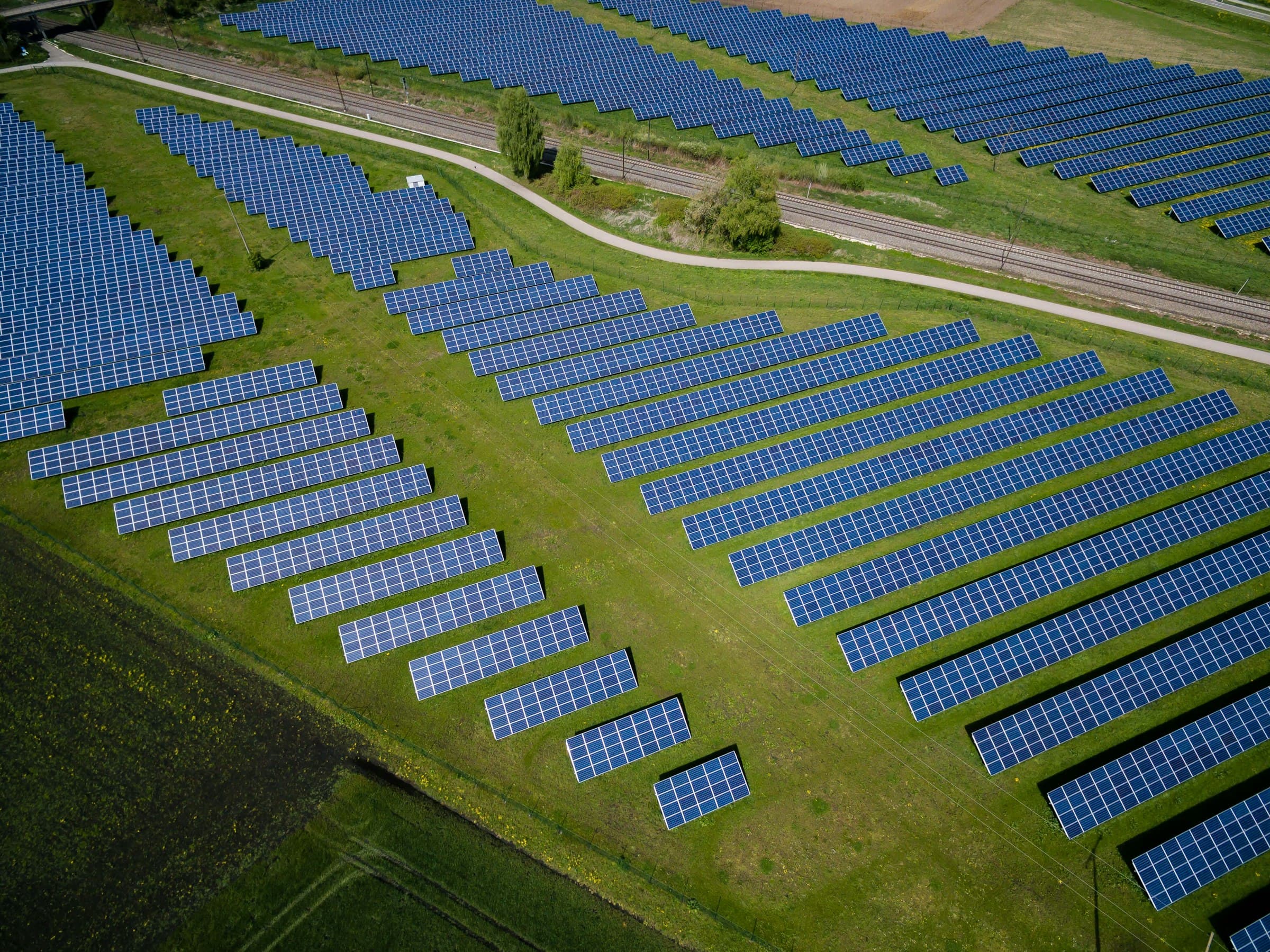
Inverter + transformer installs
Central + string inverters, pad-mount transformers, MV switchgear skids across a utility-scale solar field. Repeat-pick efficiency engineered for the install campaign.
BESS container + skid placements
Battery containers, PCS skids, transformer skids. Thermal-event-aware site layout respected — keep-out zones + access + vent alignment documented before the container lands.
Substation + collector equipment
Collector-substation transformers, switchgear, and breakers tying the generation to the grid. Lifts beside energized equipment ; energized-clearance documented.
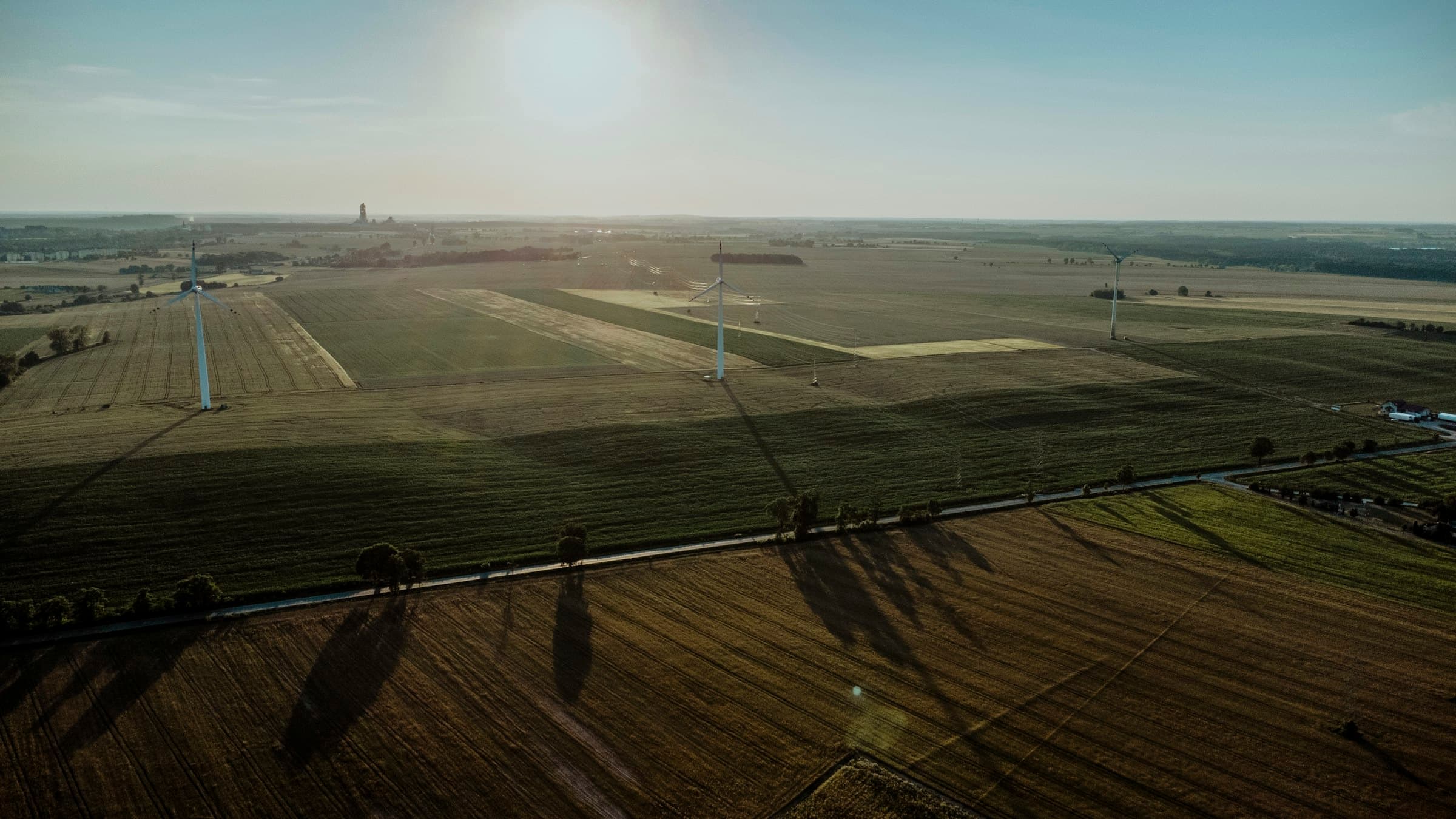
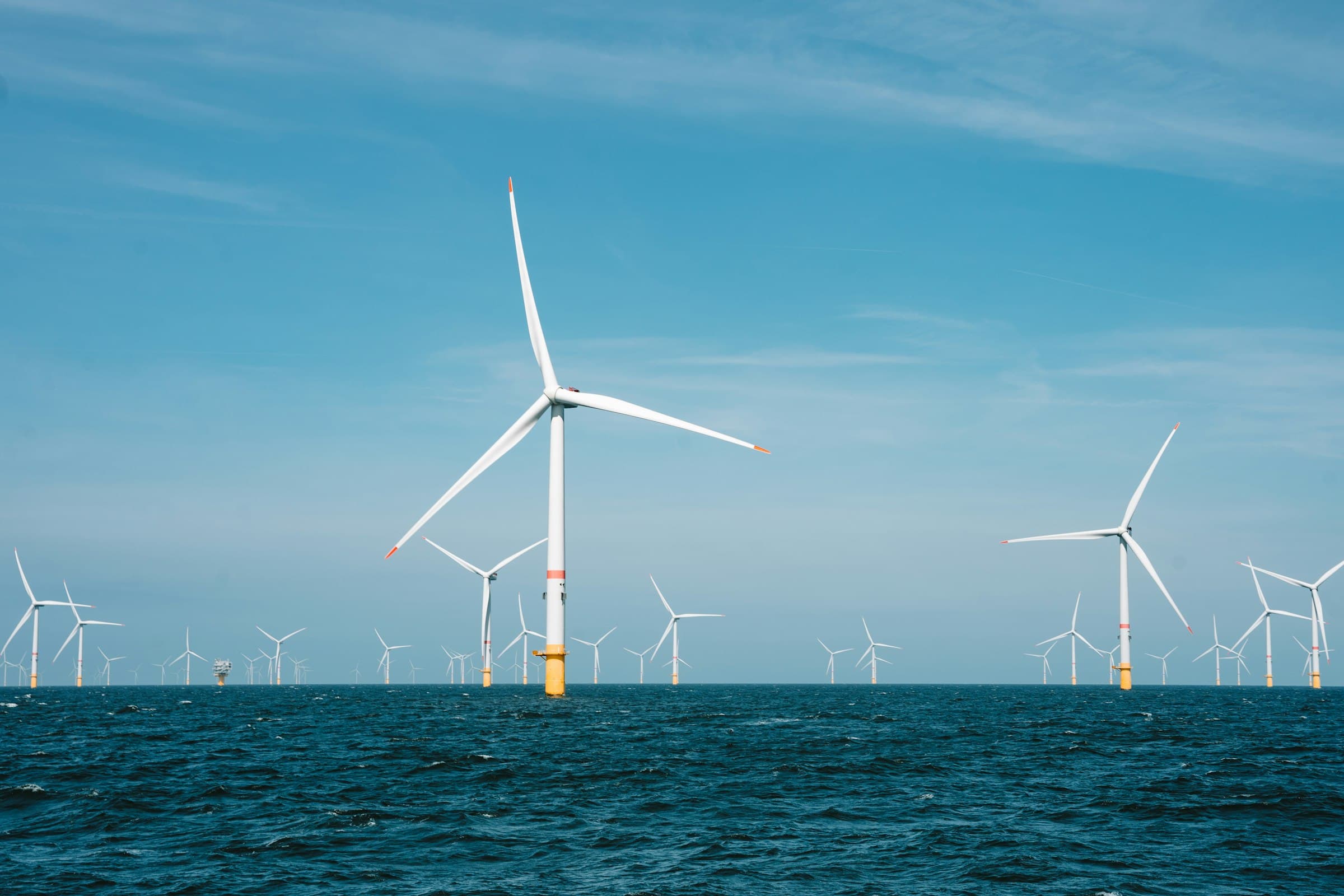
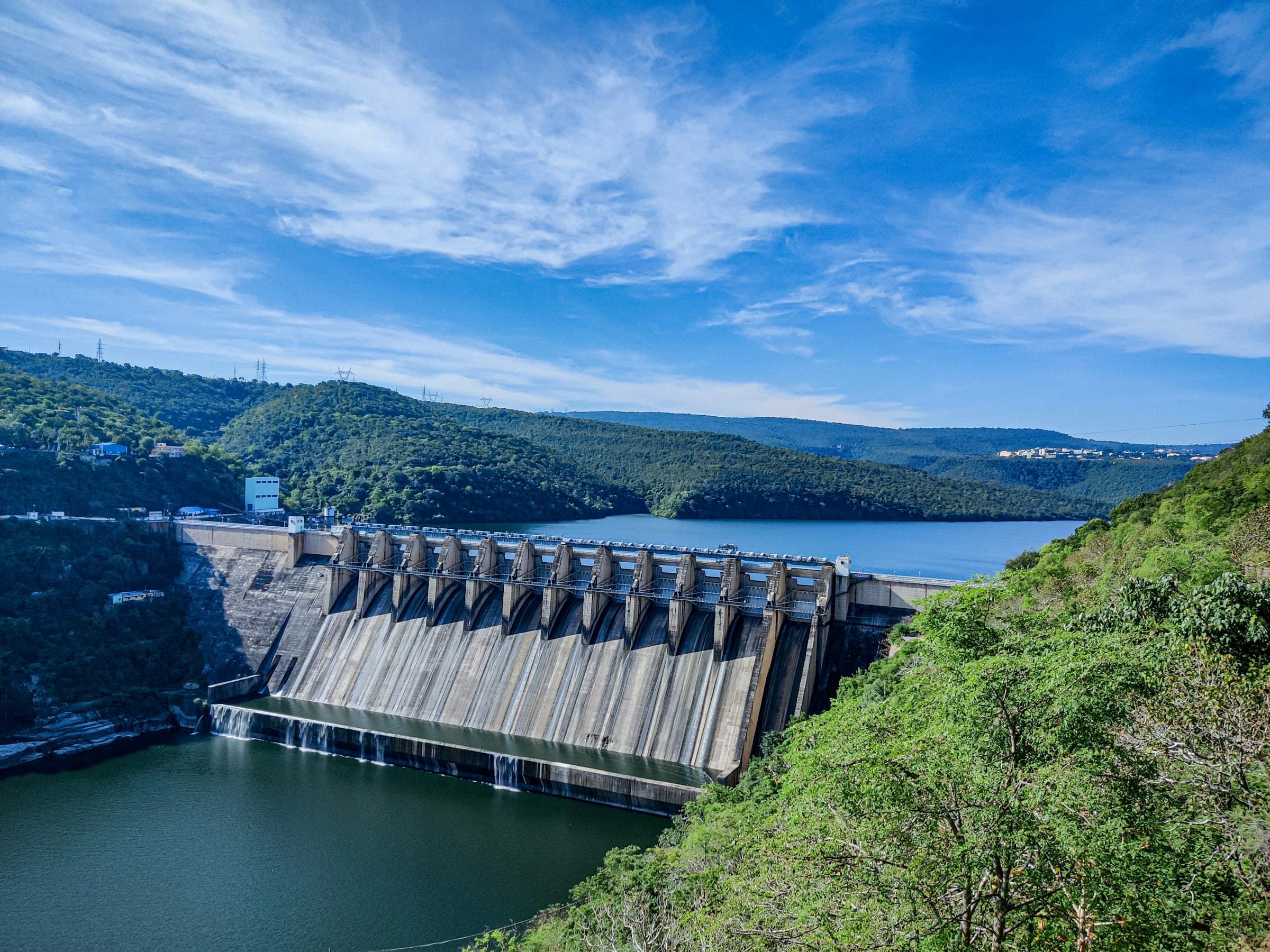
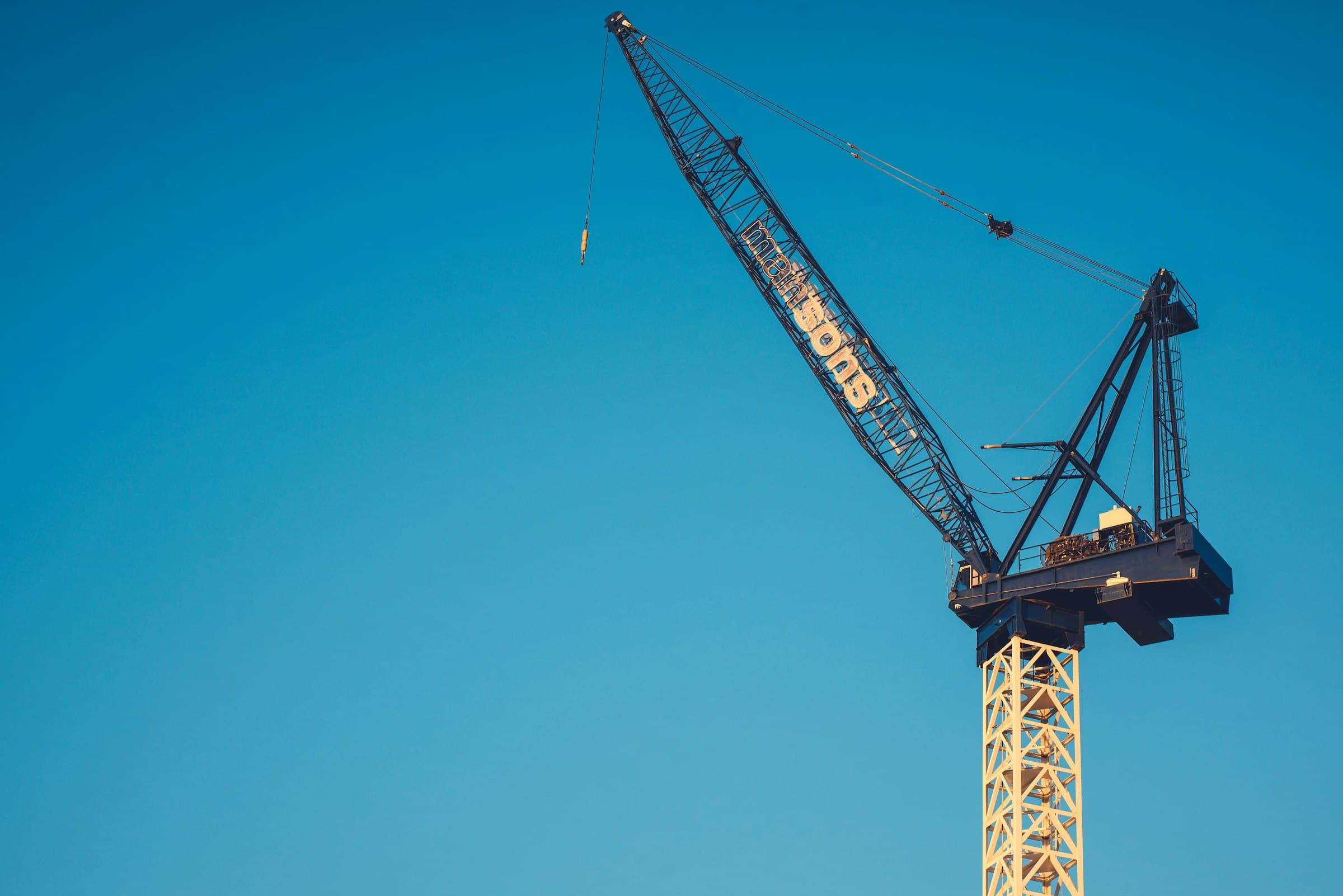
Renewable Energy in the field
From sector context to the lifts we engineer — a look at where this work happens.

The standards we work to.
The lift is our scope, so the standards we cite are crane + rigging standards. The turbine design, the interconnection study, the power-systems engineering belong to the developer + OEM — we engineer getting their equipment up and into place.
Mobile and locomotive cranes
The mobile crane safety standard — load charts, capacity, setup, operation. Cited on every renewable-energy lift plan as the methodology baseline, at full radius and hub height.
Mobile crane safety + Quebec lift-plan code
The Canadian mobile crane standard ; in Quebec, Norme Z150 is the provincial lift-plan code — Quebec is a wind + hydro powerhouse. Cited on every engagement in its jurisdiction.
Slings
Governs sling selection, rating, and inspection — wire-rope, chain, synthetic. Cited on the rigging spec of every lift, each leg sized against the load + safety factor, including blade-handling rigs.
Rigging hardware
Governs shackles, links, rings, and connecting hardware. Cited on the rigging assembly — every component rated to the load it carries.
Crane operator qualification
The qualification + certification standard for mobile crane operators. Referenced in the operator-brief section so the right ticket runs a hub-height pick.
Manufacturer load charts
The crane's published capacity at radius, boom length, and configuration. Every capacity-utilization figure in our plans traces back to the manufacturer chart — critical at extreme height.
Four capability lines. One renewable-energy engagement.
Maxor's four service pillars all show up on a renewable-energy lift. Here's how each one earns its place — wind to storage.
Sealed plans + emergency response
Hub-height erection + component-swap lifts, single-crane to multi-crane tandem, wind-limit-bound contingency matrix. Same-day emergency tier when a component failure threatens a grid-connection deadline. Capacity utilization per pick ; Z150 / B30.5 cited inline.
Distribution + training + implementation
Nacelle hoists, blade installs, and confined-powerhouse lifts modeled in CRANEbee before the crane sets up. Swing arc + clearance drawn against actual site geometry, at full height. We distribute, train, and implement the platform on Canadian renewable projects.
Distribution + advisory + training
Dyneema® synthetic chains for blade + component handling — non-marking on finished composite surfaces, lighter for the crew on a remote pad, non-conductive near collector + substation gear. Authorized Quebec distribution.
Deterministic engineering platform
The Maxor software line (Heisen, TensorYard, HullSmith Firewall) provides the audit-grade evidence substrate behind the sealed lift plans — recallable lift records, erection-campaign provenance, sovereign deployment.
Beyond the four pillars — software built for your operation.
The four service pillars cover the lift. But most renewable developers carry a software gap the off-the-shelf vendors never close. We build it — custom applications, integrations, and managed services, same engineering posture, same team from kickoff to go-live, sovereign by default. Engineered in Canada, owned by you.
Heisen — our deterministic intelligence layer — is optional on any build: embed it or not, your call. Either way it plugs into a fresh custom app or your existing third-party software via API.
Erection-campaign + weather-window planning
Sequences turbine erections across the wind farm against crane availability, crew, and forecast wind windows — so the lifts land in the weather they need and the project hits its commissioning date.
Asset registry + O&M lifecycle dashboard
A registry of every turbine, inverter, and BESS asset tied to install date, warranty, and service history — so the next major-component swap is a planned campaign, not a reactive scramble.
Generation + grid-compliance reporting
Reconciles generation data and produces the grid + regulatory compliance reporting the interconnection agreement requires — deterministic, audit-trailed, sovereign.
Renewable Energy, answered
Yes — Maxor engineers sealed lift plans for wind, solar, and hydro projects, including nacelle, blade, and transformer placements at height and on constrained sites. Every plan is peer-reviewed before issue.
Maxor works to ASME B30.5, CSA Z150 and Z150.3, and ASME B30.9 / B30.26, cross-checked against the crane's load charts for high, wind-sensitive picks. Every plan is peer-reviewed by a second engineer.
Yes — Maxor plans nacelle and blade lifts where reach, wind window, and ground bearing are the binding constraints, using CRANEbee to validate crane configuration and clearances before the weather window opens.
Scope your renewable-energy lift.
Tell us the technology, the site, and the commissioning window. A senior lead responds within one business day with a scoped lift engagement and a path to first deliverable.