Where halt-time
costs a million.
Oil and gas operations don't tolerate engineering noise. A refinery turnaround burns $0.5-1.5 M per day of overrun. An LNG module install delay propagates across a $5 B megaproject. A failed pressure-vessel lift hits HSE, regulator, and insurer in the same call. We engineer the lift plans for that exposure — load-path-first, standards-cited, sealed before mobilization. Upstream wellpad to downstream rack. Every plan, every operator brief.
CSA Z662
Canadian oil & gas pipeline standard applied
API 579
Fitness-for-service evaluation — referenced
24 h
Emergency turnaround lift plan — across Canada
0
Operator briefings without a sealed plan in hand
Six exposure dimensions every plan must answer.
Oil and gas engineering is risk arithmetic at scale. The exposures below aren't theoretical — they're the line items that show up on every project's risk register. Every Maxor deliverable in this vertical addresses each one explicitly.
Production halt cost
$0.5-1.5 M per day for a major refinery turnaround overrun. $250 K-500 K per day for a producing platform. The lift plan is rarely the bottleneck — but when it is, it's the most expensive bottleneck on the project.
HSE + reportable incident
Dropped load, struck-by, exposed worker. Each incident triggers regulator notification (provincial WSIB / OHS, federal CER for pipelines), insurance reserve hit, and a project-wide stand-down. The plan exists to make these impossible.
Environmental exposure
Hydrocarbon release from a failed pressure-vessel lift. Soil and water contamination from a dropped flange. ECCC reportable event. The lift plan's contingency matrix is the document that proves you saw it coming.
Schedule + capex
Megaproject schedules carry $millions per week in carrying cost. A re-spec triggered by a discovered geometry conflict is 1-3 weeks. Engineering catches conflicts in CRANEbee 3D before mobilization — not in the field.
Regulator credibility
AER, CER, BC OGC, OSP : every Canadian oil-and-gas regulator has institutional memory. A poorly-engineered lift plan becomes the file that follows your next permit application. Sealed deliverables — every time.
Insurance + bonding
Engineering rigor is now bonded against : prior incidents drive premium adjustment, future plans need to show methodology improvement. The lift plan is part of the underwriting file — not just the project file.
Six operation archetypes. Standard methodology, every one.
Oil and gas operations cluster into recurring engineering patterns. Each archetype has its own load-case profile, regulatory framing, and deliverable shape. The methodology adapts ; the rigor doesn't.
Wellpad equipment placement + relocation
Wellhead trees, separators, sand traps, compressors. Mobile-crane lifts on prepared pads. Ground-bearing analysis on near-virgin soil. Cold-weather lift envelopes for northern operations.
Pipeline + station heavy lifts
Mainline valves, scraper traps, pig launchers / receivers. Pump-station and compressor-station equipment. CSA Z662 referenced ; CER permit conditions documented in the contingency matrix.
Module + topside installs
100-1,500 t prefab modules. Multi-crane tandem or supplied SPMT-to-crane handoff. CRANEbee 3D mandatory before mobilization. Wind windows tied to manufacturer charts and site-specific exposure factor.
Turnaround + brownfield mods
Heat exchangers, fired heaters, reactor internals, distillation tray packs. Confined-site lifts with active adjacent process. HSE plan + lift plan reviewed jointly. Same-day re-spec available for plan-vs-as-built conflicts.
Vessel + heat exchanger replacements
API 510 / 572 / 579-driven replacements. Lift attachment points designed for one-time use. Rigging stress analysis when vessel attachment is non-standard. Sealed deliverable accepted by the API authorized inspector.
Quayside + sail-away lifts
Topsides, drill packages, accommodation modules. Quayside lift planning where the crane is on the dock or on a barge. ISO 17776 risk framing. Sea-state assumptions documented in the contingency matrix.
Oil & Gas in the field
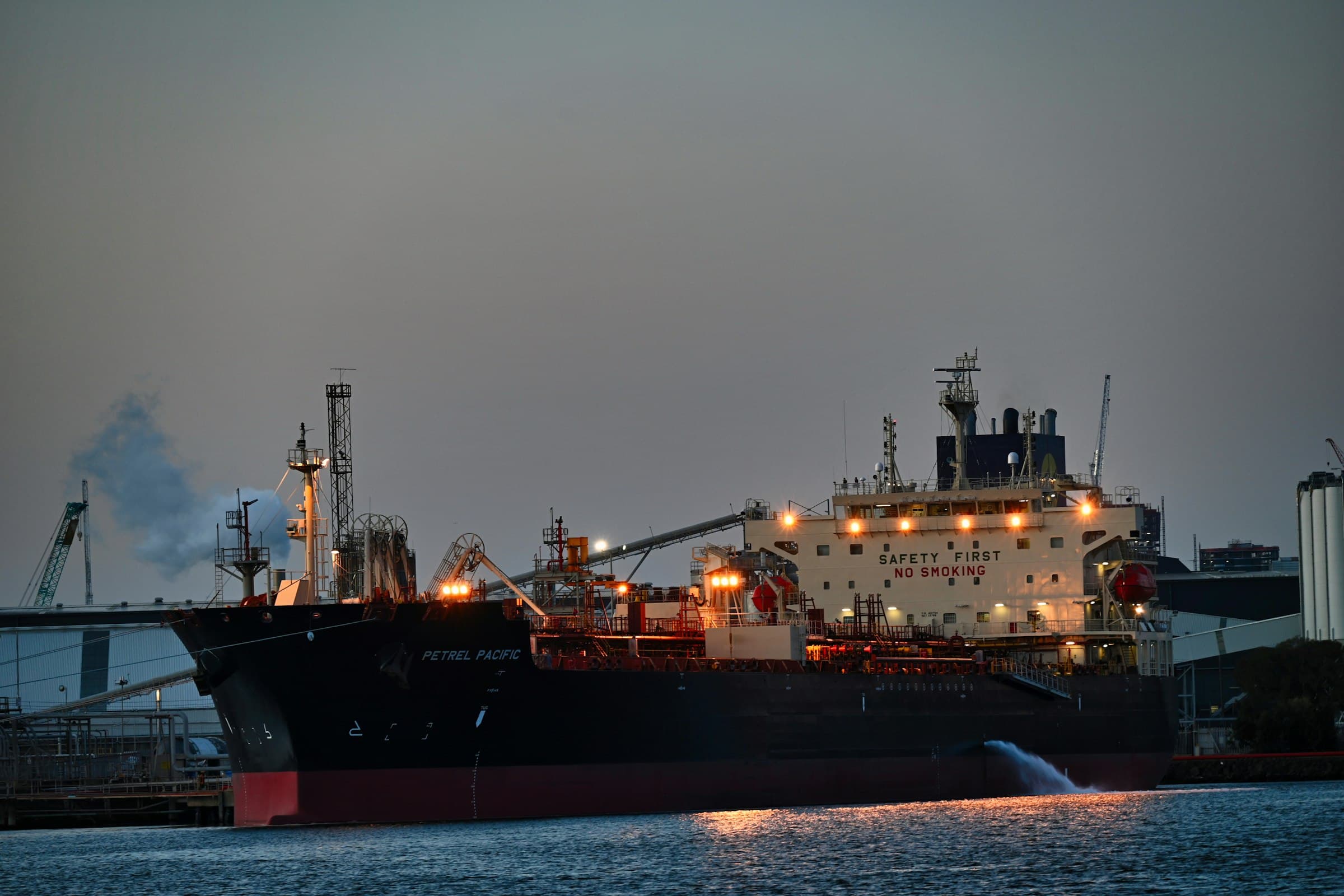
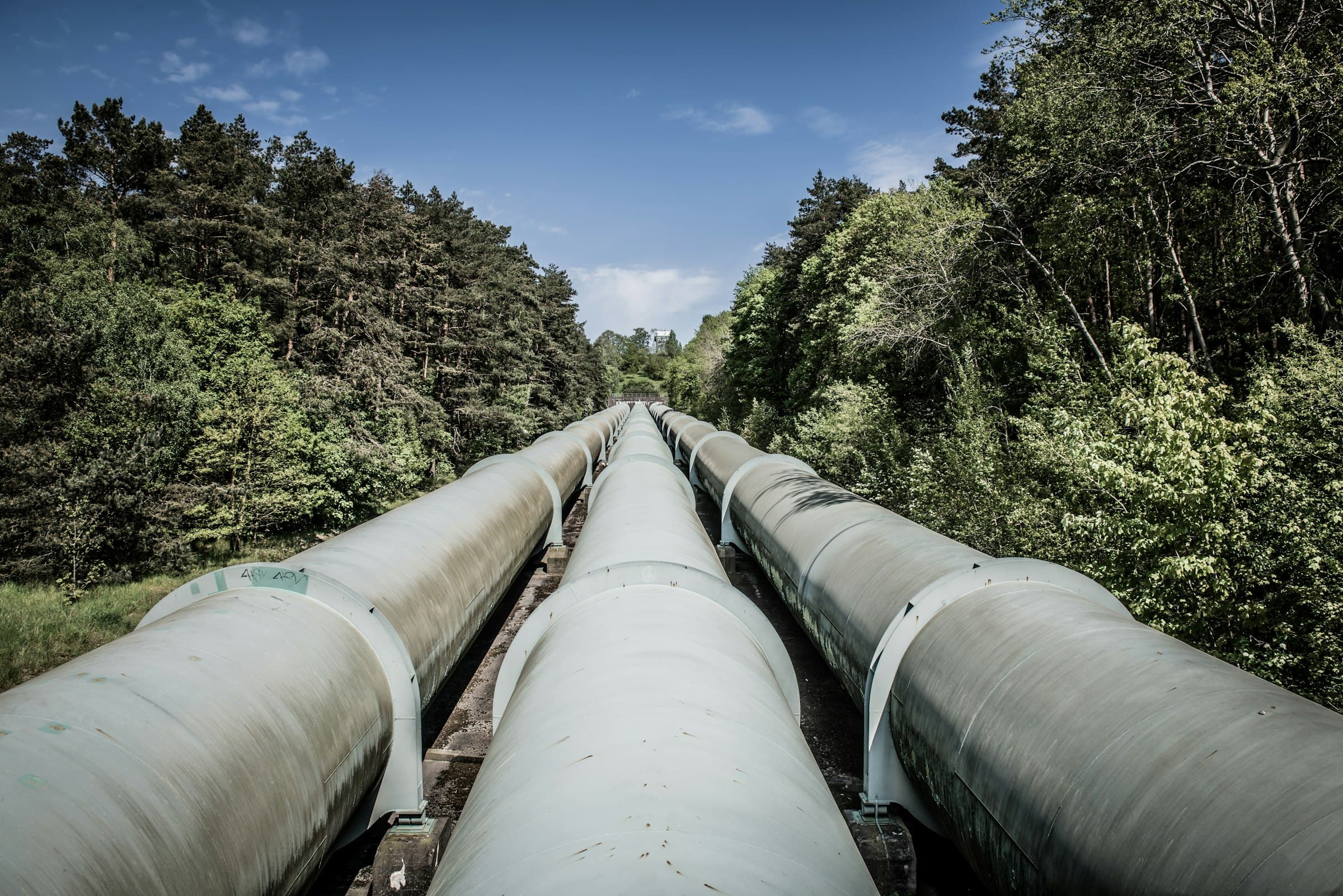
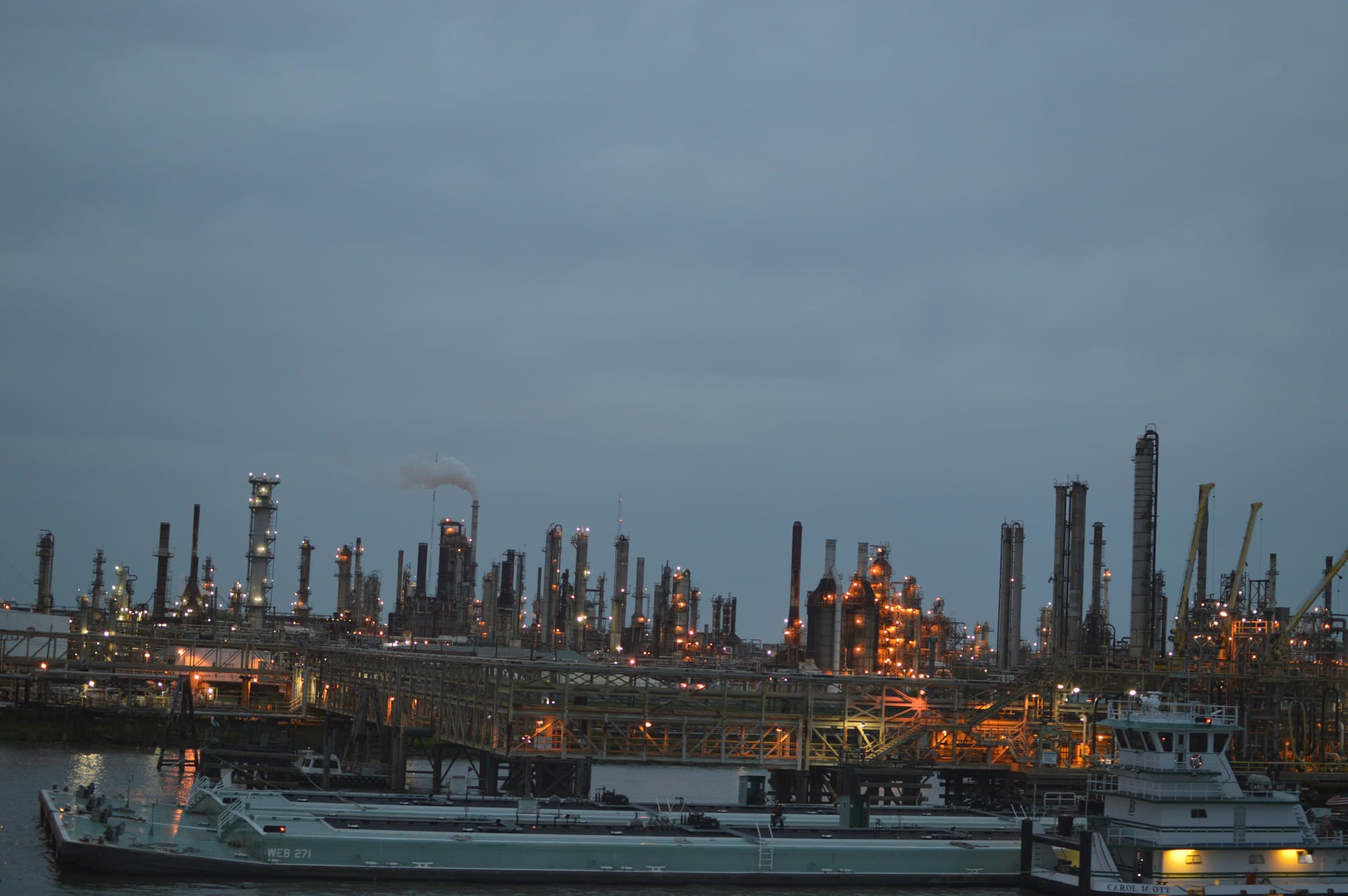
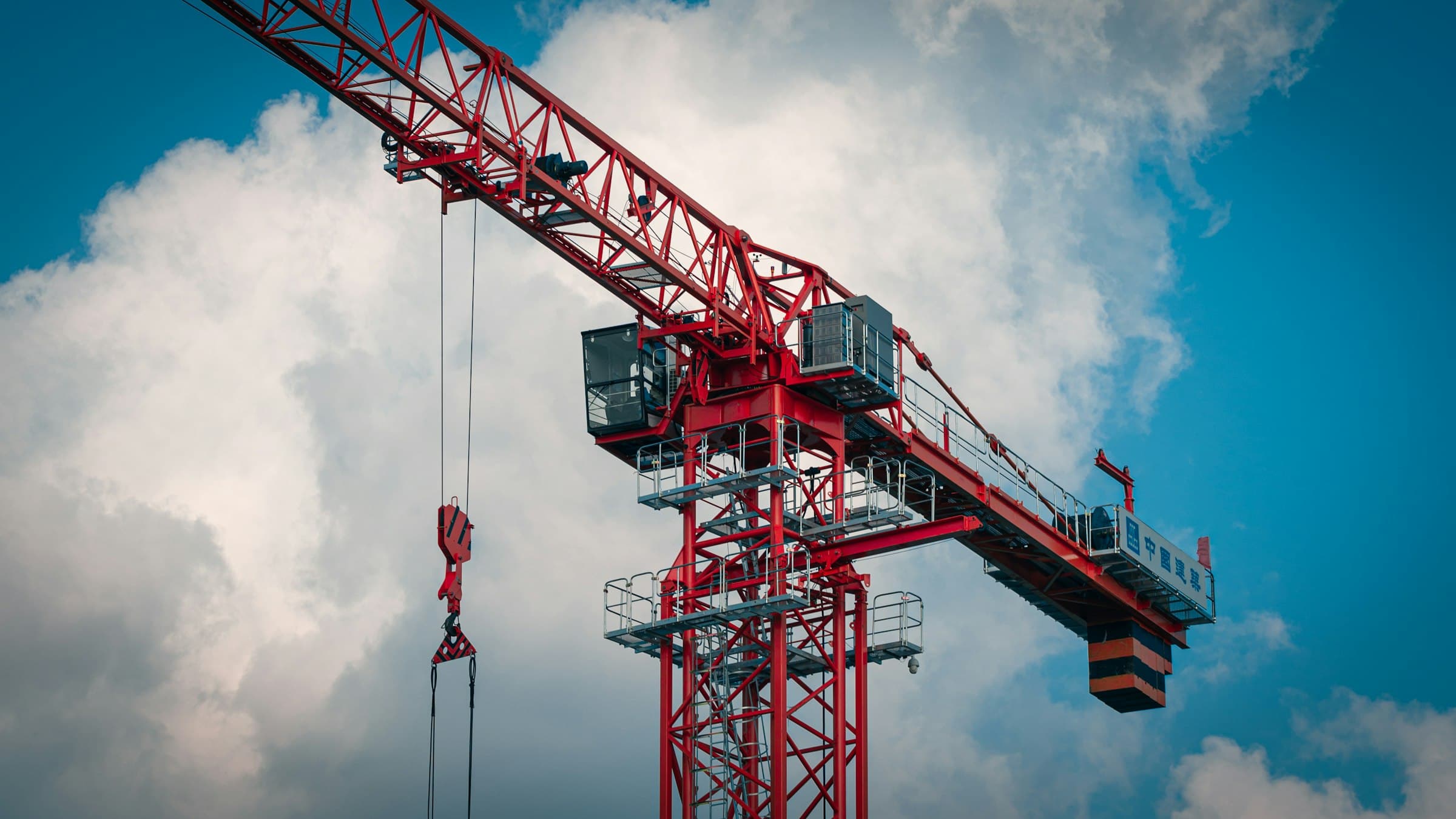
From sector context to the lifts we engineer — a look at where this work happens.
The standards we work to.
Engineering rigor in oil and gas is grounded in a documented standards stack. Every Maxor deliverable cites the applicable standards inline — not in an appendix, not as marketing. These are the ones that govern an oil & gas lift.
Oil and gas pipeline systems (Canadian)
The Canadian national standard for pipeline design, construction, operation, and maintenance. Cited on every midstream lift plan that touches a regulated pipeline asset.
Fitness-for-service evaluation
Joint API / ASME standard for evaluating in-service pressure equipment. We don't perform FFS — we consume its outputs when planning replacements of equipment FFS has flagged for end-of-life.
Pressure vessel inspection + condition
API 510 governs in-service pressure vessel inspection ; API 572 the inspection practices. Our lift plans reference the API authorized inspector's findings as input to attachment-point selection.
Process Safety Management
US OSHA process safety management — referenced when operations sit adjacent to active highly-hazardous chemical inventories. Defines mechanical-integrity expectations our lift plans align with.
Mobile crane operation + Quebec lift-plan code
ASME B30.5 — mobile crane safety. Quebec Norme Z150 — provincial lift-plan code referenced on every Maxor engagement east of Ontario. Both cited on every oil-and-gas lift plan we ship in their jurisdictions.
Offshore platforms — major-accident hazard
ISO 17776 frames major-accident hazard management on offshore installations. Cited on sail-away and quayside lift plans destined for offshore service.
Four capability lines. One oil-and-gas engagement.
Maxor's four capability lines (lift planning, CRANEbee distribution, Murlink distribution, software) all show up on a typical oil-and-gas engagement. Here's how each one earns its place on a major program.
Sealed plans + emergency response
Single-pick to multi-crane tandem. Same-day emergency tier available across Canada during turnarounds when an as-built conflict shuts the operation down. Z150 / B30.5 cited inline.
Distribution + training + implementation
LNG module installs, refinery confined-site swings, multi-crane tandem all modeled in CRANEbee before the crane rolls. Site geometry from drone-photogrammetry where the CAD reduction doesn't capture as-built reality.
Distribution + advisory + training
Dyneema® synthetic chains for pressure-vessel lifts where steel marking is unacceptable, for refinery work near energized busbars where conductivity is a hazard, for confined-site swings where weight matters. Authorized Quebec distribution.
Deterministic engineering platform
The Maxor software line (Heisen, TensorYard, HullSmith Firewall) provides the engineering substrate behind the deliverables — sealed audit trails, regulator-readable evidence, sovereign deployment.
Beyond the four pillars — software built for your operation.
The four service pillars cover the lift. But most oil & gas operators carry a software gap the off-the-shelf vendors never close. We build it — custom applications, integrations, and managed services, same engineering posture, same team from kickoff to go-live, sovereign by default. Engineered in Canada, owned by you.
Heisen — our deterministic intelligence layer — is optional on any build: embed it or not, your call. Either way it plugs into a fresh custom app or your existing third-party software via API.
Production allocation + hydrocarbon accounting
Reconciles well, field, and sales-point volumes into an auditable allocation ledger — replacing the spreadsheet chain that breaks every time a meter is recalibrated or a well is tied in.
Regulatory + emissions reporting automation
Automates AER / CER / ECCC + methane-reporting submissions straight from your source data — deterministic, audit-trailed, no manual re-keying into each regulator's portal.
Asset-integrity management platform
A risk-based-inspection (RBI) platform tracking inspection findings, FFS evaluations, and remaining-life across the asset base — one source of truth instead of siloed inspector reports.
Oil & Gas, answered
Yes — Maxor engineers sealed lift plans for refineries, LNG terminals, and upstream facilities, from single picks to multi-crane turnarounds. Every plan maps the load path, crane configuration, ground bearing, and rigging around live-plant constraints, and is peer-reviewed before issue.
Maxor works to CSA Z662, API 579 / ASME FFS-1, API 510 / 572, OSHA 1910.119 PSM, and ASME B30.5 / CSA Z150, applied to Canadian site conditions. Every plan is peer-reviewed by a second engineer before it ships.
Yes — Maxor plans full turnaround lift campaigns, sequencing tandem picks and congested-site logistics with CRANEbee 3D clash detection and real-time ground-bearing analysis. Same-day emergency plans are available across Quebec and Ontario.
Scope your oil & gas engagement.
Tell us the asset, the operation, and the schedule. A senior lead responds within one business day with a scoped engagement and a path to first deliverable.