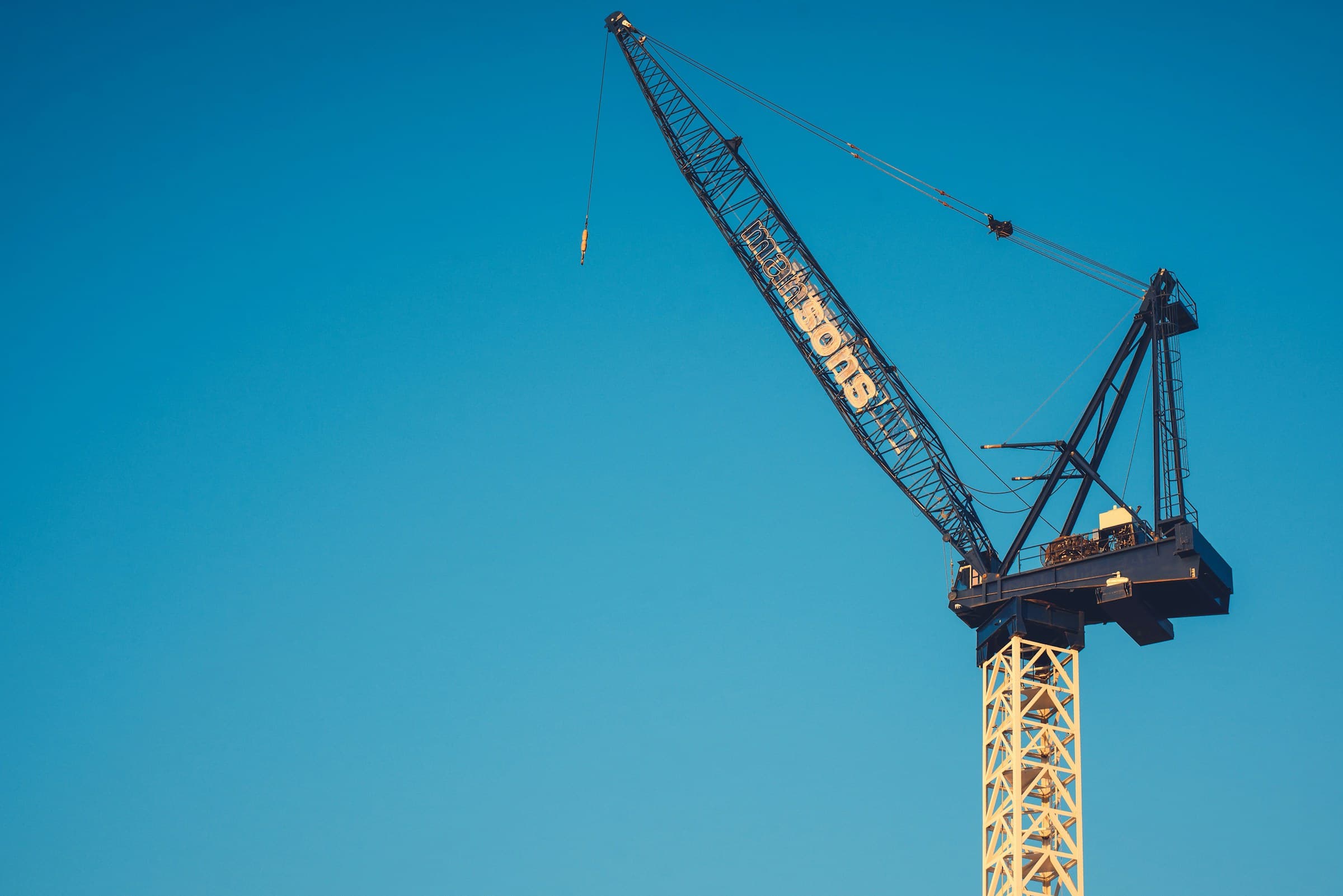
The lift happens
over a live road.
Civil infrastructure lifts happen in public — a bridge girder swung over a live highway, a precast segment set above a rail line, structural steel erected beside an occupied building. The public is in the radius, the traffic window is fixed, and the regulator and the press are watching. We engineer that lift — load-path-first, over-traffic-aware, sealed before mobilization. The civil engineer designs the structure ; we get the heavy thing into place, to tolerance.
ASME B30.5
Mobile crane standard, methodology-grade
Z150
Quebec lift-plan code applied to every engagement
24 h
Emergency lift plans — infrastructure sites Canada-wide
0
Over-traffic lifts without a sealed plan in hand
Six exposures in public space.
Civil-infrastructure lifts carry an exposure most industrial lifts don't : the public is in the radius, the work is over live traffic or rail, and a failure is a headline. The exposures below are what the sealed lift plan exists to control. Every Maxor deliverable in this vertical addresses them explicitly.
Public + traffic proximity
A girder swung over a live highway or rail line puts the public in the lift radius. A dropped load is a fatality + a public-infrastructure shutdown. The contingency matrix maps the traffic exposure + the closure plan before the pick.
Placement-tolerance precision
A bridge segment or a precast girder has to land within tight position tolerance to bear and to align with the next pour or segment. The set geometry is engineered — the crane lands it on the bearings, not eyeballed over a busy road.
Crane failure in public view
Tip-over or boom collapse on a public infrastructure site is a fatality-class event with a media + political tail. Capacity utilization documented per pick ; tandem load-share engineered for long-span girders.
Traffic + closure window
Over-road + over-rail lifts run in a narrow closure window — often overnight, coordinated with the road or rail authority. A lift that overruns its window reopens a road late and draws penalties. Engineered against the fixed window.
Confined urban + utility ground
Urban infrastructure means crane setup beside buildings, over buried utilities, on constrained footprints. Outrigger reactions + mat sizing engineered against the as-built — utility + geotechnical input client-supplied.
Regulator + public scrutiny
Public infrastructure work is reviewed by the owner authority, the engineer-of-record, and often the public. A poorly-engineered lift becomes a public-record incident. Sealed deliverables, traceable — every time.
Six lift archetypes. Over the public realm.
Civil-infrastructure lifts cluster into recurring engineering patterns — bridges, structures, tunnels, and transit, much of it over live traffic. Each archetype has its own load-case profile and public-exposure constraint. The methodology adapts ; the rigor doesn't.
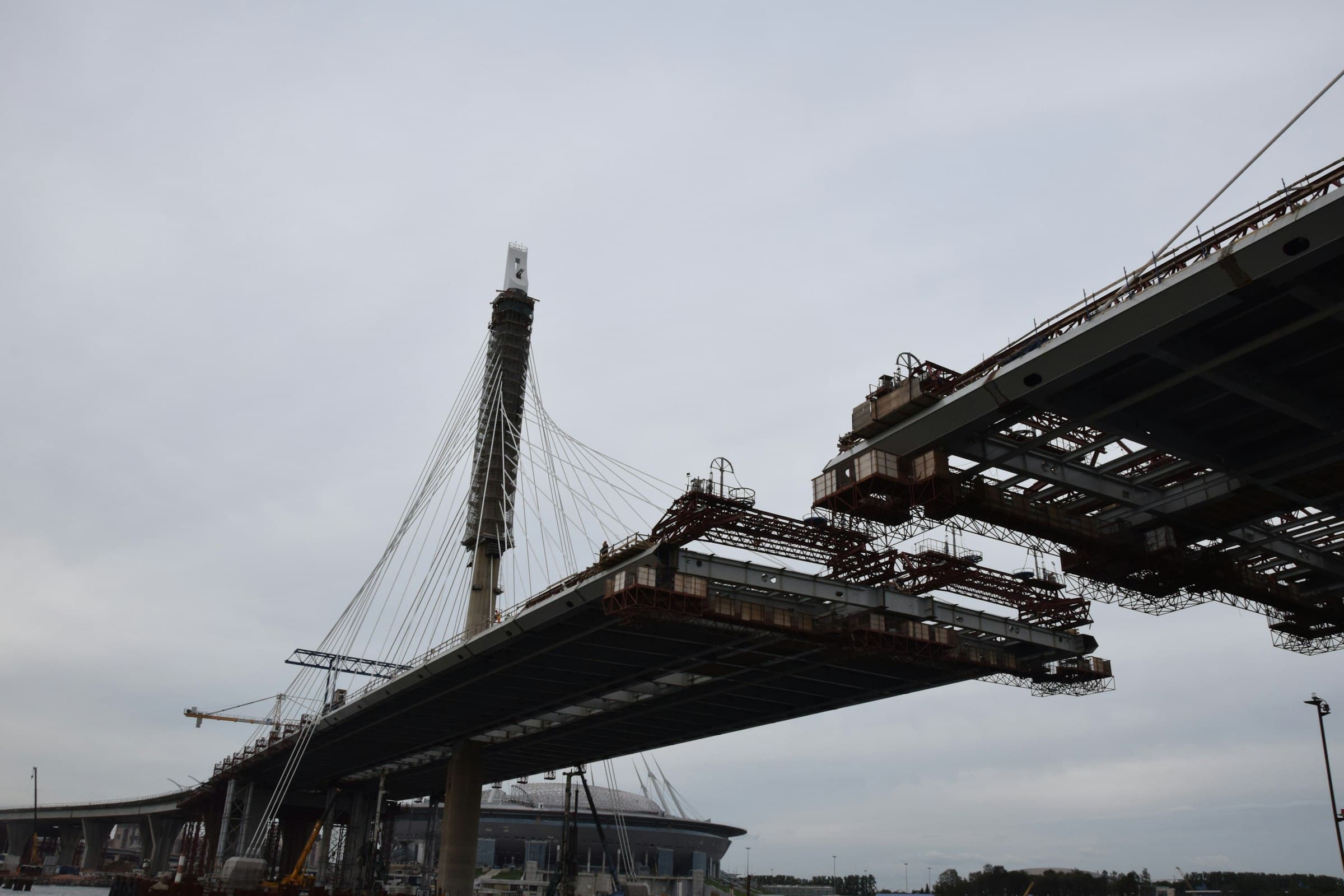
Bridge-girder + segment erection
Steel + concrete girders, precast segments, cable-stay + box-girder components erected over live or closed crossings. Tandem-crane for long spans, set to bearing tolerance. CRANEbee 3D over the traffic envelope.
Structural-steel + precast erection
Building structural steel, precast beams + panels, transfer structures beside occupied buildings. Confined urban swing, placement-tolerance set. Sequenced into the erection plan.
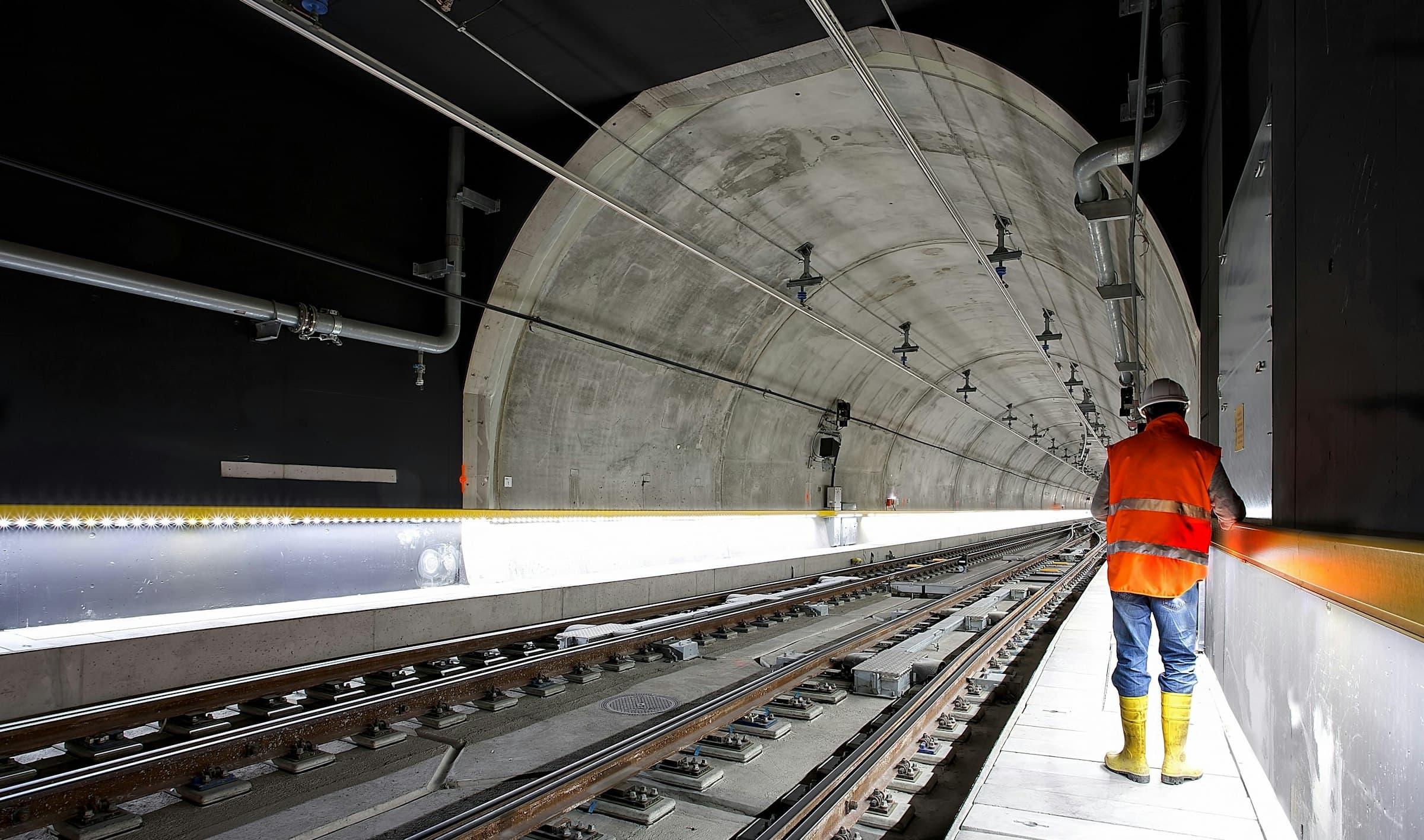
Tunnel-segment + TBM equipment
Tunnel-boring-machine components, precast tunnel segments, shaft equipment, cross-passage steel. Lifts down a shaft or into a portal. Confined-geometry, sequenced into the bore program.
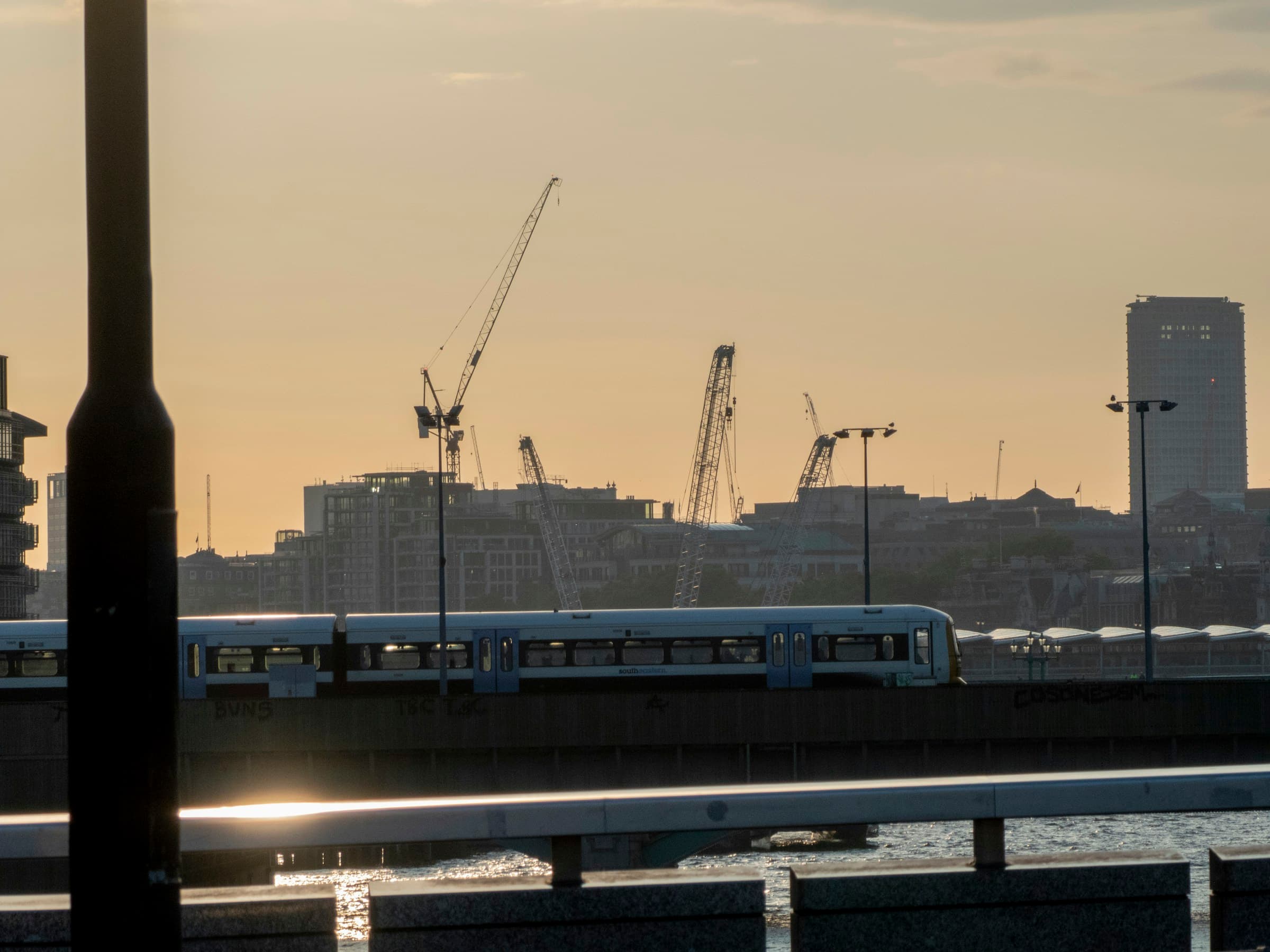
Rail + transit-station lifts
Rail-bridge components, station structural steel + precast, platform + canopy structures, escalator + equipment lifts. Often over or beside live transit — closure-window-bound.
Precast beam, panel + culvert lifts
Precast bridge beams, wall + facade panels, box culverts, retaining elements. Repeat-pick efficiency engineered for the placement campaign ; placement-tolerance set on bearings.
Over-road + night-closure lifts
Lifts executed in a road or rail closure window — usually overnight, coordinated with the authority. The campaign is sequenced so the lift completes and the road reopens inside the window.
Civil Infrastructure in the field
From sector context to the lifts we engineer — a look at where this work happens.



The standards we work to.
The lift is our scope, so the standards we cite are crane + rigging standards. The structural design + the bridge code belong to the engineer-of-record — we engineer getting their structure into place, to the placement tolerance the design requires.
Mobile and locomotive cranes
The mobile crane safety standard — load charts, capacity, setup, operation. Cited on every civil-infrastructure lift plan as the methodology baseline.
Mobile crane safety + Quebec lift-plan code
The Canadian mobile crane standard ; in Quebec, Norme Z150 is the provincial lift-plan code. Cited on every engagement in its jurisdiction.
Slings
Governs sling selection, rating, and inspection — wire-rope, chain, synthetic. Cited on the rigging spec of every lift, each leg sized against the load + safety factor.
Rigging hardware
Governs shackles, links, rings, and connecting hardware. Cited on the rigging assembly — every component rated to the load it carries, including girder-lift attachments.
Canadian Highway Bridge Design Code
CSA S6 governs the bridge we set onto — we don't author it, we consume the design loads + bearing details as the placement target for the girder + segment lifts.
Operator qualification + manufacturer charts
CSA Z150.3 qualifies the operator ; the manufacturer load chart is the authoritative capacity source. Both referenced — the right ticket runs the pick, every capacity figure traces to the chart.
Four capability lines. One civil-infrastructure engagement.
Maxor's four service pillars all show up on a civil-infrastructure lift. Here's how each one earns its place — over the public realm.
Sealed plans + emergency response
Girder + segment + structural lifts, single-crane to multi-crane tandem, set to placement tolerance in a closure window. Same-day emergency tier when a lift conflict threatens a traffic-window reopen. Capacity utilization per pick ; Z150 / B30.5 cited inline.
Distribution + training + implementation
Bridge-girder erection, confined-urban swings, and over-traffic lifts modeled in CRANEbee before the crane sets up. Swing arc + traffic-envelope clearance drawn against actual site geometry. We distribute, train, and implement the platform on Canadian infrastructure projects.
Distribution + advisory + training
Dyneema® synthetic chains for girder + precast handling — non-marking on finished concrete + architectural surfaces, lighter for the crew in a tight closure window, non-conductive near transit catenary + energized rail. Authorized Quebec distribution.
Deterministic engineering platform
The Maxor software line (Heisen, TensorYard, HullSmith Firewall) provides the audit-grade evidence substrate behind the sealed lift plans — recallable lift records, closure-window-campaign provenance, sovereign deployment.
Beyond the four pillars — software built for your operation.
The four service pillars cover the lift. But most infrastructure contractors carry a software gap the off-the-shelf vendors never close. We build it — custom applications, integrations, and managed services, same engineering posture, same team from kickoff to go-live, sovereign by default. Engineered in Canada, owned by you.
Heisen — our deterministic intelligence layer — is optional on any build: embed it or not, your call. Either way it plugs into a fresh custom app or your existing third-party software via API.
Erection-sequencing + closure-window planning
Sequences girder + segment erection against crane availability, closure windows, and the construction schedule — so the lifts complete and the road or rail reopens inside the window.
Lift-plan + placement registry
A registry of every sealed lift tied to the structure + placement tolerance — recallable for repeat spans + sister structures instead of re-engineered, the lift history auditable for the owner.
Progress + public-coordination dashboard
Tracks erection progress against the build + closure schedule and coordinates the authority + public-notice timeline — so the next lift is ready when the closure is granted.
Civil Infrastructure, answered
Yes — Maxor engineers sealed lift plans for bridges, highways, transit, and heavy civil works, from girder and segment placements to precast erection over live traffic. Every plan is peer-reviewed before issue.
Maxor works to ASME B30.5, CSA Z150, ASME B30.9 / B30.26, and CSA S6 (the Canadian Highway Bridge Design Code), cross-checked against load charts. Every plan is peer-reviewed by a second engineer.
Yes — Maxor plans bridge girder and segment placements where clearance over live traffic, span geometry, and ground bearing are the binding constraints, using CRANEbee 3D clash detection and real-time ground-pressure analysis.
Scope your civil-infrastructure lift.
Tell us the structure, the crossing, and the closure window. A senior lead responds within one business day with a scoped lift engagement and a path to first deliverable.